Serving Palm Beach County

Available 24/7 - Give us a call 561 968 0000

Author: Nasli

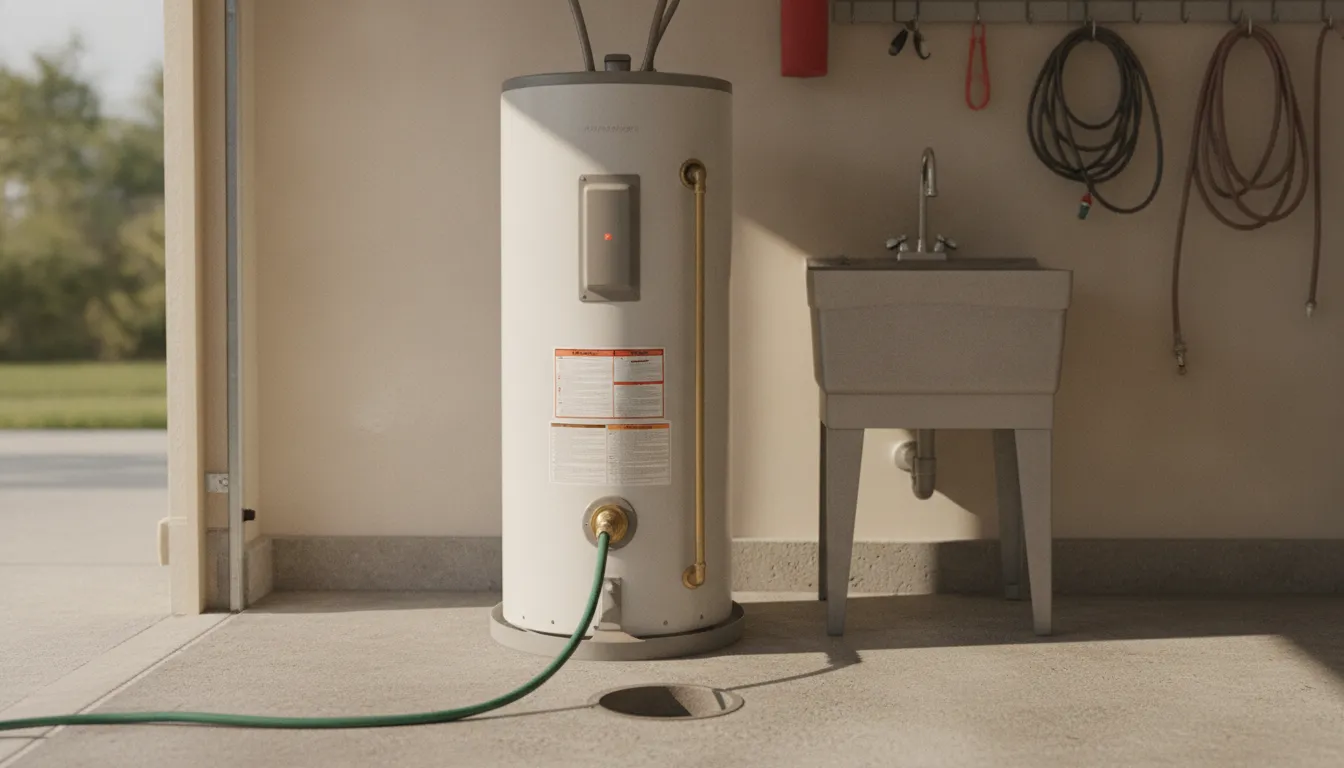
Garden hose attached to the drain valve of a residential tank water heater

How Long Does It Take to Repipe a House?

If you manage a medical or dental office and you searched how long does it take to repipe a house, the house answer will not plan your week. A clinic stays open around patients, sterilization, and shared risers. The useful question is which suites lose water, for how long, and what the written scope says will be finished before water returns. Commercial plumbing in Boca Raton is the service path for that building-level assessment. A house timeline is a different job.

Call (561) 968-0000 to discuss an office plumbing assessment

How long does it take to repipe a house if you run a clinic?

A single-family repipe is usually one household, one water service, and one set of fixtures. A medical or dental suite may share a riser, a water heater, or a shutoff with neighbors in the same building. Closing one exam room does not mean the rest of the floor still has water.

Published house ranges, often described as a day or several days, come from residential jobs with different access and occupancy. They are not a bid for your office. Hardenburgh Plumbing does not publish a standard completion time, a same-day promise, or a company-wide warranty. The schedule belongs in a written scope after someone has seen the piping, the access, and how the office actually uses water.

Homeowner duration variables, including home size and a day-by-day residential sequence, belong in a separate homeowner article that is still queued. This page does not repeat those ranges. Use it for the questions an office manager should ask before a house number is treated as a clinic plan.

  • Which suites, sterilization areas, and restrooms lose water, and which stay on.
  • Whether the shutoff is the suite, a floor, or the whole building.
  • What has to be moved, covered, or kept sterile while walls or ceilings are open.
  • Who in the building, landlord, or association has to approve access and notices.

Count the planning steps in order before anyone names a start date. A house average skips this sequence.

  1. List every room that uses water during patient hours.
  2. Mark which of those rooms can pause and which cannot.
  3. Find out whether the shutoff is yours alone or shared.
  4. Ask what must be opened to reach the pipe.
  5. Ask which permits apply at this street address.
  6. Ask for the water-off window in hours, by phase.
  7. Ask what “done” includes: tested pipe, closed openings, and water restored.

What to ask about water-off windows

Ask for the water-off window in hours for each phase, not a single project length. A short office might be piped in phases so water returns before the next patient block. A larger building might be sequenced by riser or by wing so the practice is not dark for the whole job. Phasing can make the calendar longer on purpose. The point is predictable outages, not the shortest total.

Write down the answers before you approve work:

  • What time water goes off, and what time the plumber expects it back, on each working day.
  • Which fixtures are included: sinks, toilets, a dental vacuum or water line, an ice maker, or a break-room tap.
  • Whether a temporary water setup is part of the scope or out of scope.
  • What happens if an inspection, an access problem, or a hidden condition pushes the window.
  • How staff and patients will be told, and who sends that notice.

Do not treat a verbal “about a day” as the plan. Ask for the window in the proposal, with the suites named. If the building has more than one tenant, ask whether other occupants share the same shutoff. Their schedule can limit yours even when your suite is small.

Questions about occupied suites and clinical use

An occupied office changes the work more than square footage does. Open ceilings over a waiting room, a procedure room, or a sterilization area are not the same as open drywall in an empty house. Ask which openings are likely, whether they can be done after hours or between sessions, and whether the scope includes closing those openings or only the piping.

Clinical water use is part of the planning conversation, not a reason to invent a medical protocol. Tell the plumber which rooms cannot lose water during patient hours, which equipment is connected to the building supply, and whether a landlord or equipment vendor has to be present. Hardenburgh can inspect the plumbing and explain a repair or a repipe. It does not set infection-control policy for your practice. Follow your own clinical procedures and the equipment maker’s instructions for any device that uses water.

Useful notes to bring to the visit:

  • A simple suite sketch with sinks, toilets, and any plumbed equipment.
  • Hours when the office can be without water, and hours when it cannot.
  • Known leak locations, stains, or prior pipe repairs.
  • The name of the property manager or landlord who controls risers and ceilings.

Access, building rules, and notices

Duration often waits on access, not on how fast pipe can be cut. A locked ceiling, a slab line that cannot be seen, or a riser in another tenant’s space can add days before piping starts. Ask the plumber to separate three clocks: time to get permission and a permit path, time the water is off, and time to close openings and pass inspection.

For a Boca Raton office, confirm who has jurisdiction before anyone promises a start date. The City of Boca Raton and unincorporated Palm Beach County do not use the same counter. Palm Beach County’s Building Division permit center handles permit applications for the unincorporated area and points applicants to its ePZB portal, as described by the Palm Beach County permit center. If your suite is inside the city, ask the city building division what it requires. Do not assume a county form covers a city address.

Also ask:

  • Whether the proposal is a repair of a section or a broader replacement, and what will be left in place.
  • Which pipe material is proposed, and why it fits this building. PEX and copper are both discussed on real jobs. The choice is project-specific.
  • What the landlord must approve in writing, including ceiling access and after-hours work.
  • What notice tenants or patients should receive, and how far ahead.

Polybutylene, if it is present, is a condition to identify on site. It is not, by itself, a promise that an insurer will require replacement or change a premium. Those questions go to that building’s insurer. Identification and a written replacement scope for Boca Raton polybutylene are already covered at planning a polybutylene repipe in Boca Raton.

What a written scope should say before you book

Ask for a scope you can hand to a landlord or office manager. It should name the areas, the water-off windows, the material, the access, and what is not included. Restoration, patching, painting, and moving clinical equipment are easy to assume and easy to leave out. If they are not listed, ask.

Florida law describes a plumbing contractor as a contractor who may install, maintain, repair, alter, or extend plumbing, including water supply systems, under section 489.105 of the Florida Statutes. That definition is not a promise that every person on a crew holds the same license. Ted G. Hardenburgh is an active Florida Certified Plumbing Contractor, license CFC048265, associated with Hardenburgh Plumbing, Inc. Confirm the license on the state lookup if your landlord asks for it.

Before you approve, the scope should answer:

  • The suites and fixtures in this phase, and the suites left for later.
  • The expected water-off window each day, and whether water is restored at the end of the day.
  • Permit and inspection steps the plumber will handle, and any step the owner must file.
  • How hidden conditions will be priced and how they can change the window.
  • What “done” means: piping tested, openings closed or left for others, and water back on.

Upfront pricing at Hardenburgh means the technician explains the work and gets approval before starting. It is not a published rate, a trip fee, or a financing offer. There is no charge to come out for an estimate, and some estimates can be done by video. That visit is not a free whole-office diagnostic, and it is not a confirmed appointment until you have spoken with the office.

How this differs from a home repipe plan

Keep the two conversations separate so the wrong timeline does not land on the schedule.

  • Who is there: House plan: one household. Office plan: patients and staff.
  • Shutoff: House plan: usually one service. Office plan: it may be shared.
  • Must stay on: House plan: kitchen and baths. Office plan: named clinical rooms.
  • Who approves: House plan: the homeowner. Office plan: often the landlord.
  • Duration source: House plan: the homeowner article. Office plan: a written water-off window.

Who is in the building

A household can often pause for a work day. Patients and staff may need water back before the next session.

Where the shutoff sits

A house usually has one water service. An office may share a valve with other tenants, so their hours can limit yours.

What must stay in service

A home plan thinks about kitchens and baths. An office plan has to name clinical rooms and any equipment connected to the building supply.

Who approves access

A homeowner can decide. An office often needs a landlord, a property manager, or an association before a ceiling or a riser can be opened.

Where the duration answer belongs

House variables stay in the queued homeowner article. This page asks for written water-off windows after someone has looked at the suite.

  • Occupancy. A house can often pause for a day. A clinic may need water back before the next session, or it may need after-hours work.
  • Shutoff. A house usually has one service. An office may share a valve with other tenants.
  • What must stay in service. Sterilization, procedure rooms, and plumbed clinical equipment need to be named. A home repipe plan does not list them.
  • Who approves access. A homeowner decides. An office often needs a landlord, a property manager, or an association.
  • Where the duration answer lives. House variables stay on the homeowner article. This page is the list of office questions to settle first.

The live service page for business plumbing in Boca Raton covers restaurants, offices, retail, backflow, grease traps, and water heaters. It does not spell out a repipe duration. Use it to reach the commercial crew, then use the questions above so the visit starts with your water-off limits instead of a house average.

Weekend visits are not something to advertise as automatic. Emergency plumbing and a booked visit are different. Ask what can be scheduled around your hours rather than assuming a Saturday crew.

Questions to bring to the call

A short list is enough. You do not need a construction background to ask it.

  • Can you see the piping that serves this suite, or is part of it concealed in a slab or another tenant’s space?
  • Is the recommendation a local repair or a larger replacement, and what would be left in place?
  • Which rooms lose water, for which hours, on which days?
  • Will water be restored at the end of each work window?
  • What has to be open, and who closes it?
  • What permits or inspections apply at this address, and who files them?
  • What will the written scope and the price approval include before work starts?

If the answer to the first question is “we have not seen it,” there is no reliable duration yet. That is the point of the assessment. The free offer is a pipe-type and repipe-needs inspection, not a promise that replacement will be recommended.

Frequently asked questions

How long does it take to repipe a house if the building is a medical office?

A house timeline does not transfer. Ask which suites lose water and for how many hours each day. The calendar depends on access, shared shutoffs, inspections, and whether the office has to stay in use. Get that in a written scope after the piping has been seen.

Can the office stay open during the work?

Sometimes, if the work can be phased and water returns on a schedule the practice can live with. Ask for that schedule in writing. Do not assume every room can stay in service, and do not assume the building must close. The visit has to sort out which is true here.

Does a repipe include patching and painting?

Only if the scope says so. Ask whether openings will be closed by the plumber, by another trade, or left open. Restoration is a common gap between a piping price and a room that is ready for patients.

Will insurance require the office to repipe?

Not as a rule you can take from a plumbing article. An insurer decides from the policy and the building. Ask the plumber for inspection notes and a written scope, then ask the insurer what it needs. Do not treat a contractor’s observation as a coverage decision.

Who should I call for a Boca Raton office?

Start with commercial plumbing services in Boca Raton or call (561) 968-0000. The Boca Raton and West Palm Beach addresses on the contact page are not walk-in storefronts. Use the phone or the contact form to request the assessment.

Call (561) 968-0000 to request an office pipe assessment

Bring your hours, the rooms that cannot lose water, and the landlord’s access rules. Hardenburgh Plumbing can explain whether a repair or a repipe fits what is actually in the building, and what the water-off window would be, before you put a house timeline on the office calendar.

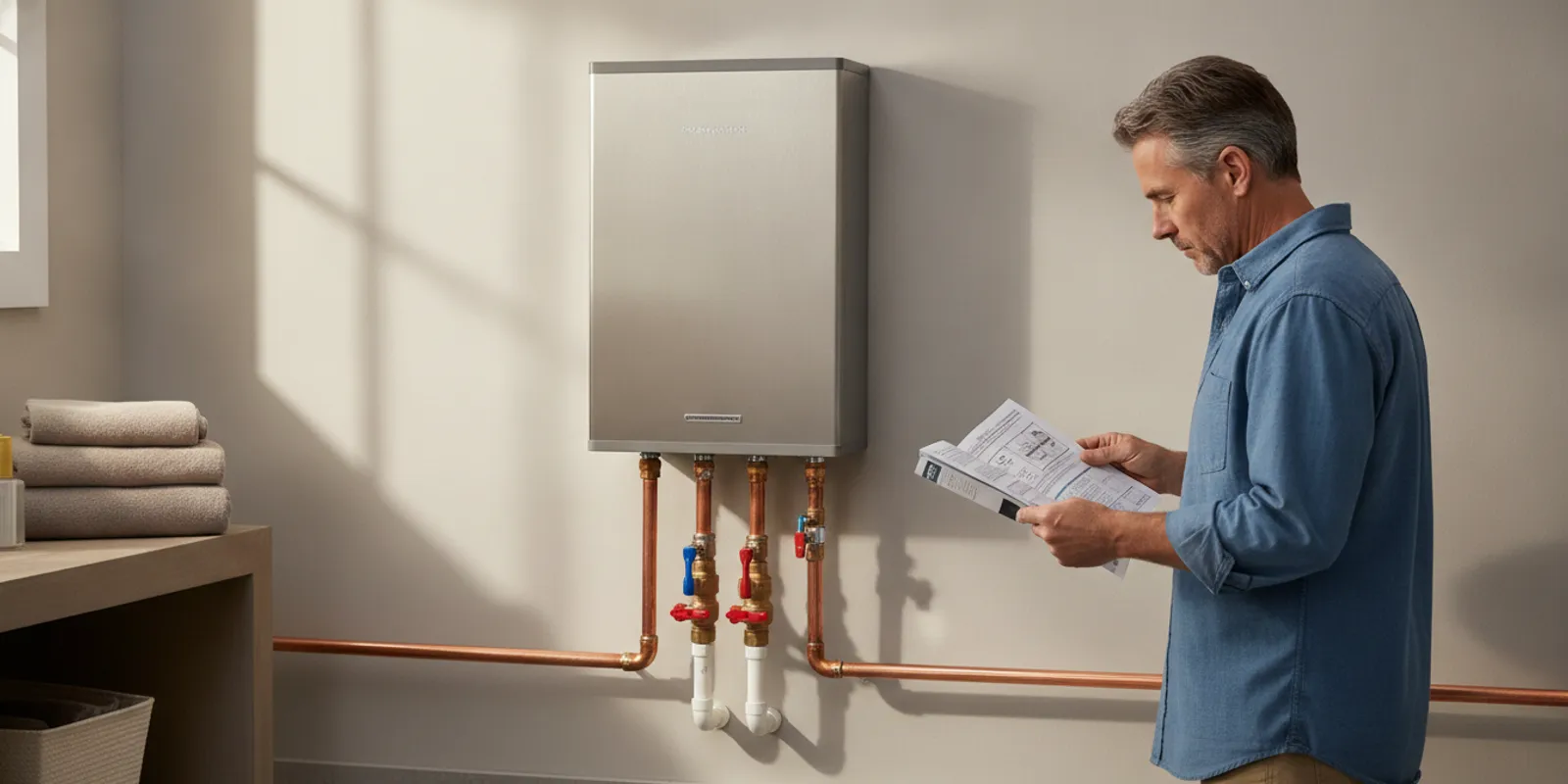
Illustration of tree roots growing through a sewer line

How Often Should Sewer Lines Be Cleaned?

How often should sewer lines be cleaned? There is no single interval that fits every home or business. Cleaning frequency depends on the pipe’s material and condition, tree roots, how the line is used, past backups, and what an inspection finds. A clear line with no symptoms may not need routine cleaning. A recurring blockage, on the other hand, calls for finding the cause instead of simply repeating the same service on a calendar.

Call to discuss a sewer line concern

What determines how often a sewer line needs attention?

A building’s sewer line carries wastewater away from the plumbing system. The conditions inside that line are not identical from one property to another, so a schedule copied from a neighbor or a general online recommendation may not fit. A plumber can consider the line’s observed condition alongside the property’s history and current symptoms.

  • Pipe material and condition: The material can help frame what to look for, but it does not establish an interval by itself. A line with visible damage, separated joints, rough areas, or a change in alignment may collect material differently from an intact line. Inspection findings are more useful than age or material alone.
  • Tree roots and nearby landscaping: Roots can enter at openings or joints and obstruct flow. Where roots have appeared before, the location and extent matter. Repeated cleaning may clear the immediate obstruction without resolving the opening that allowed it in.
  • Use and layout: A line serving a busy commercial property may see different use from one serving a small household. The length of a line, its bends, and the plumbing connected to it can also affect where debris catches. Use is one part of the picture, not a stand-alone schedule.
  • Past clogs and backups: A one-time event and a pattern of recurring trouble are different signals. Record whether symptoms returned, how soon they returned, and which fixtures were affected. That history helps a plumber decide whether cleaning, inspection, or another step is appropriate.
  • Inspection findings: A camera inspection can help locate a blockage and show visible conditions in an accessible line. The observations can inform whether to clean now, monitor a condition, or discuss a different approach.

What information helps make the timing decision?

Before a service visit, gather details that separate a one-off drain issue from a recurring sewer concern. Write down when the symptoms began, whether they affected one fixture or several, and what was happening just before the problem appeared. Mention any previous cleaning or inspection and whether it helped, even if the improvement lasted only briefly. If you manage a commercial property, note which areas or plumbing groups were affected and whether the issue is limited to one tenant space or appears elsewhere.

These details do not diagnose the line, but they help make the assessment more targeted. A slow sink after one use is different from repeated backups involving multiple fixtures. A blockage that returns in the same way after cleaning deserves a different conversation from a problem that has not returned. If an inspection report or prior service notes are available, share them rather than relying on memory. Ask the plumber to connect each recommendation to a symptom, observed condition, or documented history.

Also be clear about your goal. You may be trying to restore flow during an active backup, understand why a recurring issue returns, or decide whether any preventive work is warranted. Those are different decisions. Describing the immediate concern and the longer-term question separately can help you understand which work is proposed now and what would be optional follow-up.

Should you clean a sewer line on a fixed schedule?

Not automatically. A universal annual or multi-year recommendation leaves out the line’s condition and the property’s history. If drains work normally and there is no known issue, a calendar reminder alone may not be a reason to perform cleaning. If an inspection has identified roots or recurring buildup, the plumber can explain whether monitoring or planned maintenance makes sense for that specific condition.

It can help to keep a short maintenance record. Note the date of a backup, the fixtures involved, any unusual signs, the service performed, and what the technician observed. If a problem returns, this timeline is more useful than a vague recollection that “it happened a while ago.” It also helps distinguish a local fixture clog from a problem that may involve the main sewer line.

For example, a homeowner who had one slow bathroom sink and no other symptoms may need a local drain assessment, not a standing sewer-cleaning plan. A property with several affected fixtures and a previous camera finding may need a closer look at the same part of the line. The right response to those two histories is not necessarily the same number of months between cleanings.

What warning signs should you watch for?

A single slow sink or shower may have a localized drain obstruction rather than a main sewer issue. More than one affected fixture, recurring backups, or wastewater appearing where it should not be are stronger reasons to seek prompt assessment. These symptoms do not prove a particular cause, but they are useful information to share when asking for help.

  • Several drains slow down or back up around the same time.
  • A toilet bubbles or its water level changes when a nearby fixture drains.
  • A drain clears temporarily but the problem returns soon afterward.
  • Wastewater backs up into a tub, shower, floor drain, or another low fixture.
  • More than one area of the property is affected, especially when symptoms occur together.

When wastewater is backing up, avoid adding more water to the affected part of the system until you have advice. Do not treat repeated symptoms as a reason to keep using chemicals or to schedule the same cleaning without asking what may be causing them. If the issue seems confined to one sink, tub, or shower, drain cleaning service may be the relevant starting point. Several affected fixtures or a recurring main-line concern may call for a sewer-focused assessment.

How can an inspection help set cleaning timing?

A sewer camera inspection provides visual information about the inside of an accessible line. It can help identify the location of an obstruction and show visible conditions such as roots or damage. It is a way to replace some guesswork with observations; what it can show depends on access and the condition of the line at the time of inspection.

Ask the plumber to explain what the camera showed in plain language. Useful questions include: Where is the problem? What does it appear to be? Is the line otherwise clear? Does the finding point to cleaning, follow-up monitoring, or a repair discussion? If cleaning is recommended, ask what material is being addressed and whether the suspected cause may return. A sewer camera inspection can help focus that conversation when symptoms recur or the cause is unclear.

An inspection can also change what happens next. If the line appears clear and there is no evidence of a recurring problem, there may be no reason to clean it at that visit. If an obstruction is visible and cleaning is suitable, the plumber can explain the proposed method. If a defect appears to contribute to repeated trouble, clearing the line may be only one part of the discussion. Ask what was observed and what each proposed step is intended to address.

Is hydro jetting appropriate for every sewer line?

No cleaning method suits every pipe or obstruction. Hydro jetting uses pressurized water to remove material from a pipe. Whether it is suitable depends on the pipe’s condition and the nature of the blockage. A professional assessment should come before the method is recommended. A more intensive cleaning is not automatically a better choice for every line.

Before approving hydro jetting, ask what the assessment found, why the method fits the line, and what the work includes. The company describes assessing suitability and approving the price before work begins. A quote should be specific to the property and proposed work; there is no single price or cleaning interval that applies to every sewer line.

It is also useful to ask how the result will be evaluated. Will the technician describe what was removed? Is another inspection appropriate based on the symptoms or line condition? What would count as a reason to follow up? These questions set realistic expectations. Cleaning can remove an obstruction, but it does not repair a damaged section or guarantee that material will never build up again.

How do cleaning and inspection options compare?

Cleaning and inspection answer different questions. Cleaning aims to clear material from a line. Inspection helps locate and evaluate a condition. Repair may be worth discussing when an observed defect appears to contribute to recurring trouble. The options below are not a diagnosis; they can help organize questions for the plumber.

Option: Localized drain cleaning

When it may fit: Symptoms appear limited to one fixture or branch drain.

What to clarify: Whether the symptoms point to that fixture or a larger line.

Option: Sewer line cleaning

When it may fit: An obstruction in the sewer line is identified and cleaning is suitable.

What to clarify: What material is being cleared and whether an underlying cause may remain.

Option: Hydro jetting

When it may fit: Assessment indicates the pipe can tolerate the method and it fits the obstruction.

What to clarify: How suitability was assessed and what the quote includes.

Option: Camera inspection

When it may fit: The cause or location is unclear, symptoms recur, or visible conditions need evaluation.

What to clarify: What the camera showed, where, and what it can or cannot establish.

Option: Repair discussion

When it may fit: An observed defect may be contributing to repeated trouble.

What to clarify: What condition is being addressed and whether cleaning alone would be incomplete.

What should you ask before approving sewer work?

A clear explanation makes it easier to decide whether the recommendation matches the evidence. These questions can keep the conversation focused on your property rather than a generic schedule:

  • Do the symptoms point to a fixture drain, branch line, or main sewer line?
  • What evidence supports the recommended service?
  • What did an inspection show, and where is the issue located?
  • Is the pipe suitable for the proposed cleaning method?
  • Could a visible defect or recurring condition explain why the symptoms return?
  • What exactly is included in the quote, and what would require separate approval?
  • What changes or warning signs should prompt a follow-up call?

For general background on water and wastewater topics, the U.S. Environmental Protection Agency is a government resource. Property-specific decisions about a sewer line still depend on its condition and a plumbing assessment.

How might a cleaning decision work in practice?

Consider three different situations. In the first, a home has no symptoms, no known history of backups, and no inspection finding that points to an obstruction. The practical question is whether there is evidence supporting preventive cleaning at all. A scheduled service should not be treated as automatically necessary just because a certain number of months has passed.

In the second situation, two fixtures back up at once and the problem has happened more than once. Record the affected fixtures and timing, and explain whether the issue cleared and then returned. A plumber can assess whether a shared drain or the sewer line is involved. Depending on access and findings, camera inspection may help locate the cause before deciding on a cleaning method.

In the third situation, a previous inspection identified roots at a particular section, and symptoms have returned. The previous findings and work record give the plumber a starting point. Ask whether the current recommendation addresses the roots, whether the pipe condition changes which cleaning methods are suitable, and whether a repair discussion is warranted. A calendar interval may be part of a maintenance conversation, but it cannot replace reassessment of a recurring condition.

These examples do not set a universal schedule. They show why the same interval can be unnecessary for one property and insufficient for another. The goal is to match the next step to observed conditions, symptoms, and the history of the line.

Contact Hardenburgh Plumbing about sewer service

Frequently asked questions

How often should sewer lines be cleaned if there are no problems?

There is no required interval for every property. If there are no symptoms, the line’s condition and any inspection history can help determine whether routine cleaning is warranted. A calendar reminder alone does not establish that work is needed.

Does a slow drain mean the sewer line needs cleaning?

Not necessarily. One slow fixture may have a local drain obstruction. Several affected fixtures, recurring backups, or wastewater at a low drain are reasons to seek an assessment, but symptoms alone do not identify the cause.

Can hydro jetting prevent future clogs?

Cleaning may remove material, but it cannot guarantee that another obstruction will not form or repair a damaged pipe. A professional should assess whether the specific line is suitable for the method and explain what the work is intended to address.

When should I ask about a camera inspection?

Ask whether inspection may help when symptoms recur, more than one fixture is affected, the blockage location is unclear, or prior work has not resolved the issue. The plumber can explain whether the line is accessible and what the inspection can show.

The most useful cleaning schedule is the one guided by the property’s symptoms and the sewer line’s actual condition, not by a calendar alone.

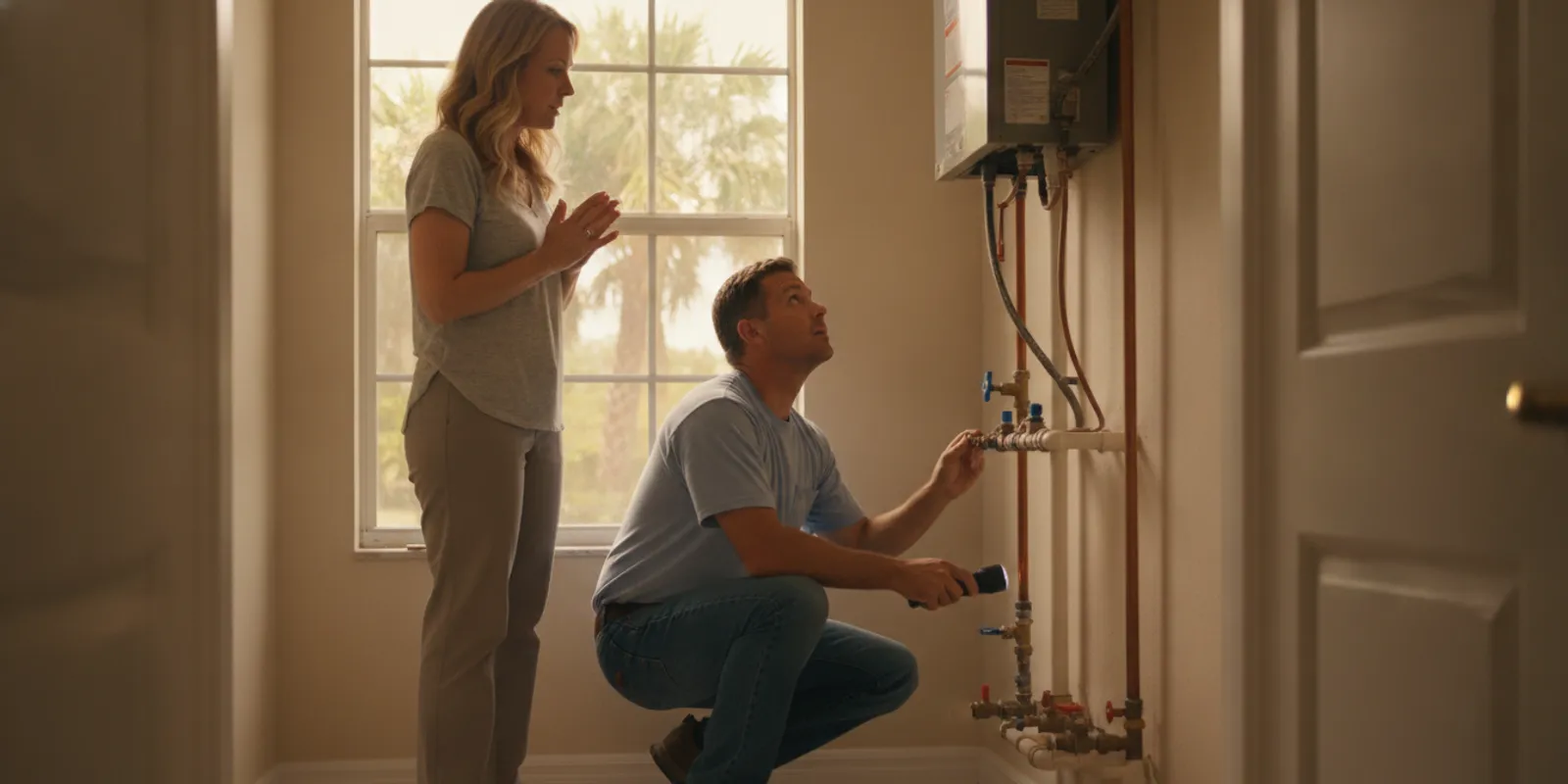
Homeowner checking the service connections on a wall-mounted tankless water heater

Water Heater Repair in West Palm Beach: When to Call

When you search for water heater repair west palm beach, start by noting what changed, where the problem appears, and whether there is any immediate safety concern. A leak, fluctuating temperature, unusual sound, or loss of hot water can have different causes. One symptom alone does not establish whether a repair or replacement is needed.

Call Hardenburgh Plumbing about your water heater

What water-heater symptoms should you pay attention to?

A useful description is specific rather than diagnostic. You do not need to identify a failed part. Record what you notice, when it happens, and whether it affects the whole property or just one fixture. Those details help a plumber understand what to assess.

  • Little or no hot water: Note whether the hot water stopped altogether or is simply not lasting as long as usual. Check whether the issue affects multiple sinks, showers, or other fixtures, without opening or adjusting the heater.
  • Temperature that changes: Describe whether water starts warm and cools, changes between uses, or varies while a fixture is running. If the issue occurs only at one faucet or shower, mention that distinction.
  • Water near the unit: A wet floor, drip, or puddle deserves attention. If you can observe safely, note where water appears to be coming from, but do not touch a hot leak, remove a panel, or reach around wet electrical equipment.
  • Unfamiliar sounds: Write down whether you hear a brief or repeated sound and when it occurs. Do not open the heater or try to investigate internal parts.
  • Visible damage: From a safe distance, note corrosion, a damaged-looking connection, or a display message. Do not remove covers or handle wiring, fuel lines, or hot components.

Not every hot-water complaint comes from the heater itself. If one fixture is affected while others work normally, say so. The source could be elsewhere in the plumbing or at that fixture, and an assessment is needed to distinguish possibilities. Avoid replacing parts based on a symptom list or a generic online recommendation.

What should you do if there is a leak or possible safety hazard?

Put people’s safety ahead of troubleshooting. Keep away from hot water and from any water near electrical equipment. Do not touch a wet heater, move electrical cords, remove covers, or try to reach a shutoff or control if doing so would put you in contact with water or the appliance.

If you suspect a gas leak, leave the area. Do not operate switches, use a flame, or try to relight the equipment. From a safe location, contact the gas utility or emergency services as appropriate. If water is spreading quickly or creating an immediate hazard, keep people away and seek appropriate urgent help. When you call a plumber, describe the observed condition and any steps already taken; do not attempt work on gas, electrical, or pressurized components.

When there is no immediate danger, a few observations can be useful. Take a photo from a safe distance if it helps show the location of a drip, and note when you first saw it. Do not delay getting help to collect details. If conditions worsen, communicate that change when contacting a service professional.

What can you safely check before contacting a plumber?

Keep pre-call checks visual and simple. You can look at the heater from a safe distance, see whether the issue affects one fixture or several, and note whether the equipment is a tank or tankless model if you already know. If an accessible label is easy to read without moving or opening anything, record the make and model. Do not guess at the unit’s age when you are unsure.

If a display or indicator is visible without removing a cover, write down the exact message or take a photograph. Avoid interpreting a code as a diagnosis. A code can be helpful information for the person assessing the equipment, but it does not by itself tell you which repair is appropriate.

It can also help to prepare a short timeline: when the problem began, whether it is constant or intermittent, and what has changed since then. For a household, note whether more than one person noticed the same issue. For a business, explain which part of the operation depends on hot water and whether the interruption affects a single fixture or a wider area. These are observations, not a substitute for an on-site evaluation.

Do not take apart the unit, bypass a safety control, or work on electrical or gas components. Avoid trying an internet repair involving hot water, pressure, electricity, or fuel. For information on tank and tankless service, see Hardenburgh Plumbing’s water-heater installation and repair services page, then confirm that the work you need can be addressed at your property.

How does a water-heater repair assessment work?

A useful assessment begins with your description and the type of equipment installed. The plumber can ask when the symptom occurs, inspect relevant accessible components, and decide whether further diagnostic work is appropriate. Tank and tankless heaters have different designs, so identifying which kind is present helps frame the conversation. If you do not know the type, simply say so.

The assessment should separate what has been confirmed from what remains a possibility. For example, a visible drip may be confirmed, while its source may still need to be identified. A hot-water interruption may be clear, but a conversation about repair should explain what the inspection found and what proposed work is intended to address. Ask for a plain-language explanation before approving the job.

Florida homeowners who want to check a contractor’s licensing information can use the Florida Department of Business and Professional Regulation website. Hardenburgh Plumbing is a family-owned residential and commercial plumbing contractor serving Palm Beach County and South Florida. Contact the company to discuss the specific equipment and confirm the appropriate service path.

Before work starts, ask what the quoted price covers. Upfront pricing means the technician explains the work and gets approval before starting; the price applies to the specific job, not to every heater or household. Clarify whether the proposed scope includes parts, labor, and any additional work identified during the assessment. If a new condition changes the scope, ask for an explanation and updated approval before proceeding.

When should you compare repair and replacement?

There is no single rule that determines the right choice for every water heater. The equipment’s inspected condition, the issue identified, whether an appropriate repair is available, and your household or building’s needs all matter. A repair discussion may make sense when the problem is identified and the proposed work addresses it. It is reasonable to ask about replacement when the assessment identifies broader deterioration or when you want to compare the scope of repairing the existing heater with installing another unit.

Ask the plumber to connect the recommendation to the findings. Is the suggested work meant to address a specific fault, or is additional diagnosis needed? If replacement is proposed, what equipment type and installation work are included? A clear explanation helps you compare the actual options instead of relying on a general age rule or an online price that may not reflect your installation.

Question to compare: What is being considered?

Repair discussion: Work to address a diagnosed issue or component concern.

Replacement discussion: Selection and installation of a new tank or tankless system.

Question to compare: What should the assessment explain?

Repair discussion: What was found, what remains uncertain, and what the proposed work should address.

Replacement discussion: Why replacement is being considered and what installation requirements apply.

Question to compare: What affects the scope?

Repair discussion: The condition of the existing heater and the work needed for the identified problem.

Replacement discussion: Equipment choice, the property’s setup, and the work needed to install the unit.

Question to compare: What should be in the quote?

Repair discussion: The specific approved repair and what its price includes.

Replacement discussion: The proposed equipment and installation work included in the job-specific price.

Question to compare: What should you ask next?

Repair discussion: What result is the repair intended to achieve, and what happens if the symptom continues?

Replacement discussion: Which options suit the property and what, if anything, is outside the quoted scope?

This table is a way to organize a discussion, not a promise that a particular option is suitable or available. Ask for the findings in plain language and keep a copy of the proposed scope. If the recommendation changes after further inspection, ask what new information led to the change before deciding how to proceed.

What should West Palm Beach homeowners and businesses confirm?

When you contact a plumber, share your location, the symptoms, whether the issue affects one fixture or several, and the heater type if known. Ask whether the company can address the requested work at your property and what information is needed to take the next step. Service availability depends on the request and dispatch circumstances; do not assume that every service is available in every area at every hour.

Hardenburgh Plumbing describes tank and tankless water-heater repair, installation, replacement, and maintenance. The company serves residential and commercial customers in Palm Beach County and South Florida. A call is the practical way to confirm whether the specific work can be handled at your location and to discuss timing. The public phone number is (561) 968-0000.

For a commercial property, include the context a technician may need to understand the request. Explain whether hot water serves a restroom, kitchen, customer area, or another operation; whether the interruption is limited to one fixture; and whether there are access or operating constraints. Commercial hot-water systems can have different requirements from a household unit, so provide the information you know rather than assuming the residential repair process applies unchanged.

If you prefer to send details in writing, use the Hardenburgh Plumbing contact form. Include a concise description and a way to reach you. Do not include sensitive information that is not needed to explain the plumbing concern. The company can confirm the next step and whether it can assist with the request.

What questions can help you make a decision?

Before authorizing work, keep the conversation focused on your actual heater. These questions can help clarify the recommendation:

  • What did the assessment confirm, and what is still uncertain?
  • Is the proposed work a repair, replacement, or an additional diagnostic step?
  • Which part of the equipment or installation is the work intended to address?
  • What exactly is included in the quoted price, and will work begin only after I approve it?
  • If repair and replacement are both options, what are the differences in scope for this property?
  • Are there safety precautions I should follow while waiting?
  • What should I do if the symptoms change before the scheduled service discussion?

These questions do not require you to know how the heater works. They help you understand the proposed work, its limits, and what information the recommendation is based on. Save the estimate and any notes about the equipment. If the concern is not resolved, a clear record of the original symptom and approved scope can make the follow-up conversation more specific.

Contact Hardenburgh Plumbing about your water heater

Frequently asked questions

Should I turn off the water heater if it is leaking?

Do not approach a leak if doing so would put you near hot water, wet electrical equipment, or another hazard. Avoid removing a cover or handling controls and connections. If there is an immediate safety risk, leave the area and seek appropriate urgent help. Otherwise, call a plumber and describe where you see water, if you can tell safely.

Can one cold faucet mean the water heater has failed?

Not necessarily. If other fixtures still have hot water, report that difference. A problem affecting one fixture may have a source other than the heater, and an assessment can help identify what to inspect.

Does a repair quote tell me whether replacement is better?

A quote should explain the proposed work and its job-specific price. The broader decision depends on the inspection findings, the condition of the equipment, and your needs. Ask for a comparison of repair and replacement scope when both are being considered.

Does Hardenburgh Plumbing publish a standard water-heater repair price?

No universal rate is stated here. Pricing is specific to the job. Ask what the quoted work includes and approve the work before it begins.

Where can I read about the company’s water-heater services?

Visit the water-heater service page for information about tank and tankless installation, repair, replacement, and maintenance. Confirm the details for your equipment and location when you contact the company.

A clear symptom description and a careful assessment can help you understand whether repair, replacement, or further diagnosis is the appropriate next conversation for your West Palm Beach property.

Illustration of tree roots growing through a sewer line

Does Homeowners Insurance Cover Sewer Line Replacement?

Does homeowners insurance cover sewer line replacement? It may, but the answer depends on the specific policy and the facts of the damage. The reported cause, location of the pipe, exclusions, endorsements, and the insurer’s review can all matter. A plumbing inspection can help describe the condition, but it cannot decide whether the policy pays.

Call to discuss a sewer inspection

What determines whether sewer line replacement is covered?

Start with the declarations page and all endorsements attached to your current policy. A general policy name does not show every limit, exclusion, deductible, or duty after a loss. If the wording is unclear, ask your insurer or agent to identify the exact provision that applies and explain it in plain language. For a Florida insurance question, the Florida Office of Insurance Regulation is the state regulator’s public website; your insurer remains the source for a decision on your claim and policy.

It helps to separate the plumbing event from the different costs that may follow. The damaged pipe, locating the problem, opening a floor or yard to reach it, repair or replacement, damage inside the home, and restoring landscaping may be treated as separate items. Approval for one item does not automatically mean all related work is covered. Ask the insurer to explain its position item by item and identify any records it still needs.

Coverage is specific to the contract and circumstances. Policies may distinguish between a sudden event and a condition that developed over time. They may also treat a line beneath the home differently from a buried section in the yard or a pipe outside the property boundary. Do not assume that a sewer line problem is covered or excluded based only on a neighbor’s experience or a general rule of thumb.

When you call, ask about these areas:

  • Cause: What cause does the insurer understand from the information provided? Does the policy address that cause, and is there an exclusion that may apply?
  • Pipe location: Where is the damaged section—in the home, beneath the yard, or beyond the property boundary? Does location affect the coverage review?
  • Policy language: Which specific terms, exclusions, limits, or deductibles are relevant?
  • Endorsements: Does the policy include optional coverage for a buried service line? If so, what are its scope, limits, conditions, and deductible?
  • Work scope: How will the insurer consider diagnosis, access, a spot repair, replacement, and restoration?

Does the reported cause of the sewer problem matter?

It can. A blockage, a separated connection, a sudden break, root intrusion, or a pipe condition that changed gradually are different observations. The actual cause may be uncertain until the line is inspected, and the observed condition alone may not establish when or why it happened. The policy wording and the insurer’s review determine how those facts relate to coverage.

Be precise when describing what you know. If several drains are backing up, say that. If you saw water or sewage in a particular area, describe where and when. If you have not established the cause, say you do not know yet instead of guessing. Keep your own observations separate from a technician’s findings and from the insurer’s conclusions.

The proposed plumbing work also matters to the conversation. A camera may show one localized concern or a longer section of pipe with visible issues. A spot repair addresses a limited area; replacement covers a larger run. Neither scope should be assumed to qualify for payment just because it is recommended. Ask the plumbing professional to explain what was observed and why the proposal addresses it, then ask the insurer how it will review each part.

What should you document before work begins?

Make a simple, dated record as soon as you notice a problem. Documenting what happened can help you explain the timeline and respond to requests from the insurer. Do not delay urgent steps needed to protect people or limit additional damage. At the same time, contact your insurer promptly and ask whether it wants to inspect or review evidence before permanent work starts.

  1. Record the timeline. Write down when symptoms first appeared, what you noticed, which fixtures or areas were affected, and whether the problem changed.
  2. Photograph visible conditions. Take dated photos or video of an affected area, visible backup, or resulting damage if it is safe to do so. Do not enter a hazardous area to get a picture.
  3. Save inspection information. Keep written findings, camera footage or still images if available, the inspection date, and notes about the part of the line that could be viewed.
  4. Keep proposals and receipts. Ask for estimates that distinguish inspection, locating, access, repair or replacement, and restoration where those items are part of the proposal. Save receipts for work already completed.
  5. Track insurer communications. Record the claim number, dates of calls, the person or department you spoke with, instructions received, and documents submitted.

Before authorizing non-emergency work, ask the insurer if it needs to see the condition or review records first. Ask the plumbing professional which measures are needed to address an active problem and which work can wait for the insurer’s response. Keep these decisions distinct: a plumbing professional assesses the physical condition and possible work; the insurer evaluates coverage under the policy.

If urgent work has already taken place, keep the available evidence. Save photos taken before and during the work, removed pipe sections if practical and appropriate, written findings, and invoices. Ask the insurer what additional documentation it needs. Do not assume that a claim is lost because emergency steps were necessary, and do not assume that documentation guarantees payment.

How can a sewer camera inspection help?

A camera inspection can provide visual information about portions of the line that the equipment can reach under the conditions present during the visit. It may help locate and describe a visible blockage, separation, intrusion, or other concern. It does not necessarily show the full condition of every section, establish when damage began, or prove why it occurred. It also does not determine whether the policy covers the work.

Before the visit, make a short list of symptoms and when they occur. Note whether the issue affects one fixture or several, whether it recurs, and whether prior plumbing work has been done. Share what you observed without suggesting a cause as fact. Ask what access is needed and whether any limitations could affect the view.

After the inspection, keep the report and ask for a clear explanation of what was visible, where it was found, and what could not be assessed. If footage or still images are available, ask how to retain a copy. If further work is recommended, ask whether the next step is additional diagnosis, cleaning, a localized repair, or a broader evaluation. A recommendation should relate to the findings, and you can ask what uncertainties remain.

For more about this assessment option, see video sewer inspection information. The inspection report can help you explain the plumbing condition to the insurer, but it is only one piece of information in the claim review.

Question to resolve: Where is the visible concern, and what did the camera show?

Who may help answer it: Plumbing professional

Useful follow-up: Which section was viewed, and what could not be assessed?

Question to resolve: What plumbing work is being recommended?

Who may help answer it: Plumbing professional

Useful follow-up: Why is the proposed scope appropriate, and is a smaller repair an option?

Question to resolve: Which policy provisions apply?

Who may help answer it: Insurer or insurance agent

Useful follow-up: Which wording, exclusions, limits, or endorsements are relevant?

Question to resolve: What must happen before permanent work?

Who may help answer it: Insurer

Useful follow-up: Do you need to inspect, receive records, or provide instructions first?

Question to resolve: What costs are included in the proposal?

Who may help answer it: Plumbing professional and insurer, for their respective roles

Useful follow-up: Are diagnosis, access, pipe work, and restoration listed separately?

How should you organize the claim conversation?

Give the insurer a concise, factual description: what you noticed, when it began, whether it is ongoing, what areas are affected, and what steps have already been taken. If you have an inspection report, say what it documents rather than drawing conclusions about coverage. The insurer may ask follow-up questions or request an inspection, photographs, invoices, or other material.

During calls, write down the date, contact name or department, claim reference, instructions, and next action. If instructions are given verbally, ask whether they can also be confirmed in writing. When sending records, ask how to submit them and whether copies are sufficient. Keep your originals and a copy of everything you provide.

When you receive a decision, read the explanation alongside your policy documents. If you do not understand the outcome, ask which provision and facts led to it, whether additional information can be considered, and what review options are available through the insurer. A plumber can clarify a pipe condition and proposed work, but should not be asked to decide how the policy applies. For coverage questions, speak with your insurer or a qualified insurance professional.

How can you compare a repair and a full replacement proposal?

Let the plumbing findings guide the scope discussion, not assumptions about what insurance will pay. Ask the professional to identify the affected section and explain why a spot repair or replacement is being proposed. A limited repair may address a single observed defect, while replacement may be considered when findings indicate a broader concern. The right option depends on the line’s condition, access, and assessment. There is no single scope that fits every sewer problem.

Request a written description that makes the proposal understandable. Check whether it identifies the section of line, work to be performed, access or excavation, and any restoration that is included or excluded. If the options differ, ask what each option addresses and what uncertainty remains. Then share the information with the insurer and ask how it wants the estimate presented. Do not treat a contractor’s estimate as confirmation of coverage or an insurer’s review as a plumbing diagnosis.

For service details, review sewer line service information. A plumbing assessment can describe the condition and possible work; it is not a promise of claim coverage or a substitute for policy guidance.

What questions should you ask before approving sewer work?

Before approving non-emergency work, make sure you understand both the plumbing recommendation and the insurer’s current instructions. These questions can help you keep the discussions specific:

  • What exact section of pipe is affected, and what evidence supports that finding?
  • Why is repair or replacement recommended? Is there a reasonable alternative to compare?
  • Does the proposal separate inspection, access, pipe work, and restoration?
  • What records or images should be saved before work changes the condition?
  • What immediate steps are appropriate if there is an active backup or leak?
  • Has the insurer said whether it needs an inspection or documentation before permanent work?

If the insurer and the plumbing professional have different requests, explain the situation to both and ask what can be done safely while you wait for clarification. Do not put off emergency measures that are necessary to protect people or property, but keep a record of what was done and why. When timing is uncertain, ask for the insurer’s guidance directly.

How might the process work in a typical situation?

Imagine that a homeowner notices repeated backups in more than one drain, but does not know whether the cause is a blockage or a damaged section of sewer line. The first useful step is to record when the backups occur and which fixtures are affected, then contact the insurer to ask how to report the problem and whether it wants to inspect before permanent work. If the homeowner arranges an inspection, the report can document the accessible route and any visible concern. It should not claim certainty about timing or cause unless the findings support that conclusion.

Suppose the inspection points to a localized concern and the plumbing professional provides a proposal for both a spot repair and a larger replacement. The homeowner can ask what each option addresses, what additional parts of the line remain uncertain, and whether the estimate separates access and restoration. Those details help compare the plumbing scopes. The homeowner can then give the insurer the inspection information and both estimates, and ask how the policy applies to the reported facts and individual costs. The insurer may request more information or make its own inspection; the homeowner should follow the insurer’s instructions while keeping copies of all communications.

This example does not predict the result of a claim. It shows how a clear timeline, specific findings, and itemized proposals can keep three questions from being confused: what is wrong with the pipe, what work may address it, and what the particular policy covers. Even if the plumbing recommendation seems straightforward, the claim decision remains with the insurer. If work cannot wait, document the condition and actions taken, and ask the insurer how to proceed as soon as practical.

Frequently asked questions

Will insurance pay to replace a sewer line that has deteriorated?

It depends on the wording of the policy, exclusions, endorsements, cause and circumstances, and the insurer’s review. Ask the insurer to identify the provisions it is applying to your specific claim.

Does a camera inspection prove that the claim is covered?

No. It may document visible pipe conditions and help locate a concern, but the insurer decides coverage by reviewing the policy and claim information.

Should I call my insurer before arranging an inspection?

Contact the insurer promptly to learn what steps and records it requires. You can also ask a plumbing professional about evaluating the line. If the condition is urgent, ask the insurer how to document the situation while taking appropriate steps to protect people and property.

Should I replace the whole sewer line if one part is damaged?

Not necessarily. The appropriate scope depends on the inspection findings, condition of the line, access, and professional assessment. Ask why a spot repair or broader replacement is recommended before approving the work.

Call to ask about a sewer camera inspection

Keep the insurer’s coverage decision separate from the plumbing diagnosis, and use clear records to support both conversations.

how to identify polybutylene pipes

Plumber in Boynton Beach: Residential and Commercial Help

If you are looking for a plumber Boynton Beach homeowners and business operators can contact, begin by describing the symptoms and asking which inspection or service fits. Hardenburgh Plumbing is a family-owned residential and commercial plumbing contractor serving Palm Beach County and South Florida since 1989, known as Home of the Repipe Plumbers. Its stated services include plumbing repair and installation, drain cleaning and hydro jetting, sewer camera inspection and repair, water heaters, leak detection, repiping, pump work, and selected commercial plumbing needs.

Call Hardenburgh Plumbing at (561) 968-0000

What plumbing problems can Boynton Beach property owners ask about?

The right next step depends on what is happening, where it is happening, and whether it is getting worse. A dripping fixture differs from water spreading across a floor, several drains backing up, or a business losing hot water. Describe what you can see and hear rather than deciding in advance which repair is necessary.

At home, note which fixtures are affected, when the problem began, whether it is intermittent, and whether moisture or damage is visible. For a business, also note the affected work areas, operating hours, impact on customers or staff, and whether a shared system may be involved. Do not enter a flooded or otherwise unsafe area to collect details.

  • Leaks or wet areas: Ask about leak detection and repair. Visible water may not reveal the source, especially if it has traveled through a wall or floor.
  • Slow or blocked drains: Explain whether one fixture or several are affected and whether the problem recurs. Drain cleaning or a closer sewer-line assessment may be discussed depending on the findings.
  • No hot water: Share whether the unit is tank or tankless, if known, and whether the issue affects the whole property or one fixture.
  • Pipe concerns: Mention known polybutylene or other older piping. An inspection can help identify the material and establish whether repair or repiping should be discussed.
  • Commercial needs: Explain the property use and ask about relevant plumbing repair, commercial hot water, backflow testing, or grease-trap work.

These are starting points for a conversation, not diagnoses. Ask what an inspection found and how that supports the recommended work.

Which residential plumbing services might fit?

Hardenburgh Plumbing lists general plumbing repair and installation, leak detection, drain cleaning, sewer camera inspection, water-heater repair or installation, pump work, and repiping. A focused repair may suit one problem; a recurring issue or one affecting several parts of a system may call for a broader evaluation. The method should follow the property’s condition, not just the symptom label.

Leaks and slab concerns

When you find moisture, note its location and whether it is active, intermittent, or associated with a fixture being used. Water can travel from its source, so the wet spot may not identify the pipe or fitting involved. Avoid assumptions based only on where water appears. A plumber can assess the area and discuss leak detection and repair options based on the findings. Learn more about water leak detection services and slab leak detection.

If water is actively escaping, prioritize safety and limit further damage only where safe. If you can reach the property’s shutoff without entering a hazardous area, ask whether turning it off is appropriate. Tell the plumber whether water is still running and whether you shut off the supply.

Drain and sewer concerns

A slow sink or shower can differ from a recurring backup involving multiple fixtures. The company lists drain cleaning and hydro jetting, but the suitable method depends on the line’s condition. A camera inspection can help examine a sewer line when a closer look is warranted. Ask what the inspection can establish, what it cannot, and why the proposed cleaning or repair fits the pipe.

Before the visit, list which drains are affected and whether the issue comes and goes. Mention previous work or repeat backups. Ask whether an inspection is recommended before cleaning or repair and how its findings would guide the next step. See the company’s drain cleaning information for related service details.

Water heaters and pumps

Hardenburgh Plumbing lists tank and tankless water-heater installation, repair, replacement, and maintenance. Share the type and model if you can read it safely, whether hot water is absent or inconsistent, and whether there are visible leaks or unusual sounds. Do not remove covers or attempt gas, electrical, or plumbing repairs yourself. A professional can assess the appliance and explain suitable options. More information is available on the company’s water-heater service page.

Pump installation and repair are also among the company’s stated services. If a pump is involved, describe the property, what the pump serves if known, and what has changed. Confirm that the particular need and address are within the service scope before planning around a visit.

How can a pipe inspection guide a repair or repipe?

Repiping is a substantial decision, so begin by understanding the existing pipe material and condition. Hardenburgh Plumbing describes a free inspection to identify pipe type and assess repipe needs. This is specifically a pipe-type and repiping assessment, not a promise of a free whole-house plumbing diagnosis or repair.

Gather records of prior plumbing work, recurring leaks, or earlier pipe assessments. If you believe the home has polybutylene piping, share that information while allowing the inspection to confirm the material. The discussion can then distinguish a repair, partial replacement, or a larger repipe instead of assuming one solution fits every property.

For polybutylene piping, ask what was observed, which areas were inspected, and what options fit the property’s condition. Hardenburgh describes PEX and copper as repiping material options. Ask about project scope, access, permit requirements, any relevant property approvals, and what restoration is or is not included. Risk and insurance questions depend on the actual inspection and the owner’s insurer; avoid assuming a carrier will require replacement or make a coverage decision based on a general statement. Read more about polybutylene pipe replacement.

A useful proposal explains which sections are included, how the recommendation follows from the inspection, what could change the scope, and how work will be coordinated. Ask whether there are alternatives and what is excluded. A quote is specific to the job; there is no single rate that describes every property’s condition and project.

What commercial plumbing needs can a Boynton Beach business discuss?

Commercial plumbing calls can involve more than one fixture. A restaurant or food-service operator may need to discuss grease-trap work or an interruption affecting kitchen operations. Offices, retail spaces, schools, medical and dental offices, warehouses, hospitality properties, and multi-tenant buildings may need repairs, hot-water work, or backflow-related service. Hardenburgh Plumbing lists commercial plumbing, grease-trap service, backflow testing, and commercial water-heater work among its offerings. Its commercial plumbing information describes the business-side service scope.

Prepare a short description of the affected area, fixtures or suites involved, when the problem occurs, and constraints that affect access. Property managers should identify who can authorize work and receive updates. If a system is shared, explain what is known about the building layout rather than guessing about hidden piping.

For backflow work, ask what device or system is involved, what testing is requested, and what documentation the property needs. For a grease trap, clarify the equipment and concern. Scope and scheduling depend on the setup and required work. Confirm service availability for the particular Boynton Beach address before relying on a proposed schedule.

How can you compare options and next steps?

Compare inspection findings and written scope, not just service labels. Cleaning, camera inspection, repair, and repiping address different conditions. This table is a question guide, not a diagnosis or a claim that every option fits every property.

Need or symptom Service to ask about Question before approval
One slow or blocked drain Drain cleaning What is causing the blockage, and is the line suitable for the method?
Recurring or broader sewer concern Sewer camera inspection and possible repair What did the camera show, and how does that support the proposed work?
Water with no obvious fixture leak Leak detection and repair How will the source be located, and what does the assessment cover?
Suspected older or polybutylene pipes Pipe-type inspection and repiping discussion What material and condition were confirmed? Can repair or partial replacement be considered?
Inconsistent or absent hot water Tank or tankless heater service Is repair or replacement proposed, and what does the scope include?
Commercial equipment concern Commercial, backflow, or grease-trap service What system is involved, what documents are needed, and who approves access?

Ask for an explanation before work begins. Hardenburgh’s stated approach is to explain the work and obtain approval before starting. Clarify what the quote includes and excludes, and whether additional approval is needed if inspection reveals a different issue. Confirm scheduling and scope directly rather than assuming a particular arrival time or completion date.

How should you prepare before contacting a plumber?

  1. Describe the symptom: Say what is happening, where it occurs, when it began, and whether it is ongoing or intermittent.
  2. Identify the property: Give the Boynton Beach address and say whether it is a home, business, or managed property. Ask whether the requested service is available there.
  3. Share useful history: Mention earlier repairs, repeat problems, known pipe material, heater type, or sewer findings, if available.
  4. Explain access and urgency: Tell the company if a tenant, manager, or business schedule affects entry. For urgent needs, ask about emergency dispatch and current availability; do not assume every service is available at every hour.
  5. Clarify the proposal: Before approving work, ask what was found, what is recommended, what alternatives exist, and what the estimate includes.

For license information, consumers can use the Florida Department of Business and Professional Regulation’s official website: Florida DBPR. Its site provides license-verification resources. A public record helps check a listed credential but does not establish the scope, price, or schedule for a particular job.

Hardenburgh Plumbing describes itself as a family-owned contractor serving Palm Beach County and South Florida since 1989. Those company details do not replace a property-specific assessment. Ask direct questions about the work you need and confirm that service is available for your address.

Use the contact form to discuss your plumbing concern

Frequently asked questions

Does Hardenburgh Plumbing serve Boynton Beach?

Boynton Beach is among the company’s stated target service areas in Palm Beach County. Contact the company with the exact address and requested service to confirm coverage and availability. Do not assume every service is dispatched to every location at every hour.

Can I request a free plumbing inspection?

The free offer described by Hardenburgh Plumbing is an inspection to identify pipe type and assess repiping needs. The company also states that it does not charge to come out for estimates, with some estimates handled by video. Neither statement means every diagnostic visit or plumbing service is free, so confirm what applies to your request.

Does a drain problem always require hydro jetting?

No. The appropriate drain-cleaning method depends on the problem and pipe condition. Ask why the proposed method is suitable and whether inspection is needed before cleaning or repair.

Can the company guarantee an arrival time or same-day completion?

No guaranteed arrival time or same-day completion is established here. Contact the company to ask about current availability and likely scheduling for your issue.

Whether you need a household repair or help planning work for a commercial property, describe the symptoms and ask for a clear explanation of the findings, options, and quoted scope before deciding how to proceed.

how to identify polybutylene pipes

Planning Boca Raton Polybutylene Pipe Replacement

A Boca Raton polybutylene pipe replacement is a planned change to the water supply lines a written scope names. It is not a drain job, and it is not a guess based on the year the house was built. Hardenburgh Plumbing writes that scope for Boca Raton and nine nearby cities. Use it to compare the proposed replacement with your needs. The plan should say which lines are included, which material is proposed, and which rooms may be opened.

A pipe-type inspection can show whether polybutylene replacement is the right next step for your Boca Raton home.

Request a repipe estimate or call (561) 968-0000.

This guide is for a homeowner, buyer, or property manager who already wants the replacement planned. You will see what a Boca Raton polybutylene pipe replacement scope covers, how PEX and copper differ on the proposal, and what access changes the job. You will also see the cities this service includes and the questions worth asking before deciding whether to proceed. It does not promise that every older home needs new pipe, and it does not predict what an insurer will do.

What a Boca Raton Polybutylene Pipe Replacement Scope Includes

Polybutylene is flexible plastic used for hot and cold water supply. It was not used for drains, waste, or vent pipes. A class-action notice in Cox v. Shell Oil described plastic or metal insert fittings and installations from January 1, 1978, through July 31, 1995. Interior pipe is often gray. An underground service can be blue, gray, or black. Rigid white or off-white pipe is a different plastic, so color is only a clue.

The replacement plan is about the supply lines the scope includes. A full pipe replacement replaces the supply piping named in that plan. A partial replacement covers one run, such as a water-heater supply or a kitchen branch. A local repair replaces a damaged section or a fitting when the rest of the system stays as it is. Those are three different jobs, and the proposal should say which option you are considering.

If you are still trying to recognize the material, start with how to identify polybutylene pipes. The service page for polybutylene pipe replacement in Boca Raton describes the replacement visit. This article is the planning step: what the written scope should contain before anyone opens a wall.

Boca Raton and the Nine Nearby Cities

For polybutylene re-piping, Hardenburgh Plumbing has confirmed service in Boca Raton and nine nearby cities. Those cities are Delray Beach, Boynton Beach, Lake Worth, and West Palm Beach. They also include Royal Palm Beach, Palm Beach Gardens, Wellington, Loxahatchee, and The Acreage. A yes at the city level means the service is available there. It does not mean every neighborhood is dispatched at every hour, or that a booked visit and an emergency call follow the same path.

Boca Raton is the center of this article because many homes from that building era still have original supply lines in walls, slabs, and attic runs. The same scope questions apply in the cities above. A Delray Beach condo with one accessible kitchen branch is not the same job as a Wellington home with several repaired fittings. A house in The Acreage with a long underground service is different again. The city list sets where the service is offered. The written scope sets what gets replaced.

Scope line.What it should name.Why it changes the job.
Lines included.The supply runs in the plan, and any runs left out.A kitchen branch is not a whole-house repipe.
Replacement material.PEX or copper, and where each is proposed.The material is a job decision, not a slogan.
Fixtures and shutoffs.Water-heater connections, hose bibs, and the main shutoff, if they are included.Leaving them out leaves old connections on new pipe.
Access.Walls, ceilings, attic, crawlspace, or slab areas that may be opened.Access changes the work more than the city name does.
Water during the job.When water will be off and which fixtures will be out of service.You can plan around the outage once the timing is understood.

Emergency plumbing is separate from a booked repipe. If water is actively spreading, call (561) 968-0000 and say it is an active leak. A planned repipe estimate can use the same number or the contact form. Booked visits and emergency calls are different requests, so say which one you need.

PEX, Copper, and the Pipe Replacement Scope

PEX and copper are both replacement materials Hardenburgh Plumbing installs for this work. PEX is cross-linked polyethylene tubing covered by ASTM F876. Hot- and cold-water distribution systems using it are covered by ASTM F877. Those standards describe the product. They do not make one material the right choice in every wall. Copper remains an option when the plan calls for it. The proposal should name the material for your job so you can review the choice.

Ask which lines were included and which were excluded. Ask whether the plan includes the water-heater connections, hose bibs, and the main shutoff. Ask how water will be turned off and which fixtures will be out of service. Ask which walls or ceilings may be opened. Those answers keep a polybutylene conversation from turning into a blank check.

Open walls are part of some plans and not others. A crawlspace or an attic run may be reachable without cutting finished rooms. A line buried in a Boca Raton slab is a different conversation, and it may need leak detection before anyone talks about opening the floor. If the symptom is water under the slab with no visible supply line, start with slab leak detection or water leak detection. Find the source before anyone opens walls for a repipe.

Request a written scope of the proposed work and a job-specific price for that scope so you can compare the plan with your needs. There is no rate card in this article because the price belongs to that job.

What the Plan Does Not Promise

A repipe plan is not a company-wide warranty, a guaranteed arrival time, or a promise of same-day completion. The FAQ note about a 20-year epoxy line is not a Hardenburgh-wide warranty. Ted G. Hardenburgh is an active Florida Certified Plumbing Contractor, license CFC048265, associated with Hardenburgh Plumbing, Inc. That license does not mean every person on a crew is the qualifying contractor.

Polybutylene risk has to be qualified by the pipe that was seen and by that customer’s own insurer. Failure is not guaranteed. This article does not claim that insurers refuse coverage or raise premiums as a category. Replacement is also not something that happens because an insurer calls and requires it. If a carrier, a buyer, or a property manager asks for documentation, the useful record is the written scope for the work.

Reach Hardenburgh Plumbing by phone or the contact form. Drain cleaning, sewer repairs, and water-heater work can show up in the same house, but they are different jobs. A slow drain does not identify polybutylene. Polybutylene was a supply-pipe product.

Questions to Settle Before You Proceed

What should the written scope include?

It should name the supply lines included, the lines left out, the proposed material, and the access. It should also say whether the water-heater connections, hose bibs, and main shutoff are part of the job, and when water will be off. Review that scope before deciding whether to proceed. The written scope should be clear before any work starts.

Does a Boca Raton polybutylene pipe replacement include nearby cities?

Yes for the cities confirmed for this service. Those are Delray Beach, Boynton Beach, Lake Worth, West Palm Beach, Royal Palm Beach, Palm Beach Gardens, Wellington, Loxahatchee, and The Acreage. Boca Raton is the focus. Confirm the address when you call. City-level availability is not a promise of immediate dispatch to every street.

Which pipe replaces polybutylene?

The repipe plan uses PEX or copper. PEX tubing used for this kind of water distribution is specified under ASTM F876, with distribution systems covered by ASTM F877. The proposal should name the material for your job so you can review the choice.

What should I ask about the estimate?

For an estimate, ask for the proposed scope and job-specific price in writing so you can review them before deciding whether to proceed. Ask what the written scope includes, what access may be needed, and which material is proposed. The scope and price belong to that job.

Will an insurance company require the replacement?

An insurer’s request depends on that customer’s own policy and on the pipe that was seen. This article does not predict a premium, a claim decision, or a required replacement.

What should I do if water is leaking right now?

Stop using the affected fixture if you can, shut the water off only if you know the correct valve and can reach it safely, and call (561) 968-0000. If you are unsure which valve to turn, leave it and call. Active-leak dispatch is not the same thing as a booked repipe estimate.

Request a Boca Raton Polybutylene Pipe Replacement Scope

Call Hardenburgh Plumbing at (561) 968-0000 or use the contact form at the contact page. Say you want a written polybutylene pipe replacement scope, name the city, and say whether water is leaking now. Who gives a drip? We do. Ask for an explanation of the proposed scope and the job-specific price before deciding whether to proceed.

Primary sources for the pipe facts are public, not competitor sites. The Cox v. Shell Oil settlement notice describes the 1978 to 1995 installation window and the pipe colors. NIST’s report on polybutylene water pipe describes the material used in water distribution. ASTM F876 and ASTM F877 are the PEX tubing and distribution-system specifications. Service-area and offer details come from Hardenburgh Plumbing’s confirmed polybutylene city list and public contact page.

Plumber inspecting a water leak inside a South Florida home

Emergency Plumber in Loxahatchee: What to Do First

A burst pipe, sewage backup, or sudden leak can make a home feel unsafe fast. If you need an emergency plumber loxahatchee residents can call, start by protecting people, limiting water damage, and avoiding repairs that could create another hazard. The right first step depends on what is leaking and where it is coming from.

Call Hardenburgh Plumbing

Hardenburgh Plumbing serves residential and commercial customers in Palm Beach County and South Florida. The company offers emergency plumbing, but emergency dispatch and scheduled appointments are not the same thing. Call to explain the problem and location, then ask whether dispatch is available for your situation. Do not assume a visit time or weekend availability until it is confirmed.

For a pipe-type and repipe-needs question rather than an active emergency, the company describes a free inspection to assess repiping needs. That offer is specific to pipe identification and repiping assessment; it is not a blanket promise of a free emergency diagnostic.

What should you do first during a plumbing emergency?

Take a moment to identify immediate dangers before reaching for tools. If water is near outlets, appliances, an electrical panel, or a ceiling light, do not step into standing water or touch electrical equipment. Keep people and pets away. If you can reach the main water shutoff without crossing a wet or hazardous area, closing it may limit further damage. If you cannot reach it safely, leave it alone and call for help.

In many homes, the main shutoff is near where the water service enters the building, but its location and design vary. It may be in a garage, utility area, or outside near the service line. Do not force a stuck or damaged valve. A broken shutoff can make the leak worse. If you know the valve and can operate it safely, turn it gently to the closed position. If the water stops, leave the valve closed until the plumbing is checked.

Use towels or a bucket only for a small, controlled leak where the area is safe. Do not open ceilings, remove wall panels, or move heavy appliances to find a pipe. Water can travel away from its source, and a wet ceiling may sag or collapse. Photograph the damage from a safe place for your records, but do not delay calling when water is actively spreading.

Which problems call for urgent professional help?

A plumbing problem is urgent when water cannot be stopped, a drain or sewer is backing up into the building, a pipe has burst, or the leak threatens electrical equipment, structural materials, or valuable contents. A complete loss of water may also need prompt assessment, especially when there is an active leak or a business cannot operate safely.

Some symptoms can wait for a scheduled visit if the water is off, the area is safe, and the problem is not getting worse. A slow drip into a container, a single fixture that drains slowly while other drains work, or a faucet that needs repair may be less urgent than flooding or sewage. Still, the cause matters. A small visible drip can come from a larger concealed leak, so monitor it and ask for guidance if you are unsure.

Problem First safe action When to request urgent help
Burst or actively leaking water pipe Close the main shutoff if accessible without danger; keep clear of electrical hazards. Call promptly if the leak continues, the shutoff fails, or water is spreading into walls, ceilings, or floors.
Sewer or drain backup Stop using affected sinks, toilets, showers, and appliances; keep people and pets away from wastewater. Request help when wastewater returns into a fixture, multiple drains are affected, or the backup is spreading.
Water heater leak Avoid touching wet electrical components or hot water; keep clear of the heater if the area is unsafe. Call when water is actively escaping, the tank or connections appear damaged, or you cannot safely isolate it.
Slow drip at one fixture Place a container beneath it if safe and stop using the fixture if that reduces leaking. A booked visit may be suitable when the drip is controlled and there is no spreading damage.

How should you respond to a burst pipe or major leak?

For a leak that is actively flooding a room, shut off the water only if the valve is known, reachable, and safe to use. Do not search for a hidden valve through standing water or near exposed wiring. If the water is near electrical equipment, stay out of the area and contact the appropriate emergency service if there is an immediate danger. A plumber can address the plumbing, but electrical hazards require a safe approach first.

Once the water is off, move belongings only if you can do so without entering an unsafe area. Keep children and pets away from wet floors. Avoid using a wet vacuum or plugging in fans or other equipment where water may have reached outlets or cords. Do not puncture a bulging ceiling to drain it; the material may give way unexpectedly. Tell the responding professional where water is visible, when it began, whether the shutoff worked, and whether any rooms or floors are affected.

If you live in a home with a water heater or pump, do not start switching equipment on and off without knowing what controls it. If the leak seems to come from a heater, pump, or concealed pipe, give that detail on the call. The source may not be obvious from the water’s location. A technician may need to inspect the plumbing before recommending a repair. For heater-specific repair information, see the company’s water heater repair and installation page.

What if a toilet, drain, or sewer line backs up?

Stop running water into plumbing connected to the affected drain. That means avoiding repeated toilet flushes and pausing the dishwasher, washing machine, shower, and sinks if several fixtures are involved. More water can push a backup farther into the home. Keep people and pets away from wastewater, and do not try to clear a sewer backup with chemical drain cleaners.

A single slow sink may be a localized clog, while water coming up through a tub, floor drain, or more than one fixture can point to a wider drainage problem. These signs do not prove the exact cause. A plumber may use drain cleaning methods or a sewer camera inspection depending on what the inspection shows. Learn more about drain cleaning options; do not remove a cleanout cap or attempt to operate unfamiliar equipment, because pressure or wastewater may escape.

For a commercial property, stop using affected fixtures and notify the person responsible for building operations. In a restaurant or other food-service setting, follow the business’s sanitation procedures and keep contaminated areas out of use until they are addressed. Tell the plumber which fixtures are affected, whether the problem happens repeatedly, and whether water is coming up or simply draining slowly.

What should you do if you smell gas near plumbing equipment?

If you smell gas, hear a hissing sound, or suspect a gas leak, leave the building and move away. Do not operate lights, switches, appliances, phones inside the building, or anything else that could create a spark. Do not try to locate or repair the leak. Once you are safely away, contact the gas utility or emergency services using their appropriate emergency number. A plumbing call is not a substitute for responding to a possible gas emergency.

Do not re-enter until the appropriate emergency responders or utility provider say it is safe. If the concern is instead a plumbing leak near a gas water heater, do not touch wet components or try to relight equipment. Explain what you observed and let qualified professionals determine the safe next step.

How can you tell whether to request dispatch or book a visit?

Emergency dispatch is intended for situations that need prompt attention, such as an uncontrolled leak or an active backup creating damage or unsafe conditions. A booked visit is generally more appropriate when the issue is contained, the affected fixture can remain unused, and there is no immediate risk. A phone conversation helps clarify which path may fit, but only the service provider can confirm whether a dispatch is available.

Hardenburgh Plumbing describes emergency plumbing as a service. However, standard appointments and emergency calls are separate, and weekend access is not universally promised. Ask directly about current availability for your address and the type of problem. Do not rely on a general claim of around-the-clock emergency assistance as confirmation that a particular visit can be dispatched at a particular time.

When you call, share the specific facts rather than only saying “plumbing emergency.” This helps the person taking the call understand the urgency and what the technician may need to know:

  • Your street or area in Loxahatchee and the best callback number.
  • What is happening: active leak, no water, sewer backup, heater leak, or another issue.
  • Whether water is still flowing and whether you could safely close the main shutoff.
  • Which fixtures, rooms, floors, or parts of a commercial building are affected.
  • Whether there is standing water near electrical equipment, a gas odor, or another immediate hazard.
  • Whether you need emergency dispatch or can arrange a scheduled visit.

What should you expect when requesting plumbing help?

Describe what you can see, but do not guess at the cause. For example, say that water is appearing beneath a bathroom floor rather than declaring that a pipe beneath the slab has failed. A professional can assess the condition and explain what inspection or repair may be appropriate. If the cause is uncertain, the initial visit may focus on identifying the source before a repair plan is proposed. The company also describes water leak detection services for concealed leak concerns.

Ask what the next step will involve, whether the problem appears contained, and what work is being recommended. Before work starts, ask for an explanation of the proposed repair and its price for that job. Hardenburgh Plumbing’s stated approach is to explain the work and get approval before starting. A quote depends on the particular problem; there is no universal price that can be responsibly applied to every leak, backup, or pipe repair.

For concealed leaks, recurring drain issues, or water-heater problems, make a note of when the symptoms started and what makes them better or worse. Keep the affected area accessible if it is safe to do so. Do not remove fixtures, cut into drywall, or begin a repair just to prepare for the visit. Those actions can create additional damage or hide useful evidence about the source.

How can you reduce damage while waiting for guidance?

Keep the water off if closing the shutoff stopped the leak, and do not reopen it to test the system. Use a dry, safe route to keep people away from the affected area. If there is no electrical risk and the water is limited, move small belongings out of the way and place a container beneath a controlled drip. Avoid handling contaminated water, and do not use cleaning products or tools that could react with materials already in the drain.

Keep track of any change: whether water is still spreading, a new fixture is affected, or the backup has stopped. If conditions get worse, call back and update the person handling the request. Do not wait for a routine appointment if the situation becomes an uncontrolled leak, reaches an electrical hazard, or creates a serious sewage exposure concern.

What details matter in a Loxahatchee home or business?

The same symptom can have different implications depending on the building. In a single-family home, note whether water is affecting one room or more than one floor, and whether fixtures elsewhere still work. In a multi-tenant property, tell the property manager which units or shared areas are affected. Do not enter another unit or a locked mechanical space without permission. A building representative may need to coordinate access while the plumber assesses the issue.

For a commercial property, consider which operations must pause to keep people safe. A restaurant with a drain backup, for instance, should stop using affected fixtures and follow its sanitation procedures rather than directing staff to keep working around wastewater. An office or retail manager can identify restrooms, break rooms, and common areas affected, and can arrange safe access to the relevant plumbing. This information helps explain the scope of the problem; it does not replace an inspection.

Loxahatchee includes properties with different layouts and plumbing systems, so avoid assuming that a shutoff, water source, or access point is the same from one building to another. If you know where the main water shutoff is, tell the person on the call whether you closed it and what happened. If you do not know, say so. Never spend time searching in an unsafe area just to provide an answer.

When a problem affects a shared building or business, designate one person to speak with the service provider and relay updates. That person can share the address, access instructions, observed symptoms, and any changes while keeping others clear of the hazard. For a home, make sure the caller can be reached and can explain whether the leak is still active. Clear, factual information is more useful than a guessed diagnosis.

For general emergency preparedness, the U.S. government’s Ready.gov guidance recommends planning ahead for emergencies. Treat that broad advice as preparation, not plumbing diagnosis: learn where household shutoffs are before a leak occurs, and keep emergency contacts accessible.

Frequently asked questions

Does every leak require emergency dispatch?

No. A controlled drip with no spreading damage may be suitable for a scheduled visit. An active leak that cannot be stopped, threatens electrical equipment, or is damaging walls, ceilings, or floors calls for more urgent attention. Describe what is happening and ask about availability.

Should I shut off the water before calling?

Only if you can reach a known shutoff safely and operate it without entering standing water or touching electrical hazards. Do not force a stuck valve or take apart plumbing. If you cannot shut the water off safely, move away and explain the situation when you call.

Can I use drain cleaner for a sewer backup?

Avoid chemical drain cleaners when wastewater is backing up or several fixtures are affected. Stop using connected fixtures and keep people and pets away. A professional can assess whether drain cleaning, a camera inspection, or another step is appropriate.

Is emergency service guaranteed at any hour in Loxahatchee?

Do not assume a particular dispatch time or weekend visit is available. Emergency plumbing and booked visits are different service paths. Call to confirm current availability for your location and the problem you are facing.

What if I suspect a gas leak?

Leave the building without operating switches or appliances, move away, and contact the gas utility or emergency services from a safe location. Do not attempt to find or fix the source, and do not re-enter until responders say it is safe.

Call to discuss your plumbing problem

What is the safest next step?

Protect people first, shut off water only when it is safe, and avoid using plumbing that is backing up or leaking. For an uncontrolled leak, sewer backup, or other urgent issue in Loxahatchee, call Hardenburgh Plumbing at (561) 968-0000 to explain the problem and ask whether emergency dispatch is available. If the issue is contained, arrange a booked visit and keep monitoring the area for changes. For further guidance about plumbing services and how to reach the company, visit the plumbing service overview.

Plumber inspecting residential water pipes in a Loxahatchee home

Plumber in Loxahatchee: Residential Plumbing Services

If you need a plumber in Loxahatchee, begin with what changed, which fixture or area is affected, and whether water is actively escaping. Hardenburgh Plumbing is a family-owned residential and commercial plumbing contractor serving Palm Beach County and South Florida since 1989, known as the Home of the Repipe Plumbers. The company offers a free inspection to identify pipe type and assess repiping needs; that offer is not a free whole-house diagnostic. A clear, property-specific assessment helps determine whether repair, maintenance, or a larger project should be discussed.

Call Hardenburgh Plumbing at (561) 968-0000

What plumbing problems can a Loxahatchee homeowner ask about?

A symptom can come from a fixture, supply pipe, drain, water heater, or pump. Describe what you have observed rather than trying to diagnose the cause. These details help the plumber understand what needs evaluation and whether the concern is urgent.

  • Leaks or unexplained moisture: Say where water appears, when you first noticed it, and whether it continues when fixtures are off. The company offers leak detection and repair, including slab leak work. A wet spot alone does not confirm the source.
  • Slow or blocked drains: Identify each affected sink, tub, or other drain and whether the problem returns after clearing. Drain cleaning methods include cleaning and hydro jetting where appropriate; the line and its condition matter when selecting a method.
  • Hot-water changes: Note whether one fixture or the whole home is affected, whether the water is absent or inconsistent, and whether the heater is tank or tankless if known. Avoid opening equipment or attempting a repair you are not qualified to perform.
  • Pipe concerns: Mention any known pipe material, such as polybutylene, and prior repairs. Material and condition should be assessed before deciding whether a repair or repipe makes sense.
  • Pump symptoms: Describe changes in water supply, unusual pump behavior, and whether the symptom is constant or intermittent. Hardenburgh Plumbing offers pump installation and repair.

For active water escaping, keep people away from wet areas near electrical equipment. If you can safely reach the appropriate shutoff, stopping the water may limit further damage while you seek help. Do not enter standing water where electrical hazards may be present. If the source is unclear, avoid dismantling equipment or opening walls; report what you can see and let the assessment establish next steps.

How can you prepare before calling?

You do not need a plumbing diagnosis to make a useful call. A short, factual description is often more helpful than a guess about which pipe or component failed. Before calling or sending the contact form, gather the information that is safe and easy to obtain:

  1. Write down the property address, affected room or equipment, and when the symptom began.
  2. Check whether the issue affects one fixture or several. Do not repeatedly run a fixture that is overflowing, leaking, or draining poorly.
  3. Look for visible water, staining, sounds, or changes in hot-water supply. Do not remove panels or enter a hazardous area to investigate.
  4. Share relevant history, such as a previous repair, known pipe material, or recent plumbing work.
  5. Explain whether water is actively escaping, what safe steps you have taken, and whether access to the affected area is limited.

Photos may help explain a visible issue, but they cannot always show what is happening inside a wall, slab, drain, or heater. An on-site assessment may be needed to identify the source and discuss options. Do not delay urgent help to collect pictures. If you are arranging work for a property you manage, say who can provide access and who is authorized to approve a proposed scope.

What services may be relevant to the problem?

Hardenburgh Plumbing lists residential plumbing repair, installation, and maintenance, as well as emergency plumbing. Other offerings include drain cleaning and hydro jetting, sewer camera inspection and repair, tank and tankless water heaters, leak detection and slab leak repair, repiping including polybutylene replacement with PEX or copper, and pump installation and repair. Which service fits depends on the property and what an inspection finds. The company also lists commercial services, but this article focuses on homeowner concerns.

Concern Possible evaluation or service Useful details to share
Visible leak or unexplained moisture Leak detection and repair; slab leak assessment when relevant Where water appears, whether it is active, and any safe shutoff made
Recurring or slow drain Drain cleaning; hydro jetting may be considered after suitability is assessed Which fixtures are affected, how often it returns, and any recent work
Drain or sewer concern Sewer camera inspection and condition-dependent repair options Which drains are involved and whether the issue is recurring
Hot-water problem Tank or tankless water heater repair, maintenance, or replacement discussion Heater type, symptoms, and whether one or all fixtures are affected
Pipe age or material concern Pipe-type inspection and repiping-needs assessment Known material, visible signs, and prior repairs
Water-supply or pump issue Pump installation or repair evaluation Changes in supply, pump behavior, and when symptoms occur

This table is a starting point for explaining the concern, not a diagnosis or promise that a particular method will be used. For example, hydro jetting should follow an assessment of whether the pipe is suitable. Repeated drain trouble may merit a closer look at the line rather than another assumption that the same clearing method will solve it. Likewise, a water heater symptom might be isolated to one fixture or affect the whole home; noting that difference helps frame the assessment.

When should you ask about a pipe inspection or repiping?

Recurring leaks, repeated repairs, or known polybutylene piping can make a pipe assessment useful. None of those facts alone proves that every pipe must be replaced. The system’s condition, leak history, accessibility, and the homeowner’s circumstances all matter. A pipe’s material is one piece of information, not a complete diagnosis.

Hardenburgh Plumbing’s free pipe-type and repipe-needs inspection is intended to help establish what piping is present and whether repiping should be discussed. It should not be confused with a free inspection of every plumbing component in the home. If replacement is appropriate, ask which material options are suitable, what areas may need access, and what the proposed scope includes. PEX and copper are listed options, but the choice should be explained for the specific project.

It can help to ask whether the recommendation addresses all observed concerns or only a particular section, how access may affect the work, and what decisions remain open. If the inspection does not establish a need to repipe, ask what maintenance or repair options are relevant instead. For polybutylene piping, do not assume an insurer will take a particular position. Ask your insurer about your policy and how it treats the material at your property. A plumber can describe observed pipe condition and options, but coverage is determined by the insurer and policy.

How can you compare repair and replacement discussions?

Repair and replacement are different scopes, and neither should be selected solely from a general rule about pipe age or material. A repair discussion should identify the affected component or area and what the proposed work is meant to address. A repiping discussion should explain which piping is included, what material options are being considered, and what access may be necessary. Ask how the recommendation relates to the symptoms you reported.

For example, if one visible leak has occurred, ask what inspection supports the proposed repair and whether other pipe concerns were observed. If there have been several leaks or a known piping material raises questions, ask whether a broader pipe assessment is appropriate. In either case, request a clear explanation of the work before deciding. A quote is specific to the job; the available information does not establish a universal price for a Loxahatchee home.

Repiping can involve access to concealed pipes. Ask what surfaces may need to be opened and what the proposed scope says about related work, permits, or inspections. Do not assume patching or restoration is included unless it is stated in the job-specific proposal. If the project involves an association or property manager, clarify whether approvals or access arrangements are needed before work is scheduled.

What should you ask about an estimate?

Hardenburgh Plumbing’s FAQ says there is no charge to come out for estimates, and some estimates may be done by video. This is separate from a free whole-home plumbing diagnostic. The distinct free inspection described for the company concerns pipe type and repiping needs. When you contact the company, ask what type of assessment applies to your concern and what information is needed to provide an estimate.

Before work begins, ask for the proposed work and job-specific price to be explained, including what is and is not included. Upfront pricing means the technician explains the work and gets approval before starting. If a diagnosis changes after access or further inspection, ask what changed and approve any revised scope before proceeding. A clear estimate should let you understand the work being proposed; no single price applies to every home or plumbing problem.

Keep your questions practical: What issue is the work intended to address? Is the recommendation limited to one fixture or a broader system? What access is expected? What should you do if the symptom changes before the visit? These questions help keep the conversation tied to the actual condition rather than assumptions or a generic price range.

How should you confirm Loxahatchee dispatch?

Hardenburgh Plumbing markets 24/7 emergency plumbing, but dispatch depends on the issue and availability. Standard weekend appointment access is not the same as emergency dispatch. When you call, say whether the problem is active, describe any immediate risk, and ask what service is available for your address. Do not assume every service is dispatched to every town at every hour, and do not rely on a guaranteed arrival time or same-day completion.

For a non-emergency issue, ask about the next appropriate appointment option and what information would help the plumber prepare. If you can safely limit water use or keep the affected area clear while waiting, follow common-sense precautions; do not attempt work that could expose you to electrical or other hazards. Confirm access arrangements, including gates, pets, parking, or who will meet the technician, if relevant to the property.

How can you contact Hardenburgh Plumbing?

Call the public number, (561) 968-0000, or use the contact form to describe the issue. You can review the company’s plumbing services and read more about repiping and polybutylene pipe replacement. Florida’s DBPR license record identifies Ted G. Hardenburgh as an active Certified Plumbing Contractor associated with Hardenburgh Plumbing, Inc. These links provide background, not confirmation that a particular service is available at every address or time. Ask directly about your location and need.

Send a plumbing question through the contact form

Frequently asked questions

Does Hardenburgh Plumbing provide a free inspection in Loxahatchee?

The company describes a free inspection to identify pipe type and assess repiping needs. Its FAQ separately says there is no charge to come out for estimates, with some estimates possible by video. Ask what kind of assessment applies to your concern.

Can I get emergency plumbing help?

The company markets 24/7 emergency plumbing. Call to describe the problem and confirm dispatch options for your address; emergency availability does not establish a guaranteed arrival time or completion date.

Does every slow drain need hydro jetting?

No. Drain cleaning methods depend on the line and its condition. Hydro jetting is considered after the pipe is assessed for suitability, so ask what method is recommended and why.

Should I replace polybutylene pipes immediately?

Not based on the material name alone. Have pipe type and condition evaluated, discuss repair and replacement options, and ask your insurer about policy-specific coverage questions.

What should I have ready when I call?

Share the address, affected fixture or area, when the issue began, whether it is active, and any known pipe or equipment details. Mention access limits and whether someone can approve the work.

Careful observations, a property-specific assessment, and an explained scope can help you choose a sensible next step without guessing at the cause or committing to work before you understand the proposal.

Commercial plumber inspecting pipes and valves in a South Florida business facility

Commercial Plumbing Contractors in South Florida: How to Evaluate Service

Choosing among commercial plumbing contractors south florida businesses may call is not just a matter of comparing a service list. Restaurants, offices, retail spaces, schools, medical and dental offices, warehouses, hospitality properties, and multi-tenant buildings have different plumbing demands. A useful selection process checks whether the contractor handles the relevant type of work, how the issue will be evaluated, how the scope and approval will be explained, and what compliance steps may apply.

Call to discuss your commercial plumbing needs

Hardenburgh Plumbing is a family-owned residential and commercial plumbing contractor serving Palm Beach County and South Florida since 1989. The company describes its focus as “Home of the Repipe Plumbers.” Its commercial work includes plumbing repairs and installation, commercial water heaters, backflow work, and grease-trap service. A property’s needs and the appropriate work should be assessed individually; no checklist can replace a site-specific evaluation.

What should a business look for in a commercial plumbing contractor?

Start by matching the contractor’s stated work to the property’s actual needs. A restaurant may need attention to kitchen drains or grease-trap systems. An office may need a leak addressed while keeping occupied areas in mind. A school, hotel, warehouse, or multi-tenant property may have several fixtures, zones, users, and access arrangements to consider. Ask whether the contractor handles the kind of plumbing system and work involved, rather than relying on a broad label alone.

Then look at the proposed process. A useful conversation should clarify what will be examined, what the contractor can determine from that evaluation, and what may remain uncertain until access is available. Before approving work, the business should understand what was observed, what action is recommended, what alternatives may be reasonable, and what conditions could change the plan.

  • Relevant work: Ask about the type of facility and plumbing issue, including similar equipment or systems.
  • Inspection approach: Find out what will be examined and how findings inform the recommendation.
  • Clear scope: Request a description of the planned work, affected areas, and known dependencies.
  • Communication: Establish who coordinates access, updates, approvals, and questions.
  • Compliance planning: Ask whether permits, inspections, testing, or documentation may apply.

How can a business compare contractors fairly?

Compare proposals on scope and assumptions, not just the bottom line. If two proposals describe different work, they are not direct comparisons. One may include investigation or access work that another leaves out. Ask each contractor to clarify inclusions, exclusions, and what would require separate approval. Prices depend on the specific job, so request a job-specific quote rather than assuming a universal rate.

Evaluation area Questions to ask Why it matters
Relevant experience Have you handled similar plumbing systems or facility needs? Businesses differ in equipment, use, and access constraints.
Inspection What will you inspect, and what findings support the recommendation? A clear basis helps the manager understand next steps.
Scope and quote What is included, excluded, or conditional? Comparable scopes make proposals easier to evaluate.
Communication Who coordinates access, updates, and approval? Clear contacts reduce confusion for staff and occupants.
Compliance Could permits, inspections, testing, or records be required? Early planning helps clarify responsibilities and sequencing.
Operational impact Which areas or services could be affected? Managers can plan access and communicate with users.

For example, suppose a restaurant has a recurring kitchen drain issue and receives two proposals. One covers only a cleaning visit; the other includes an evaluation of the recurring symptoms and a discussion of grease-trap service. The business should not assume the broader scope is automatically better or the shorter one is inadequate. It should ask what each contractor will inspect, what the proposed method is intended to address, whether follow-up is included, and what would trigger an added charge or approval. The same comparison principle applies to a leak in a multi-tenant building: determine whether the quoted work addresses the confirmed source or only the visible symptom.

What should the inspection cover?

The inspection should be shaped by the reported issue and the building. A contractor may need to identify affected fixtures or piping, determine whether the issue appears isolated or involves a wider system, and understand access limitations. For a drain or sewer concern, the appropriate evaluation depends on symptoms and pipe conditions; a camera inspection may help assess a sewer line when suitable. For water-heater trouble, the equipment and the building’s hot-water needs matter. For recurring leaks, establish where water is appearing and which spaces may be involved.

Give the contractor useful context before arrival: when the issue began, whether it recurs, what areas are affected, whether any recent work occurred, and what the business has observed. If symptoms change with time or use, note that too. Avoid asking staff to perform unsafe troubleshooting. If active water damage or a serious plumbing failure is present, protect people and property as appropriate and seek qualified help.

It can help to separate observations from guesses. “Water appears below the sink after the lunch rush” is more useful than “the whole drain system is bad.” “The second-floor restroom has low flow at two fixtures” gives a clearer starting point than “the building’s plumbing is failing.” A careful report does not diagnose the cause; it helps the contractor focus the evaluation and ask better follow-up questions.

How should communication and approvals work?

Commercial work often involves a manager, building owner, tenants, or staff. Identify one person who can provide access and receive updates. If the affected area is used by customers, patients, students, or employees, discuss how work may affect access and whether the work area needs to be kept clear. Agree on the best way to communicate if the plan changes.

Ask how discoveries that change the scope will be handled. Opening an access point, for example, may reveal a condition that was not visible during an initial assessment. The business should know who can approve additional work and how the revised scope and price will be explained before proceeding. If the person at the site cannot authorize spending, identify the decision-maker and the practical route for reaching them.

For a larger or shared property, clarify whether the contractor needs keys, an escort, tenant notification, or access to a mechanical room. Discuss which areas should remain available and whether work could interrupt a fixture or service. Do not assume a contractor can work around every operating schedule; explain constraints early so the parties can discuss a workable sequence.

What compliance questions belong on the checklist?

Requirements depend on the project, building, and jurisdiction. Ask whether permits, inspections, backflow testing, or other documentation may apply, and who is responsible for arranging each step. Do not assume that every repair requires a permit, or that none is needed because the job seems small. The contractor and appropriate local authority can clarify requirements for the specific work and location.

For backflow prevention work, ask what testing or records are relevant to the property and its system. For a larger project, ask how the schedule accounts for reviews or inspections that may affect sequence. A local government checklist can help a manager understand the kind of information an authority may request, but it is not a substitute for the rules where the property is located. The City of Indian Harbour Beach publishes a commercial plumbing permit checklist as one example; confirm the applicable requirements in the property’s own jurisdiction.

Keep any relevant records together before work begins: prior permits or inspection notes, equipment information, prior service reports, and property access instructions. Not every job will require every document. Having records available can make it easier to answer questions and reduce avoidable delays in understanding the system.

Which commercial plumbing needs may require a specialist conversation?

Commercial properties can have needs beyond a routine fixture repair. Hardenburgh Plumbing lists commercial plumbing service in Boca Raton, including work related to water heaters, backflow, and grease traps. The appropriate service depends on the property and observed problem. See Hardenburgh Plumbing’s commercial plumbing information for its stated scope; that page is a starting point for a conversation, not a promise that every service is available in every town or at every hour.

  • Restaurants and food service: Describe recurring kitchen drain concerns, grease-trap service needs, access, and operating constraints.
  • Offices and retail: Identify the rooms, fixtures, or tenant areas affected and whether the issue returns.
  • Medical and dental offices, schools, and hospitality: Explain sensitive areas, user schedules, and access coordination.
  • Warehouses and multi-tenant buildings: Clarify which units or shared areas are involved and who can authorize the work.
  • Buildings with hot-water demands: Describe the equipment and how the issue affects operations before discussing repair or replacement.

Matching the conversation to the facility can make a proposal more useful. A restaurant manager can explain whether kitchen operations depend on the affected fixture. A property manager can identify whether a shutoff serves one tenant or several. A facilities contact can note equipment details and known access limits. These details do not dictate a technical solution, but they help define the practical scope to evaluate.

How can a property manager prepare for commercial plumbing service?

A property manager can make the first conversation more useful by sharing the property address, the best on-site contact, the symptoms, the affected rooms or fixtures, and any access or operating restrictions. If the plumbing serves one tenant or shared spaces, include that context and share relevant equipment details or prior repair information when it is readily available.

Start with inspection questions

Ask what the contractor needs to examine, what the evaluation can establish, and what may remain uncertain until access is available. Describe when the problem occurs and whether it returns, but do not ask staff to perform unsafe troubleshooting.

Clarify repair approvals

Before authorizing non-emergency work, request a job-specific description of the proposed work, affected areas, assumptions, and any alternatives that may be reasonable. Confirm who can approve a change in scope and how additional work or price changes will be explained before proceeding.

Discuss maintenance before problems repeat

If the property has recurring drain concerns, grease-trap needs, backflow work, commercial water-heater demands, or another repeat issue, ask what the contractor observed and what maintenance discussion fits the equipment and property. Maintenance timing depends on the system, water conditions, manufacturer guidance, and the issue; it should be discussed for the property rather than assumed as a universal schedule.

Request service with the right details

Call (561) 968-0000 or use the contact page to request service. Include the property address, the issue and when it occurs, affected areas, access constraints, and the person who can receive findings and approve work. Businesses can discuss the appropriate next step without assuming a specific completion time or service promise.

What should businesses ask before approving a proposal?

Confirm the planned work, assumptions, and method for handling changes. Ask which parts of the building may be affected, whether work depends on access or another trade, and whether permits or inspections could affect timing. A contractor should be able to explain the proposed steps and basis for the recommendation without unsupported promises about completion time or outcomes.

A useful approval conversation can follow a simple sequence: first, restate the problem as observed; next, ask what the proposed work is meant to address; then confirm what is included and what is outside the scope; finally, establish who approves any change. This is especially helpful when a proposal has conditional work. For instance, a contractor may need to inspect a line before knowing whether a particular repair is appropriate. Ask what the evaluation can establish, what remains uncertain, and how the next decision will be presented.

Hardenburgh Plumbing says it explains the work and gets approval before starting. Its free inspection offer is specifically for identifying pipe type and assessing repiping needs, not a free whole-building diagnostic. For a property-specific discussion, use the contact page or call the public number.

It is also reasonable to ask how updates will be handled if a job takes more than one step. Clarify who will explain findings, whether the business should expect a revised scope for approval, and what information the contractor will provide at the end of the work. A clear closeout conversation can help the manager understand what was completed and whether any follow-up action was recommended.

Contact Hardenburgh Plumbing about commercial service

Frequently asked questions

What should a commercial plumbing quote include?

Ask for a job-specific description of the proposed work, what is included or excluded, relevant assumptions, and how additional work would be presented for approval. The details depend on the property and issue.

Should a business ask about permits?

Yes. Ask whether permits, inspections, testing, or records may apply to the specific work and who will coordinate them. Requirements vary by location and project, so confirm them for the property’s jurisdiction.

Can one contractor handle every kind of commercial plumbing issue?

Not every issue has the same scope or evaluation needs. Describe the problem and facility type, then confirm that the contractor handles the relevant work and can explain when additional assessment is needed.

What information should a manager provide when requesting service?

Share the symptoms, affected area, timing, access constraints, and useful history of previous work. Provide an on-site contact who can coordinate access and receive updates.

How can a South Florida business take the next step?

A careful selection process starts with the property’s needs, then checks relevant experience, inspection practices, communication, and compliance questions. Compare proposals by scope and assumptions, and make sure the person approving work understands what is planned. Hardenburgh Plumbing serves residential and commercial customers in Palm Beach County and South Florida; businesses can call (561) 968-0000 to discuss their plumbing needs.

Blue pressure tank and above-ground well pump in a South Florida utility room with palm trees outside

How Long Does a Well Pump Last?

How long does a well pump last? Published trade ranges usually put a residential pump somewhere between 8 and 15 years. Many submersible pumps are described closer to 10 to 15 years. That is a planning range, not a promise for your house.

A lightly used pump on clean water can run longer. A pump that short-cycles, runs sandy water, or sits on a weak electrical supply can fail sooner. In Palm Beach County, the useful question is what your pump, pressure tank, and well are doing now.

Call Hardenburgh Plumbing at (561) 968-0000

Hardenburgh Plumbing installs, repairs, and maintains pumps for homes and businesses across Palm Beach County. An on-site look can tell you the pump type, how often it starts, and whether another part is wearing it out. It cannot name a remaining year count.

If the pump has already quit and you have no water, start with the symptoms on our well pump repair signs page. Come back here for the lifespan picture.

How long does a well pump last in a house?

There is no single age that fits every private well. Service companies and trade articles commonly describe a residential well pump as lasting about 8 to 15 years. Submersible pumps, the kind that sit down in the well. Are often placed around 10 to 15 years when use is moderate and the water is not full of sand.

Above-ground jet pumps are often described as shorter, closer to 5 to 10 years. The motor lives in the heat, dust, and weather of a pump house or garage, so it usually sees harder conditions than a pump under water.

Treat those figures as published ranges, not as a Hardenburgh measurement and not as a warranty. A 30-year pump shows up in homeowner stories, and it is possible. It is the far end of the range, not the number to budget around. The pump that failed at year seven is also real. Age tells you when to pay attention. It does not tell you the pump is finished.

Two other pieces age on their own clock. The pressure tank is a separate vessel. Trade write-ups often put tank life in a similar window to the pump, sometimes a bit shorter. The well itself, meaning the hole, casing, and screen, can serve a house for decades after several pumps have been replaced. When someone asks how long the well lasts, split the question. The hole and the machine that lifts the water are not the same asset.

Equipment. Where it sits. Published service range. What usually shortens it.
Submersible well pump. Inside the well, below the water. About 10 to 15 years in many trade guides. Some cite 8 to 15. Short cycling, sand, overload, poor cooling flow, or voltage problems.
Jet pump. Above ground, in a pump house or garage. Often described as about 5 to 10 years. Heat, dust, long run times, or a shallow well that draws air.
Pressure tank. Indoors or in the pump house, on the house side. A similar or slightly shorter window than the pump. A waterlogged tank that makes the pump start constantly.

If you do not know which row you are in, do not guess from the age of the house. Western Palm Beach County properties in Loxahatchee, The Acreage, Wellington. And Royal Palm Beach are more likely to be on a private well than homes in coastal cities on public water. That is a pattern, not a rule for your address. A technician can identify the pump from the equipment on site.

What changes how long a well pump lasts

The motor does the dying, and motors fail for a short list of reasons. Ed Butts, PE, writing in Water Well Journal, separates causes you cannot plan for, such as a lightning strike, from causes a designer can limit. Those include excessive cycling, overheating, and overloading.

The same piece names five reliability habits for a submersible motor. Avoid overload. Keep starting and running voltage stable. Give the motor enough cooling flow. Cut down excessive starts. Protect the circuit from high voltage and lightning. Those are design points, not a DIY checklist for opening the well.

How often the pump starts

Every start is harder on a motor than steady running. A healthy system lets the pump run long enough to refill the tank, then rest. If the pump kicks on every time someone washes their hands, the pressure tank may be waterlogged, undersized, or set wrong.

That pattern is one of the fastest ways to use up a pump that is otherwise fine. A technician can time the cycle and check the tank. You should not adjust a pressure switch to stop constant starts. A wrong setting can make the motor work harder.

Water, sand, and what the well gives up

Sand and grit chew impellers and can clog a screen. Iron staining or a sulfur smell is a reason to test the water and look at the equipment. It is not, by itself, proof the pump is at the end of its life.

The U.S. Environmental Protection Agency notes that private well owners are responsible for the safety of their own drinking water. Public-water customers do not carry that same duty. See the EPA guide to private drinking water wells. Annual testing is a homeowner task. It is separate from a pump-life inspection.

Palm Beach County groundwater is not one product. A U.S. Geological Survey report on the Floridan aquifer system in the county describes an upper brackish zone, a transition zone, and deeper water closer to seawater salinity. That study is about salinity, not about how many years a house pump lasts.

The practical point is narrower. A coastal or deep well can face different water than a shallow well farther inland. The pump setting and materials have to match the well you actually have.

Sizing, power, and heat

A pump that is too small runs too long. A pump that is too large can short-cycle. Either mistake spends life the manufacturer counted on normal use. Low voltage, loose connections, and a missing surge path overheat windings.

Submersible motors also need water moving past the shell to carry heat away. A pump set too high, or a well whose level drops in a dry stretch, can lose that cooling and fail quickly. Irrigation on top of household use raises run time. A large lot in western Palm Beach County can ask more of a pump than a small house on the same street.

South Florida use is not a national average

National ranges assume a moderate household and a well that stays covered. Many Palm Beach County wells also feed irrigation. A pump that runs for the house and then again for the yard accumulates hours faster than the brochure case. That does not mean your pump will fail early. It means the hour count would not match a lightly used cabin.

Season matters in a different way. Late dry stretches can lower the water level in some wells. Our guide to failing pumps notes that sputtering faucets are more common in late winter and early spring here. When the water table can drop and a pump intake sucks air.

Air in the line is a warning to call, not a lifespan formula. Repeated dry running is one of the events that can end a motor in a single bad day.

Do not borrow hardness numbers from Central Florida articles and apply them to Boca Raton, Delray Beach, or Wellington. Those figures describe other counties and other wells. If mineral scale is a concern at your house, the evidence is on your fixtures, in a water test, and inside the equipment a technician opens. It is not a county-wide rule.

Public water customers can ignore most of this. If your street is on a utility main, you do not have a well pump, even if a booster or irrigation pump sits by the garage. Those are different machines with different service lives. The equipment and the last water bill usually settle the question.

A well owner pays no utility water charge for the gallons the pump lifts. The EPA estimate is large. More than 23 million U.S. households rely on private wells, about 15 percent of the population.

Maintenance that protects the years you have

You cannot oil a submersible pump from the kitchen. You can stop the habits that make it start all day. The work that belongs to the homeowner is observation and water safety. The work that belongs to a licensed plumber is anything inside the well, on the motor circuit, or on the pressure controls.

  1. Listen for short cycling. A pump that starts many times an hour needs a tank and switch check, not a new pump on day one.
  2. Watch for air, sand, or a sudden pressure drop. Those are reasons to stop heavy use and call. They are not a home repair.
  3. Keep the pump house clear. An above-ground jet pump needs airflow. Do not store paint, fuel, or clutter against the motor.
  4. Test the drinking water on a schedule you choose with your county health department or a certified lab. The EPA puts that duty on the well owner.
  5. Ask a plumber to check tank pre-charge, switch settings, and visible wiring when the pump is already being serviced. Do not pull a submersible pump just to look at it.
  6. After a flood or a lightning storm, leave the power off if you smell burning or see damaged equipment, and call. Restarting a wet motor can finish it.

None of these steps adds a guaranteed year. They remove the failures Water Well Journal treats as preventable: overload, bad voltage, poor cooling, and too many starts. A pump that still fails after that care has usually earned a replacement conversation. That is a different decision from the symptom list on our seven signs of a failing well pump.

What a pump inspection can and cannot tell you

A useful visit answers a cause, not a forecast. On a typical Hardenburgh pump call, the technician identifies the pump type and watches how it cycles. The check covers parts you can reach without pulling the well: the pressure tank, the gauge, the switch, and the visible piping.

Electrical checks stay with a person qualified to make them. The finding might be a waterlogged tank, a switch that chatters, a leak on the house side, or signs that the pump itself is worn.

That visit can support a repair-or-replace recommendation for this job. It cannot promise the repaired pump will last another decade, and it cannot promise the new one will either. Scope and price are explained before work starts. There is no posted rate card. Depth, access, horsepower, and whether the pump has to come out of the well all change the job.

The no-charge estimate described on our plumbing FAQ is an estimate visit, including some video estimates. It is not a free full diagnostic of the well. It is also not the free pipe-type inspection offered for repipe questions.

Loss of all water is the urgent case. Households in Loxahatchee are the group our FAQ specifically points toward emergency well and pump help. Emergency availability is not a guaranteed arrival time. A booked maintenance visit is not the same thing as an after-hours outage.

If you still have water and you are only planning around age, a regular service call is the right request. Pump installation and repair covers that work, including preventive maintenance. Well and pump installation is the page to read if the equipment is being replaced rather than watched.

If the pump is older than the published range, or it has started short-cycling, contact Hardenburgh Plumbing and describe what you hear and whether you still have water. You will get a job-specific look, not a guessed remaining life.

Frequently asked questions

How long does a submersible well pump last?

Trade guides commonly say about 10 to 15 years, inside a wider 8 to 15 year band used for residential pumps in general. Light use and clean water can land on the long side. Sand, constant starts, and voltage problems land on the short side. The number is a published range, not a promise for a Palm Beach County well.

Can a well pump last 30 years?

Some do. Thirty years is the far end of what service write-ups describe, not a target. If a pump is that old and still quiet, plan the next replacement before it fails on a holiday. Age alone is not a reason to pull a working pump tomorrow.

Should a well pump run every time a toilet is flushed?

It should not need to start for every small use. A pressure tank is there so the pump can rest between longer runs. Starts that track every flush often point to a tank, switch, or leak. That pattern wears the motor out early. Have it checked rather than raising the switch setting yourself.

How long can a well pump run without stopping?

There is no safe number of minutes that fits every motor. A pump that never shuts off may be undersized, air-bound, or feeding a leak or a stuck irrigation valve. Continuous running also means it is not getting normal rest. Turn off nonessential use and call. Do not keep testing it overnight.

Does a new pressure tank make the pump last longer?

A sound tank can, because it stops the rapid starts that overheat motors. Replacing a tank that is already doing its job does not add years by itself. The inspection should show a failed bladder, a wrong pre-charge, or a tank that is too small before anyone recommends a new one.

Call us now