Serving Palm Beach County

Available 24/7 - Give us a call 561 968 0000
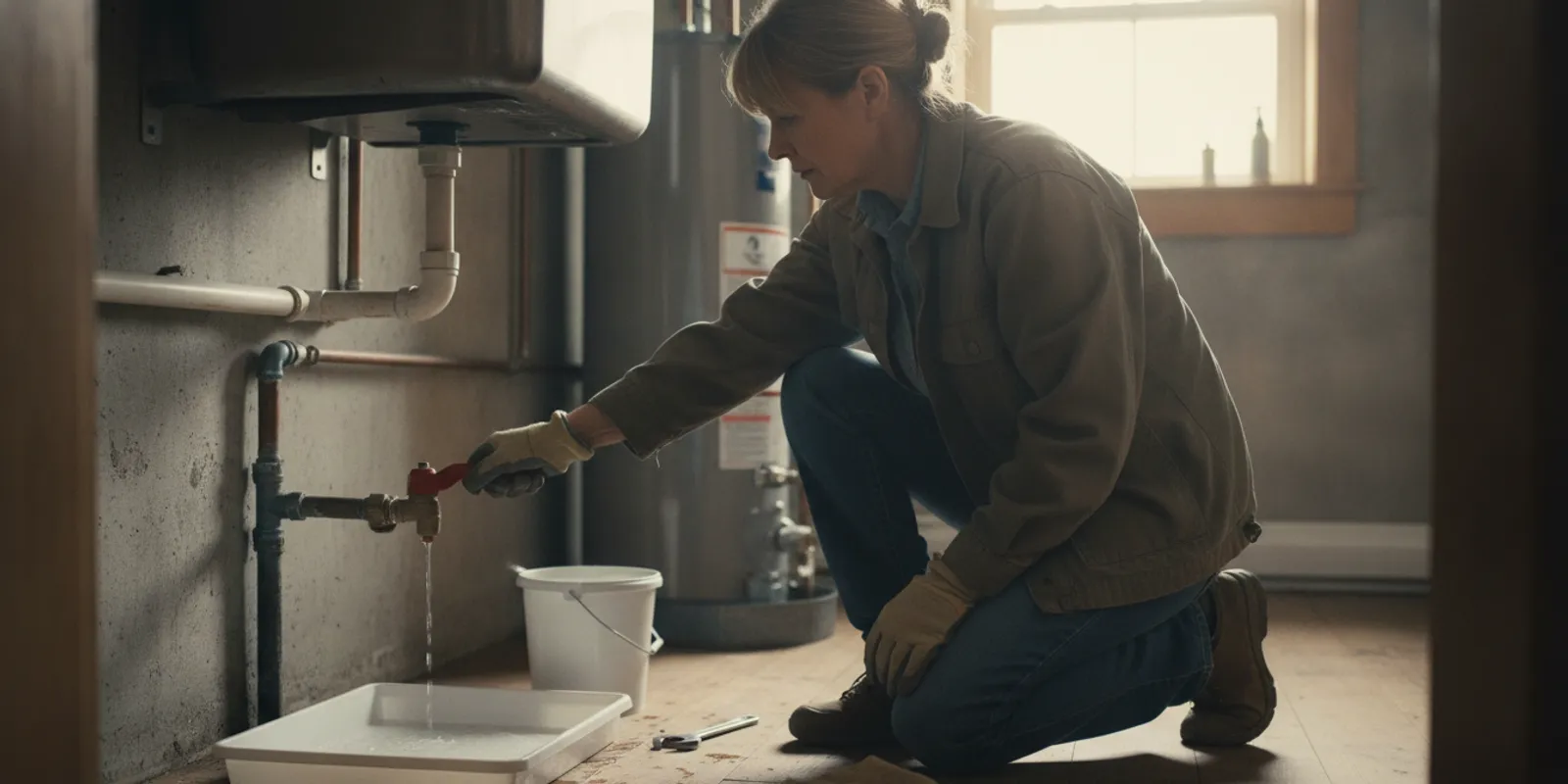
Homeowner turning off a water shutoff valve during an active plumbing leak

When to Call an Emergency Plumber in Boca Raton

When should a homeowner call an emergency plumber? Call when water is actively damaging the home, sewage is backing up, a safety concern is present, or an essential plumbing fixture cannot be used. A small drip or isolated clog may be able to wait, but the right decision depends on whether the problem is spreading and whether you can contain it safely.

Call for emergency plumbing help

What makes a plumbing problem an emergency?

Start with three questions: Is damage continuing? Is anyone at risk? Has the home lost an essential plumbing service? The more immediate the risk, the stronger the case for a prompt call. You do not need to identify the failed part before calling. Describe what you can see and what has changed.

  • Water is flowing or spreading: A burst pipe, failed supply line, or leak that continues after the fixture is off can wet floors, walls, cabinets, and belongings. Water may also travel behind a wall or below flooring, so a small visible puddle may not show the full extent.
  • Wastewater is backing up: Sewage coming up through a toilet, tub, shower, or floor drain is a sanitation concern. Keep people and pets away and stop using fixtures that may feed the affected line.
  • Essential plumbing is unavailable: A home with no usable toilet, or a failure affecting several fixtures, may need urgent help. If another toilet or sink still works, explain that when calling.
  • There may be a safety hazard: Water near electrical equipment, a gas odor, or a water heater with a scorched smell deserves caution. Leave the hazardous area and contact the appropriate emergency service or utility from a safe location when needed.
  • A water heater is leaking or behaving abnormally: A leak, unusual noise, burning odor, or other safety symptom is different from a heater that simply produces no hot water. Do not open the unit or attempt gas or electrical repairs.

Hardenburgh Plumbing provides 24/7 emergency plumbing service. Calling does not guarantee a particular arrival time or same-day completion. Explain the symptoms and ask what next step is appropriate.

When can a plumbing problem usually wait?

A problem may be suitable for a scheduled repair when there is no continuing water loss, no sewage, no hazard, and essential fixtures remain usable. Examples include a faucet that drips only when used, one slow drain that is not overflowing, or a toilet that runs intermittently but still flushes and does not overflow.

“Can wait” does not mean “ignore it.” A drip can worsen, and a slow drain can become a backup. Keep an eye on whether the symptom changes. If dampness spreads, other fixtures become affected, an odor appears, or the problem returns soon after a temporary measure, call and describe that change.

Use the pattern, not just the fixture

One clogged sink with normal drains elsewhere points to a different urgency level than several drains slowing at once. A single toilet that is out of service may be manageable if another works; a home with only one toilet has a more immediate loss of use. A contained drip into a bowl is not the same as water appearing through a ceiling. Explain the pattern instead of trying to name the cause.

What should you do before the plumber arrives?

Keep the first steps simple: protect people, limit the source only if safe, and preserve useful information. Do not put yourself in danger to save a floor or belongings.

  1. Move people away from hazards. Keep children and pets clear of wet areas and wastewater. Do not stand in water near outlets, appliances, cords, or electrical panels.
  2. Use a shutoff only if it is accessible and safe. A fixture valve may stop a localized leak. For a larger leak, use the main water shutoff only if you know where it is and can reach it safely. Do not force a stuck valve or enter a flooded space to reach one.
  3. Stop feeding an affected drain. If wastewater is backing up, avoid running sinks, showers, washing machines, or other connected fixtures. Do not keep flushing a toilet that is contributing to the backup.
  4. Protect belongings from a safe position. Move items away from a small clean-water leak only if you can do so without crossing a wet or hazardous area. A container or towel may help with a minor drip, but do not enter contaminated water or open a ceiling that may be holding water.
  5. Take photos and note the timeline. From a safe place, record where water first appeared, which fixtures are involved, and whether the flow is increasing. Do not delay urgent safety steps to document it.
  6. Keep the area accessible. If safe, clear a path to the affected fixture or shutoff and secure pets. Do not remove panels, cut drywall, or dismantle equipment.

For gas odor, leave the building and contact the gas utility or emergency services from outside. If water has reached electrical equipment, stay clear and seek appropriate emergency guidance. For general public-health resources, consult the Centers for Disease Control and Prevention; for sewage exposure or cleanup questions, follow local public-health instructions.

How can you prepare without making the problem worse?

Once people are safe and the immediate source is controlled where possible, a few small preparations can make the service conversation clearer. Do not take plumbing apart or enter a hazardous area.

  • Identify the affected zone. Note whether the issue is under a sink, beside a water heater, near a toilet, or showing below another room. Report where water is visible rather than guessing at a pipe.
  • Notice what was happening. Was a shower running, a toilet recently flushed, or a washing machine draining when the problem appeared? This context may help explain the timing.
  • Keep equipment information handy. If a water heater is involved, note whether it is tank or tankless and its fuel type if known. Do not move it or remove a cover to find a label.
  • Report temporary fixes. Mention if a valve is closed, a drain is no longer being used, or a leak stopped on its own. A temporary change can matter even if the symptom returns.
  • Make access safe. Keep pets away and move loose items only when the route is dry and safe. Do not put yourself under a wet ceiling.

For a commercial property, tell the person responsible for the building which rooms, tenants, or operations are affected. A restaurant manager may need to report a drain backup near a food-preparation area; an office manager may need to identify a restroom out of service. Do not reopen an affected area until the hazard is addressed.

What can change the urgency while you wait?

Reassess if conditions change. A leak that stops and starts again, a new damp patch, or a second fixture that begins backing up is important information. Contact the plumber again or seek emergency guidance if the situation worsens.

Water can remain in building materials after a source is stopped, and a ceiling can stay wet after a fixture valve is closed. Keep away from sagging or visibly damaged ceilings. A quiet drain may still back up again, so avoid testing it repeatedly by running water.

Think of the call as a handoff of observations: what happened, what you changed, what remains affected, and what has improved or worsened. If there is immediate danger, prioritize emergency services or the utility over documenting details.

How do you choose between a call now and a scheduled request?

Use this sequence to organize what you observe. It is not a substitute for a plumber’s diagnosis.

  1. Check for danger first. Gas odor, electrical exposure, or a person at risk means leave the area and contact the appropriate emergency resource. Do not attempt a plumbing repair while a hazard is active.
  2. Ask whether water or wastewater is still moving. Ongoing flow, spreading dampness, or a backup that returns when a fixture is used raises urgency. If it is safe, shut off the source or stop using connected fixtures.
  3. Count affected fixtures. One isolated slow drain differs from multiple drains or toilets showing symptoms. Report how many fixtures are involved.
  4. Consider what the household has lost. No usable toilet, no water, or a major loss of hot water can affect basic use. State whether another fixture or service remains available.
  5. Describe facts, not guesses. Ask whether the symptoms call for emergency service or a scheduled visit. Do not assume a suspected pipe location or repair method is correct.

For example, imagine a damp spot beneath an upstairs bathroom. If it is growing and dripping into a light fixture, leave the area and seek appropriate safety help before approaching the plumbing. If a small leak is safely stopped at a fixture valve and is nowhere near electricity, report that it has stopped and ask about service options. Those are materially different situations even if both began with a wet ceiling.

What should you tell the plumber when you call?

A concise description is more useful than a confident guess about which pipe failed. Share what you observe:

  • Your address and a callback number.
  • Whether water is still flowing and whether you shut off a valve.
  • Which rooms, fixtures, or drains are affected.
  • Whether sewage, unusual odors, or possible electrical or gas hazards are present.
  • When the problem began and whether it is getting worse, stopping, or returning.
  • Whether other toilets, sinks, or water sources remain usable.
  • Any safe steps already taken, such as keeping people away or moving belongings.

A useful description might be: “Water is coming through the ceiling below the upstairs bathroom. It is still dripping. I turned off the toilet valve, but the ceiling remains wet.” If you do not know the cause, say so. The plumber can ask follow-up questions.

How do leaks, backups, and water-heater problems differ?

Active leaks

Water escaping from a supply line or fixture can damage building materials and contents. A leak may be obvious under a sink or hidden in a wall, slab, or ceiling. If a visible fixture shutoff stops it and the area is safe, report that; if it continues or seems concealed, say so. Avoid assuming the nearest damp spot marks the source. For more about water leak detection and slab leak detection, see the service pages.

Drain or sewer backups

A single slow drain and a backup affecting several fixtures are different patterns. Stop using drains that appear connected to the problem, especially if wastewater is surfacing. Do not pour chemical cleaner into a backed-up fixture; it may leave a hazardous substance for whoever works on the line. A plumber can assess whether cleaning, hydro jetting, camera inspection, or repair fits the condition. Learn about drain cleaning services, and explain whether one drain or several are affected.

Water-heater trouble

A leaking water heater or one with a burning odor calls for caution. Do not remove covers, adjust gas components, or work on electrical connections. If the heater simply stops supplying hot water and there is no visible leak or other hazard, it may be a repair request rather than an immediate danger. Share the heater type if known. Hardenburgh Plumbing works on tank and tankless water heaters.

What should you avoid doing?

  • Do not touch switches, appliances, cords, or electrical equipment while standing in or near water.
  • Do not climb onto a wet roof, enter a flooded crawlspace, or open a waterlogged ceiling.
  • Do not attempt gas appliance repairs or pipe repairs beyond a shutoff you understand and can reach safely.
  • Do not keep using fixtures that appear to feed a backup.
  • Do not mix drain chemicals or add another product to a backed-up line.
  • Do not force a corroded or stuck shutoff valve.
  • Do not assume a leak is fixed just because water temporarily stopped. Note what changed and report it.

Frequently asked questions

Should I call if I can catch the leaking water?

Call promptly if the leak continues, the wet area grows, or you cannot safely stop the flow. A container may limit a small drip temporarily, but it does not identify or repair the cause. If water is near electricity or the leak appears concealed, keep clear and describe what you see.

Is a clogged toilet always an emergency?

No. If one toilet is clogged, other plumbing works, and nothing is overflowing, stop using that toilet and request service. Treat it as urgent if wastewater is coming out, multiple fixtures are backing up, or the home has no usable toilet.

Should I turn off the main water supply?

Only if you know where the valve is and can reach it safely. Turning it off may limit an active supply leak. Do not force a stuck valve or enter a hazardous area to reach it, and tell the plumber whether you shut it off.

Can I wait until morning?

If water is still escaping, sewage is surfacing, or a hazard is present, do not assume waiting is safe. If the leak has stopped, the area is contained, and no safety or sanitation issue remains, call to describe the situation and ask about options. No particular arrival or completion time is guaranteed.

What should you do next?

If active water, sewage, a safety concern, or loss of essential plumbing is affecting your home, call Hardenburgh Plumbing at (561) 968-0000 and explain what you observe. The company provides 24/7 emergency plumbing service; your description helps the team understand the issue without requiring you to diagnose it.

Contact Hardenburgh Plumbing

For a contained issue without immediate risk, request service and keep the affected fixture out of use until it has been checked.
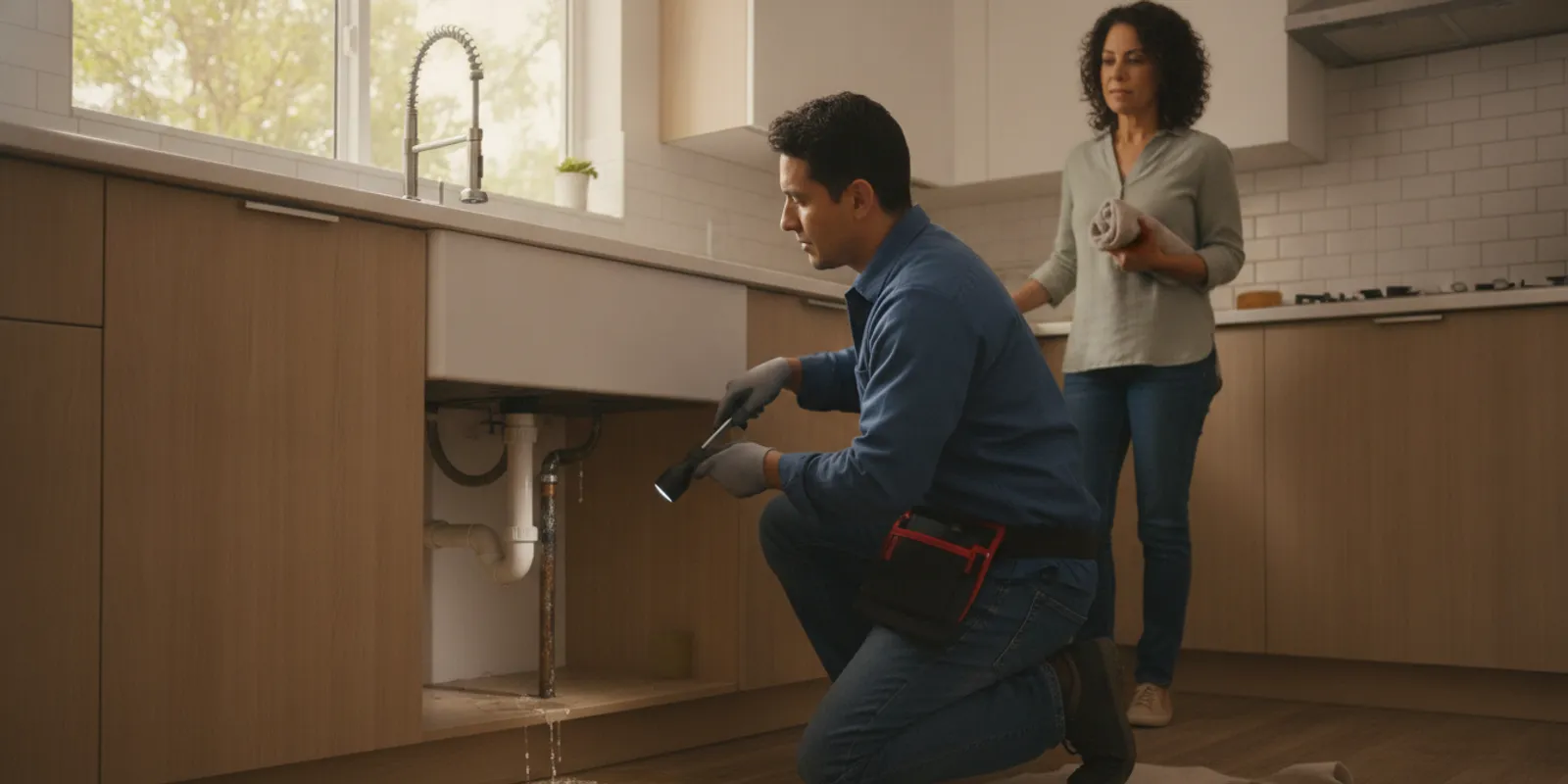
Plumber inspecting a water leak inside a South Florida home

Emergency Plumber in Loxahatchee: What to Do First

A burst pipe, sewage backup, or sudden leak can make a home feel unsafe fast. If you need an emergency plumber loxahatchee residents can call, start by protecting people, limiting water damage, and avoiding repairs that could create another hazard. The right first step depends on what is leaking and where it is coming from.

Call Hardenburgh Plumbing

Hardenburgh Plumbing serves residential and commercial customers in Palm Beach County and South Florida. The company offers emergency plumbing, but emergency dispatch and scheduled appointments are not the same thing. Call to explain the problem and location, then ask whether dispatch is available for your situation. Do not assume a visit time or weekend availability until it is confirmed.

For a pipe-type and repipe-needs question rather than an active emergency, the company describes a free inspection to assess repiping needs. That offer is specific to pipe identification and repiping assessment; it is not a blanket promise of a free emergency diagnostic.

What should you do first during a plumbing emergency?

Take a moment to identify immediate dangers before reaching for tools. If water is near outlets, appliances, an electrical panel, or a ceiling light, do not step into standing water or touch electrical equipment. Keep people and pets away. If you can reach the main water shutoff without crossing a wet or hazardous area, closing it may limit further damage. If you cannot reach it safely, leave it alone and call for help.

In many homes, the main shutoff is near where the water service enters the building, but its location and design vary. It may be in a garage, utility area, or outside near the service line. Do not force a stuck or damaged valve. A broken shutoff can make the leak worse. If you know the valve and can operate it safely, turn it gently to the closed position. If the water stops, leave the valve closed until the plumbing is checked.

Use towels or a bucket only for a small, controlled leak where the area is safe. Do not open ceilings, remove wall panels, or move heavy appliances to find a pipe. Water can travel away from its source, and a wet ceiling may sag or collapse. Photograph the damage from a safe place for your records, but do not delay calling when water is actively spreading.

Which problems call for urgent professional help?

A plumbing problem is urgent when water cannot be stopped, a drain or sewer is backing up into the building, a pipe has burst, or the leak threatens electrical equipment, structural materials, or valuable contents. A complete loss of water may also need prompt assessment, especially when there is an active leak or a business cannot operate safely.

Some symptoms can wait for a scheduled visit if the water is off, the area is safe, and the problem is not getting worse. A slow drip into a container, a single fixture that drains slowly while other drains work, or a faucet that needs repair may be less urgent than flooding or sewage. Still, the cause matters. A small visible drip can come from a larger concealed leak, so monitor it and ask for guidance if you are unsure.

Problem First safe action When to request urgent help
Burst or actively leaking water pipe Close the main shutoff if accessible without danger; keep clear of electrical hazards. Call promptly if the leak continues, the shutoff fails, or water is spreading into walls, ceilings, or floors.
Sewer or drain backup Stop using affected sinks, toilets, showers, and appliances; keep people and pets away from wastewater. Request help when wastewater returns into a fixture, multiple drains are affected, or the backup is spreading.
Water heater leak Avoid touching wet electrical components or hot water; keep clear of the heater if the area is unsafe. Call when water is actively escaping, the tank or connections appear damaged, or you cannot safely isolate it.
Slow drip at one fixture Place a container beneath it if safe and stop using the fixture if that reduces leaking. A booked visit may be suitable when the drip is controlled and there is no spreading damage.

How should you respond to a burst pipe or major leak?

For a leak that is actively flooding a room, shut off the water only if the valve is known, reachable, and safe to use. Do not search for a hidden valve through standing water or near exposed wiring. If the water is near electrical equipment, stay out of the area and contact the appropriate emergency service if there is an immediate danger. A plumber can address the plumbing, but electrical hazards require a safe approach first.

Once the water is off, move belongings only if you can do so without entering an unsafe area. Keep children and pets away from wet floors. Avoid using a wet vacuum or plugging in fans or other equipment where water may have reached outlets or cords. Do not puncture a bulging ceiling to drain it; the material may give way unexpectedly. Tell the responding professional where water is visible, when it began, whether the shutoff worked, and whether any rooms or floors are affected.

If you live in a home with a water heater or pump, do not start switching equipment on and off without knowing what controls it. If the leak seems to come from a heater, pump, or concealed pipe, give that detail on the call. The source may not be obvious from the water’s location. A technician may need to inspect the plumbing before recommending a repair. For heater-specific repair information, see the company’s water heater repair and installation page.

What if a toilet, drain, or sewer line backs up?

Stop running water into plumbing connected to the affected drain. That means avoiding repeated toilet flushes and pausing the dishwasher, washing machine, shower, and sinks if several fixtures are involved. More water can push a backup farther into the home. Keep people and pets away from wastewater, and do not try to clear a sewer backup with chemical drain cleaners.

A single slow sink may be a localized clog, while water coming up through a tub, floor drain, or more than one fixture can point to a wider drainage problem. These signs do not prove the exact cause. A plumber may use drain cleaning methods or a sewer camera inspection depending on what the inspection shows. Learn more about drain cleaning options; do not remove a cleanout cap or attempt to operate unfamiliar equipment, because pressure or wastewater may escape.

For a commercial property, stop using affected fixtures and notify the person responsible for building operations. In a restaurant or other food-service setting, follow the business’s sanitation procedures and keep contaminated areas out of use until they are addressed. Tell the plumber which fixtures are affected, whether the problem happens repeatedly, and whether water is coming up or simply draining slowly.

What should you do if you smell gas near plumbing equipment?

If you smell gas, hear a hissing sound, or suspect a gas leak, leave the building and move away. Do not operate lights, switches, appliances, phones inside the building, or anything else that could create a spark. Do not try to locate or repair the leak. Once you are safely away, contact the gas utility or emergency services using their appropriate emergency number. A plumbing call is not a substitute for responding to a possible gas emergency.

Do not re-enter until the appropriate emergency responders or utility provider say it is safe. If the concern is instead a plumbing leak near a gas water heater, do not touch wet components or try to relight equipment. Explain what you observed and let qualified professionals determine the safe next step.

How can you tell whether to request dispatch or book a visit?

Emergency dispatch is intended for situations that need prompt attention, such as an uncontrolled leak or an active backup creating damage or unsafe conditions. A booked visit is generally more appropriate when the issue is contained, the affected fixture can remain unused, and there is no immediate risk. A phone conversation helps clarify which path may fit, but only the service provider can confirm whether a dispatch is available.

Hardenburgh Plumbing describes emergency plumbing as a service. However, standard appointments and emergency calls are separate, and weekend access is not universally promised. Ask directly about current availability for your address and the type of problem. Do not rely on a general claim of around-the-clock emergency assistance as confirmation that a particular visit can be dispatched at a particular time.

When you call, share the specific facts rather than only saying “plumbing emergency.” This helps the person taking the call understand the urgency and what the technician may need to know:

  • Your street or area in Loxahatchee and the best callback number.
  • What is happening: active leak, no water, sewer backup, heater leak, or another issue.
  • Whether water is still flowing and whether you could safely close the main shutoff.
  • Which fixtures, rooms, floors, or parts of a commercial building are affected.
  • Whether there is standing water near electrical equipment, a gas odor, or another immediate hazard.
  • Whether you need emergency dispatch or can arrange a scheduled visit.

What should you expect when requesting plumbing help?

Describe what you can see, but do not guess at the cause. For example, say that water is appearing beneath a bathroom floor rather than declaring that a pipe beneath the slab has failed. A professional can assess the condition and explain what inspection or repair may be appropriate. If the cause is uncertain, the initial visit may focus on identifying the source before a repair plan is proposed. The company also describes water leak detection services for concealed leak concerns.

Ask what the next step will involve, whether the problem appears contained, and what work is being recommended. Before work starts, ask for an explanation of the proposed repair and its price for that job. Hardenburgh Plumbing’s stated approach is to explain the work and get approval before starting. A quote depends on the particular problem; there is no universal price that can be responsibly applied to every leak, backup, or pipe repair.

For concealed leaks, recurring drain issues, or water-heater problems, make a note of when the symptoms started and what makes them better or worse. Keep the affected area accessible if it is safe to do so. Do not remove fixtures, cut into drywall, or begin a repair just to prepare for the visit. Those actions can create additional damage or hide useful evidence about the source.

How can you reduce damage while waiting for guidance?

Keep the water off if closing the shutoff stopped the leak, and do not reopen it to test the system. Use a dry, safe route to keep people away from the affected area. If there is no electrical risk and the water is limited, move small belongings out of the way and place a container beneath a controlled drip. Avoid handling contaminated water, and do not use cleaning products or tools that could react with materials already in the drain.

Keep track of any change: whether water is still spreading, a new fixture is affected, or the backup has stopped. If conditions get worse, call back and update the person handling the request. Do not wait for a routine appointment if the situation becomes an uncontrolled leak, reaches an electrical hazard, or creates a serious sewage exposure concern.

What details matter in a Loxahatchee home or business?

The same symptom can have different implications depending on the building. In a single-family home, note whether water is affecting one room or more than one floor, and whether fixtures elsewhere still work. In a multi-tenant property, tell the property manager which units or shared areas are affected. Do not enter another unit or a locked mechanical space without permission. A building representative may need to coordinate access while the plumber assesses the issue.

For a commercial property, consider which operations must pause to keep people safe. A restaurant with a drain backup, for instance, should stop using affected fixtures and follow its sanitation procedures rather than directing staff to keep working around wastewater. An office or retail manager can identify restrooms, break rooms, and common areas affected, and can arrange safe access to the relevant plumbing. This information helps explain the scope of the problem; it does not replace an inspection.

Loxahatchee includes properties with different layouts and plumbing systems, so avoid assuming that a shutoff, water source, or access point is the same from one building to another. If you know where the main water shutoff is, tell the person on the call whether you closed it and what happened. If you do not know, say so. Never spend time searching in an unsafe area just to provide an answer.

When a problem affects a shared building or business, designate one person to speak with the service provider and relay updates. That person can share the address, access instructions, observed symptoms, and any changes while keeping others clear of the hazard. For a home, make sure the caller can be reached and can explain whether the leak is still active. Clear, factual information is more useful than a guessed diagnosis.

For general emergency preparedness, the U.S. government’s Ready.gov guidance recommends planning ahead for emergencies. Treat that broad advice as preparation, not plumbing diagnosis: learn where household shutoffs are before a leak occurs, and keep emergency contacts accessible.

Frequently asked questions

Does every leak require emergency dispatch?

No. A controlled drip with no spreading damage may be suitable for a scheduled visit. An active leak that cannot be stopped, threatens electrical equipment, or is damaging walls, ceilings, or floors calls for more urgent attention. Describe what is happening and ask about availability.

Should I shut off the water before calling?

Only if you can reach a known shutoff safely and operate it without entering standing water or touching electrical hazards. Do not force a stuck valve or take apart plumbing. If you cannot shut the water off safely, move away and explain the situation when you call.

Can I use drain cleaner for a sewer backup?

Avoid chemical drain cleaners when wastewater is backing up or several fixtures are affected. Stop using connected fixtures and keep people and pets away. A professional can assess whether drain cleaning, a camera inspection, or another step is appropriate.

Is emergency service guaranteed at any hour in Loxahatchee?

Do not assume a particular dispatch time or weekend visit is available. Emergency plumbing and booked visits are different service paths. Call to confirm current availability for your location and the problem you are facing.

What if I suspect a gas leak?

Leave the building without operating switches or appliances, move away, and contact the gas utility or emergency services from a safe location. Do not attempt to find or fix the source, and do not re-enter until responders say it is safe.

Call to discuss your plumbing problem

What is the safest next step?

Protect people first, shut off water only when it is safe, and avoid using plumbing that is backing up or leaking. For an uncontrolled leak, sewer backup, or other urgent issue in Loxahatchee, call Hardenburgh Plumbing at (561) 968-0000 to explain the problem and ask whether emergency dispatch is available. If the issue is contained, arrange a booked visit and keep monitoring the area for changes. For further guidance about plumbing services and how to reach the company, visit the plumbing service overview.

how to shut off main water valve

How To Shut Off Your Main Water Valve In An Emergency

The sound of rushing water is soothing if you’re standing near a waterfall or a rocky stream. But that same sound coming from a basement, crawl space, or bathroom is the stuff of homeowner nightmares.

A burst pipe can cause thousands of dollars in damage to your home. You can avoid costly repairs if you shut off your main water valve when an emergency strikes. But don’t wait until you’re fumbling in your pajamas with a flashlight in hand. Learning how to shut off your main water valve now will help you avoid damage when a major leak does happen.

Why Every Florida Homeowner Should Know How to Shut Off the Main Water Valve Before a Water Emergency

Florida’s homes are just as prone to burst pipes as homes in the North. What Florida lacks in freezing temperatures, it makes up for in regional conditions that leave pipes vulnerable to failure. And there are plenty of plumbing emergencies that call for a professional.

Hard Water

Florida is known for its hard water almost as much as it’s known for its sunshine. That’s because most of our water comes from an aquifer below limestone bedrock. When water travels through limestone to this massive aquifer, it picks up minerals like calcium and magnesium. The resulting hard water wreaks havoc on homes’ plumbing systems.

Freezing Temperatures

It doesn’t happen often, but freezing temperatures do hit the Sunshine State, particularly in the north. And homes built here are less protected from sudden freezes. Pipes lack insulation and are often exposed in unprotected crawl spaces, which are most commonly found in older Florida homes, built in the 1970s or before.

Excessive Water Pressure

Florida water utilities increase water pressure to service tall buildings and meet demand. But this increased water pressure combined with corrosive hard water can lead to burst pipes.

Minutes Matter When a Pipe Bursts

When a pipe bursts in your home, you need to act fast to avoid damage. A half-inch pipe can hemorrhage 50 gallons of water each minute. And the amount of water that soaks your walls, fixtures, and floors is even higher with larger pipes. Quickly turning off the main water valve is the fastest and most surefire way to avoid plumbing issues that could cost thousands of dollars in damage.

Where Is the Main Water Shut-Off Valve in a House?

The location of the main water shut-off valve varies by home. There are some usual suspects, however, when locating the shut-off valve in Florida homes.

  • Exterior Wall: Look for a pipe fitted with a valve on the exterior of the house. Typically, the pipe will be on the side of the house that faces the street.
  • Garage: Look for the shut-off valve on the wall joined with the house or near a utility sink.
  • Utility Closet: If your home has a utility closet where the HVAC system or water heater are located, you may find your shut-off valve there.
  • Underground: Sometimes, the main water shut-off valve is located in an underground utility box. The water utility box typically requires a “key,” which you can purchase online or at a local hardware store. Contact your water utility with any questions regarding the utility box.
  • Basement or Crawlspace: If you’re the rare Florida homeowner with a basement or crawlspace, your water shut-off valve may be located there.
Main Water Shut-Off Valve

What Does the Main Water Valve Look Like?

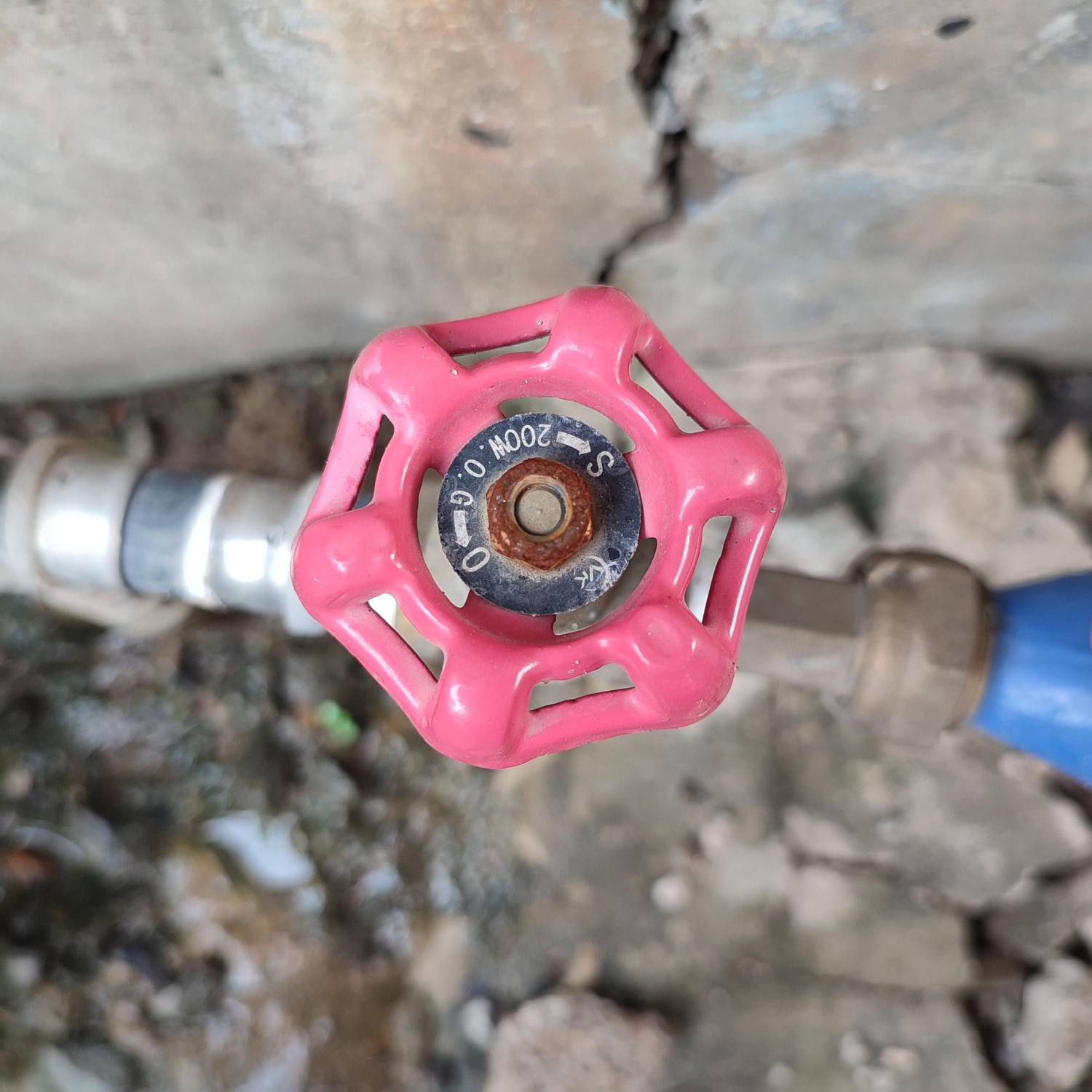
Your water supply shutoff will have one of two valve types. Gate valves, found on older homes, feature a circular wheel handle. Newer homes feature a ball valve that looks like a lever.

Gate Valve

“Righty tighty, lefty loosey” applies to gate valves. To turn off a gate valve, rotate the wheel to the right. Rotate it to the left to open it again. Gate valves require several turns of the wheel to turn completely off or on.

Older gate valves have a tendency to get stuck. Never force a stuck gate valve. Doing so can break it and cause a leak. Fixing a leak at a gate valve often involves calling the water utility to temporarily turn off service to the home. Instead, try the following fixes for a stuck gate valve.

  • Spray the valve with WD-40 or PB Blaster and let it soak for 30 minutes before trying the valve again.
  • Gently tap the valve stem with a hammer to break up the mineral deposits within the mechanism.
  • Call an expert plumbing team for a gate valve replacement.

Ball Valve

Found in most newer builds, ball valves are easier to operate and less prone to failure than gate valves. Ball valves feature a lever handle that only requires a quarter turn to open or close the valve.

When the ball valve is open, it will be in line with the water pipe. A closed ball valve will be at a right angle to the water pipe.

Ball valves are far less likely than gate valves to become stuck. If your ball valve is stuck, try applying a lubricating spray and allowing it to set for 15 to 30 minutes. If it still doesn’t work, call Hardenburgh Plumbing to fix it before you need it.

Where Are Fixture Shut-Off Valves?

Not every leak requires shutting off water to your entire home. If the problem is isolated to a toilet, sink, or appliance, you may be able to stop the water at the fixture instead.

  • Sinks: Look beneath the sink for shut-off valves on the water supply lines. Turn the valve clockwise until it stops.
  • Toilets: Find the valve on the wall or floor behind the toilet and turn it clockwise to shut off the water.
  • Washing Machines: Look for the hot and cold water valves behind the washing machine and turn both off.
  • Dishwashers: The shut-off valve is often beneath the kitchen sink on the dishwasher’s water supply line.

If you can’t find the fixture valve, the valve won’t turn, or the leak is coming from a pipe rather than a single fixture, shut off the home’s main water valve instead.

Common Mistakes to Avoid When Shutting Off the Main Water Valve

Most of the time, shutting off the main water valve is straightforward once you find it. Still, there are some common pitfalls to avoid.

  • Don’t wait until an emergency. Regularly check your main water valve to ensure it works.
  • Don’t force a stuck valve. Forcing a stuck valve can cause far worse damage. Instead, call the water utility to turn off the service, and then call an emergency plumbing service.
  • Don’t ignore small leaks. The puddle in the basement that you’re wiping every other day will get worse. Call a trusted plumbing team to fix it today.

What to Do After You Shut Off the Main Water Valve

When a big water leak happens, your first step is turning off the main water valve quickly. Then what? Follow these steps after shutting off your main water valve.

  • Assess for safety. Turn off the main circuit breaker if outlets or appliances are in danger of becoming wet.
  • Protect against damage by moving furniture, removing water with a shop vac, and using towels where necessary.
  • Call Hardenburgh Plumbing at 561-968-0000 for reliable, trusted service.

Water Shut Off Valve. Plumbing Emergency

Plumbing Emergency Safeguards for Your Home

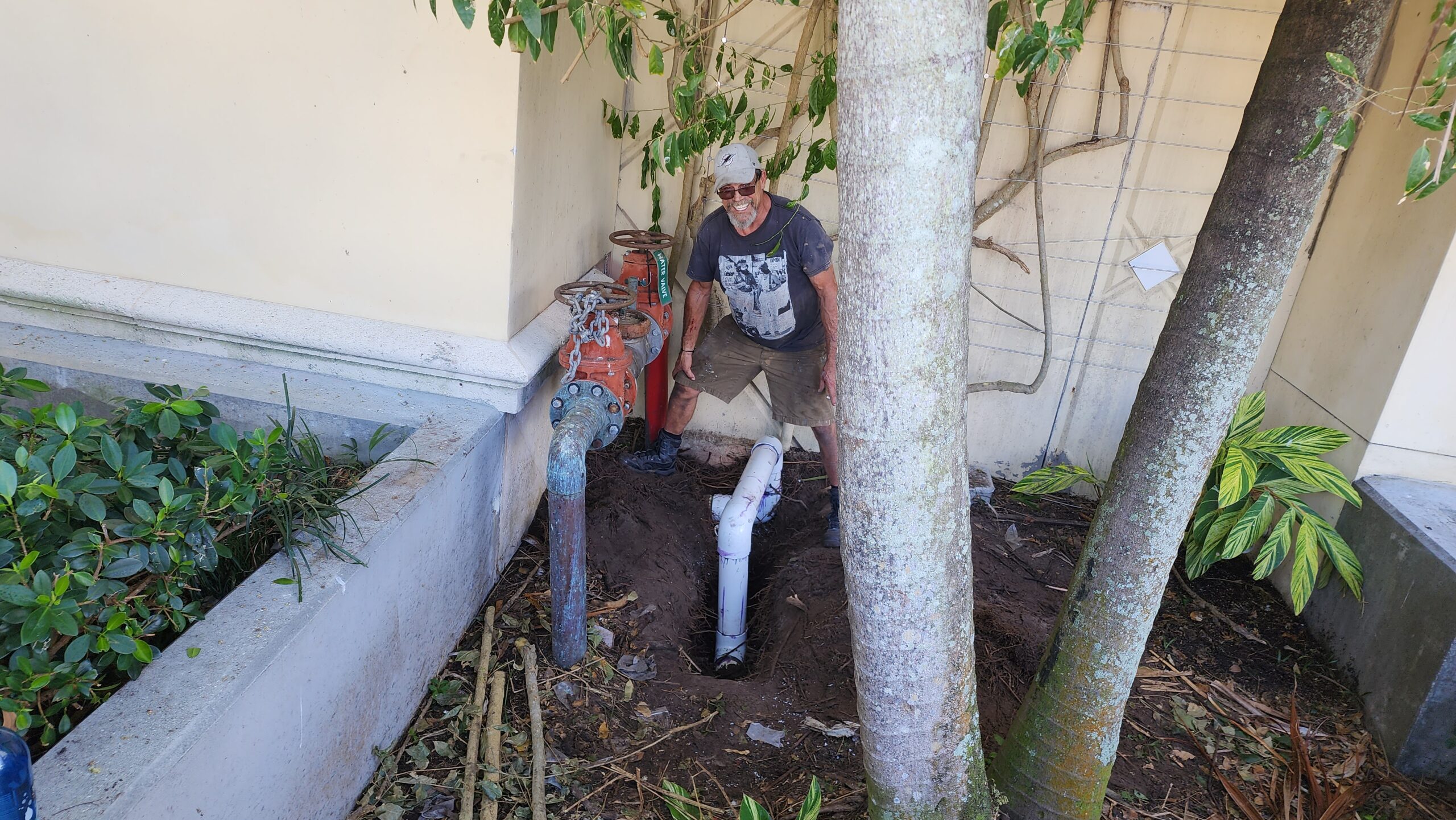
The purpose of this blog is to give to the homeowners some idea how to turn the water off to their house, If there was a plumbing emergency some of  they would have no idea where to shut the water valve off. Houses in Palm Beach can vary in age from 100 years old to six months old. So, What happens if you have a  pipe burst in the house? to prevent major flooding is better to know where the water shut off valve is located.

 Plumbing Emergency Boca Raton

A broken pipe can cause thousands of dollars worth of damage. Water can spread within minutes throughout the house causing mold problems and water damage problems. Every home in Palm Beach County has a water meter.

If you have no idea of where your water meter is located then call Palm Beach County Water Utilities Department for the location, customer service telephone number ( 561)740-4600 option 3.

Plumber in Boca Raton
Meter Water Key

Once you know  the location then you will need a meter water key that can be found at plumbing supply house in Palm Beach County.  The cost of meter water key range from $25 to $80 depending on the material. Keep the meter water key in a location where you have quick access for a plumbing emergency. The meter box cover will open with the use of a screwdriver.

Every fixture in your house has a main shut off valve, it can be a gate valve or a ball valve.

Gates valves vs Ball Valves. Plumbing Emergency.

Plumbing Emergency Repair in Boca RatonOver the years people have used gate valves but as time goes by they have a tendency to break. Many times the plumber will completely avoid turning the valve off to a house because valve will break. So if the plumber is there doing a minor repair ask him what will it cost to replace the gate valve. There is a lot of Chinese  ball  and gate valves on the market these days that are plain junk. When you’re installing valves in your house get good quality valves like Nibco. Most plumbing supply houses have in stock Nibco valves.

Water Heater Ball Valve Benefits

The water heater is another good location to have a ball valve that shuts the cold supply to the water heater. When the cold supply is turned off the homeowner must remember turn the power supply off as well. The power supply is located in the circuit breaker panel labeled water heater or WH. This will prevent the flow of hot water in your house.

Another plumbing emergency problem that can rise from nowhere is a leaky water heater. A leaky water heater can be a major problem for the homeowner. So if a good ball valve is installed the water can be closed from the water heater supply. Then the necessary repairs by the plumber can be done in a timely manner. But until he comes you will be able to flush the toilets in the house because of the ball valve on the water heater. But keep in mind, that single handle faucets if used can backflow into the hot side and leak back into the water heater so only use the toilets.

Many times people have plumbing emergency problems in their house. If there are any questions about plumbing issues please Call Us : ( 561) 968 – 0000 or email us at hardenburghplumbing@gmail.com .When finding plumbers in Internet  use Boca plumber or Boca Raton plumber.

Call us now