Commercial Plumbing Services Boynton Beach: What to Ask
A plumbing problem can interrupt a restaurant, office, retail space, medical or dental office, school, warehouse, or hospitality property in very different ways. Before requesting commercial plumbing services in Boynton Beach, gather the details that help a plumbing professional understand the building, the affected fixtures, and the business constraints. A clear first conversation can separate an urgent repair question from a maintenance, inspection, or improvement request.
This checklist is for business owners, facility managers, and property managers who want to ask better questions before the first visit. Hardenburgh Plumbing serves residential and commercial customers in Palm Beach County and South Florida. Boynton Beach is among its stated target towns, but the exact address, service, and scheduling details should be confirmed before work is planned.
Call (561) 968-0000 to discuss a commercial plumbing question in Boynton Beach.
What should a Boynton Beach business gather before calling?
Start with a short description of what the business is experiencing and what the property needs to keep operating. The goal is not to diagnose the system from a distance. It is to give the plumber enough context to discuss the right type of evaluation or service.
- Property type: Note whether the site is a restaurant, office, retail space, medical or dental office, school, warehouse, hospitality property, or another commercial setting.
- Exact service address: Have the Boynton Beach address ready, along with the best entrance, suite number, gate instructions, and an on-site contact.
- Affected area: Identify the restroom group, kitchen, tenant space, utility room, exterior line, fixture, or equipment that is involved.
- Current symptoms: Record whether the issue is a leak, low flow, slow drainage, backup, odor, temperature problem, fixture failure, or another concern.
- Timing and impact: Explain whether the issue is stopping an operation, affecting occupants, creating a water-damage concern, or appearing intermittently.
- Recent history: Share prior repairs, recurring drain or sewer symptoms, recent remodeling, equipment changes, or an earlier inspection report when available.
Photos of a visible leak, fixture, access point, or equipment label may help with the initial conversation. They do not replace an on-site assessment, and a photo cannot establish the condition of concealed piping or the full cause of a recurring problem.
Which part of the commercial plumbing system is involved?
Ask the first conversation to identify the system under discussion rather than treating every plumbing concern as the same service. Commercial plumbing may involve fixtures and supply piping, drains, sewer lines, water heaters, backflow equipment, grease-trap work, leak detection, repiping, or pumps. The right next step depends on the symptoms, the building, and what can be confirmed at the property.
Fixtures and water supply
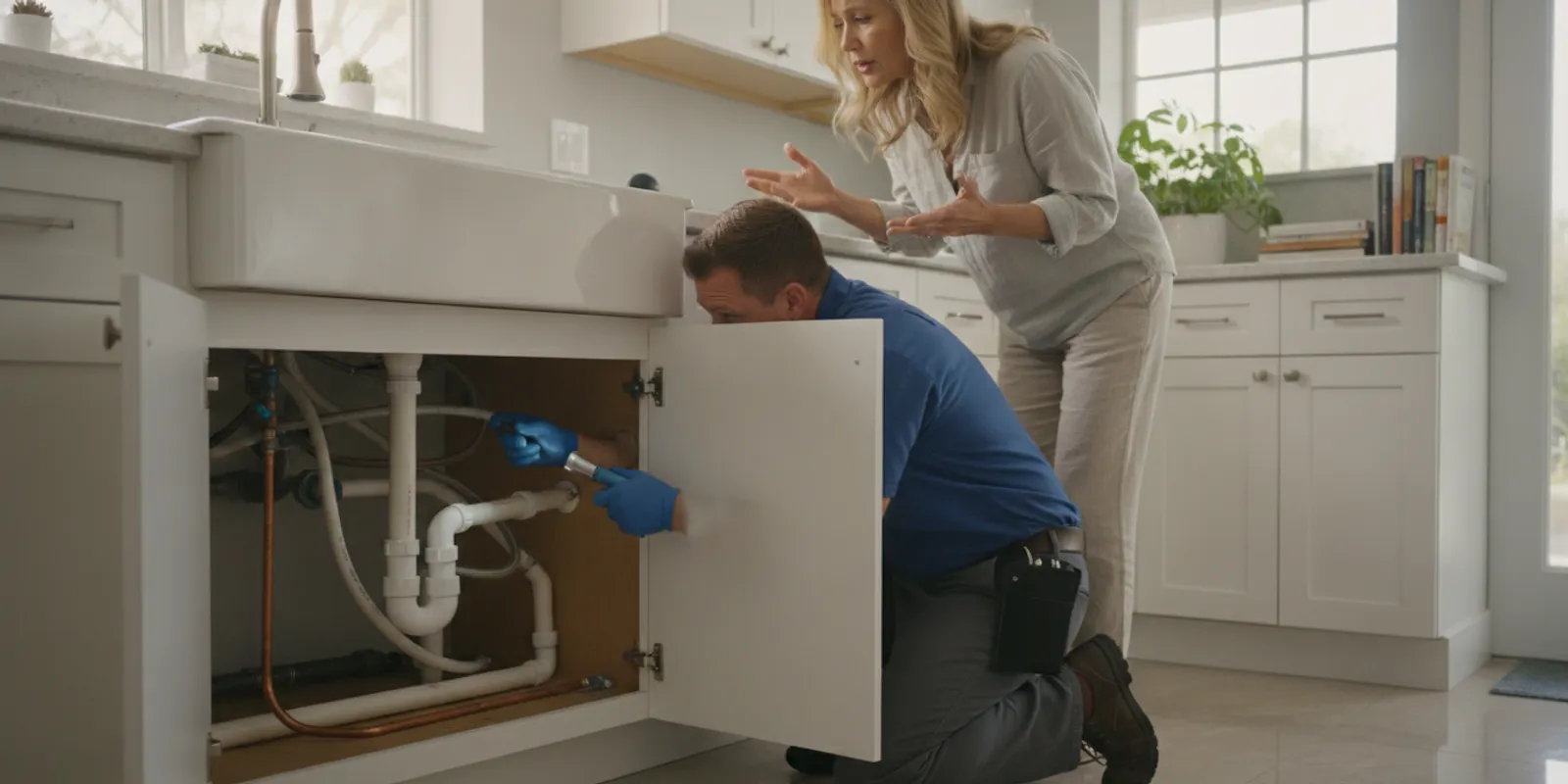
For a restroom, break room, kitchen, or tenant fixture, ask whether the concern appears limited to one fixture or affects several fixtures on the same branch. A running toilet, failed faucet, leak beneath a sink, weak flow, or repeated shutoff problem may require a different discussion than a building-wide pressure or supply concern. Ask which shutoff must be reached and whether the business should prepare to take a fixture or area out of service during the evaluation.
Drains and sewer lines
For slow drains, backups, odors, or repeated stoppages, describe which fixtures are affected and whether the symptoms return after cleaning. Ask whether the proposed scope is drain cleaning, hydro jetting, sewer camera inspection, repair, or a combination of separate steps. A camera inspection is intended to observe an accessible pipe; it is not a guarantee that every portion of a system will be visible or that one finding explains every symptom.
Hardenburgh’s sewer and drain service information can help a property manager frame that conversation. Ask what access point is needed, what portion of the line can be evaluated, and what documentation will be provided after the visit.
Hot-water equipment
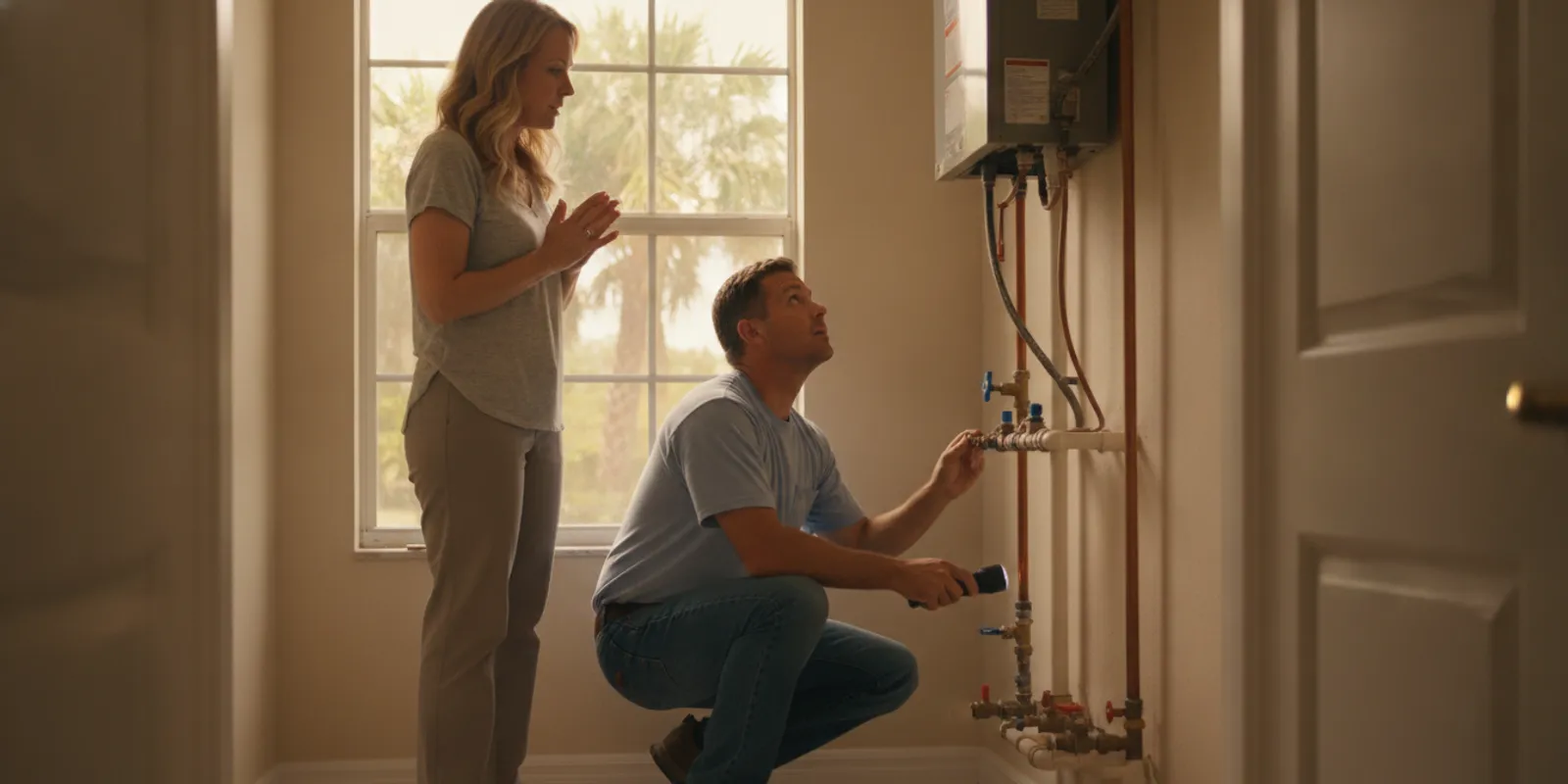
For a hot-water concern, collect the equipment type, model information if available, location, recent service history, and the fixtures or appliances affected. Ask whether the request is for repair, installation, maintenance, or an evaluation of capacity. A commercial property may have different demand patterns during opening, meal service, tenant arrival, laundry, or other operating periods, so describe when the problem is most noticeable rather than assuming a replacement is the answer.
What should you ask about repairs, maintenance, and inspections?
Before approving a visit, ask what the proposed service is intended to accomplish. These are useful questions for a Boynton Beach business:
- Is the first visit intended to restore a fixture, clear a drain, inspect a sewer line, locate a leak, evaluate water-heater performance, or define a repair?
- What information or access should the business provide before the technician arrives?
- Which conditions could change the recommended scope after the system is inspected?
- Will the work address an immediate symptom, investigate a recurring cause, or do both as separate steps?
- What should the property manager receive afterward, such as observations, photos, a video, a written recommendation, or a proposal?
Maintenance questions should be specific to the property. Ask what equipment or fixtures should be included, what recurring symptoms justify closer evaluation, and what the business should monitor between visits. Avoid treating a generic maintenance interval as a universal rule. The building, equipment, water use, manufacturer guidance, and observed conditions all matter.
The U.S. Environmental Protection Agency’s commercial WaterSense guidance is a useful starting point for thinking about water efficiency and facility practices. It does not replace a property-specific plumbing assessment or the instructions for a particular fixture or piece of equipment.
How should a business plan access and operating constraints?
Commercial plumbing work happens around occupants, employees, tenants, customers, deliveries, food service, patient areas, inventory, and other operations. Ask the plumber what access is needed and explain the limits before the scope is approved.
- Where are the main shutoffs, cleanouts, equipment rooms, roof or exterior access points, and affected fixtures?
- Are there locked areas, tenant approvals, gates, loading zones, alarm procedures, or escort requirements?
- Which areas must remain open, protected, or separated from the work?
- Could the water supply, drainage, hot water, or a fixture group need to be temporarily unavailable?
- What preparation should staff complete before the visit, and what should remain untouched?
- Does the work need to be discussed as an emergency plumbing issue or as a planned appointment?
Hardenburgh’s public materials distinguish 24/7 emergency plumbing from booked visits that may need appointment planning. Do not assume that a particular commercial service, weekend visit, arrival time, or completion date is automatic. Give the exact address and operating constraints so availability can be discussed accurately.
What should be clear in the proposed scope?
A useful scope should make it easier to tell what is included, what still needs to be confirmed, and what would require a separate decision. Ask for plain-language answers to these questions:
- Which fixtures, lines, equipment, or rooms are included?
- What inspection, cleaning, repair, installation, or replacement work is being proposed?
- What assumptions depend on access, visible conditions, equipment labels, or a site evaluation?
- What protection, cleanup, testing, or documentation is included?
- What findings would require approval before additional work begins?
- How will the business approve a change in scope?
Upfront pricing means the technician explains the proposed work and receives approval before starting. A price should be treated as a quote for the job and its stated scope, not as a universal rate card. If the property manager is comparing options, use the same description of the affected area and requested outcome for each conversation.
For a broader local starting point, review Boynton Beach plumbing information and note the difference between a general plumbing question and a commercial request that needs building access, operating coordination, or a written scope. The company’s commercial plumbing service information also describes commercial conversations around backflow, grease-trap work, water heaters, and other business plumbing needs. The exact service and property coverage should be confirmed for the Boynton Beach address.
Which commercial plumbing services might a business ask about?
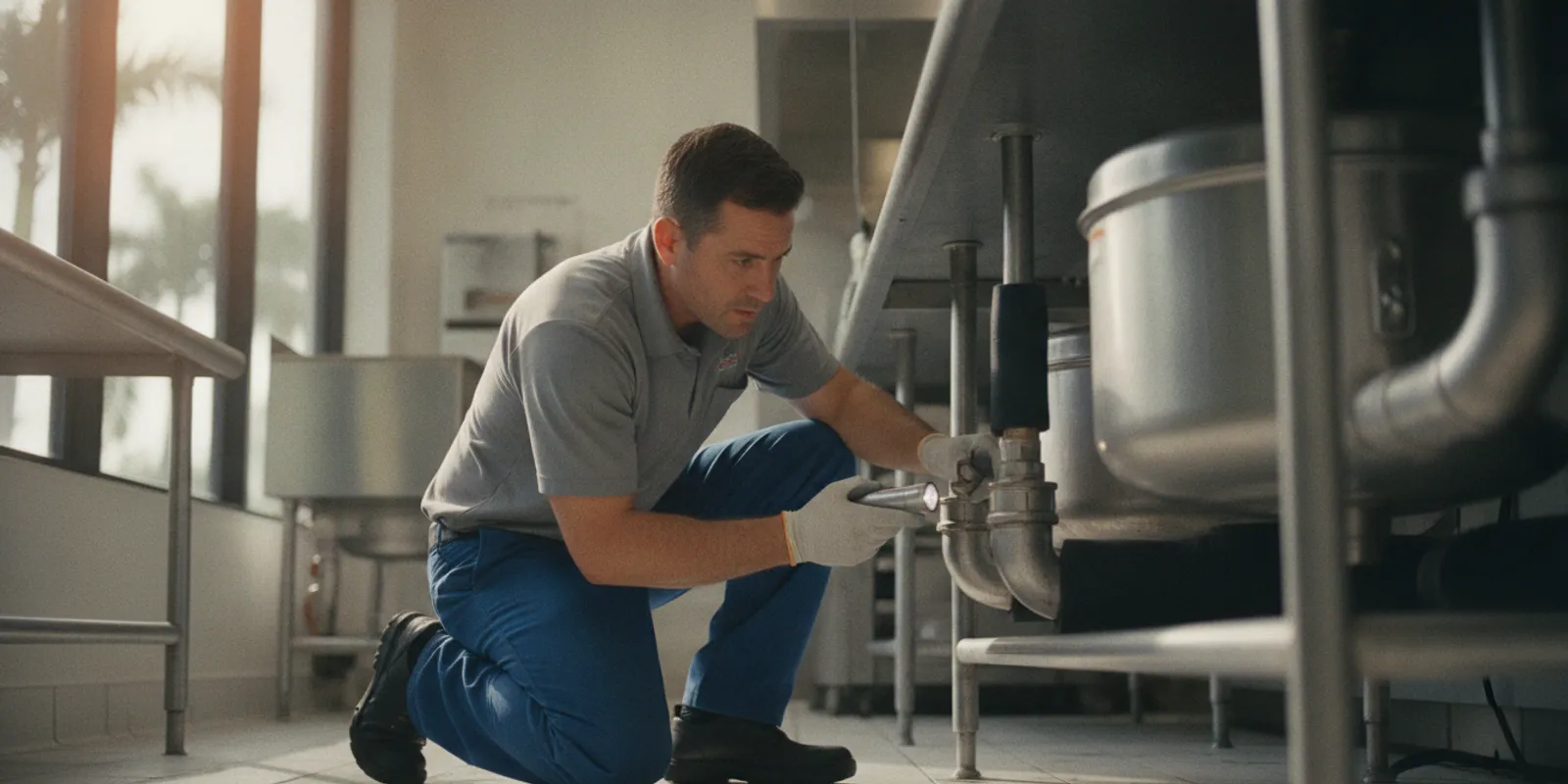
A business can ask whether its concern fits one of the plumbing services Hardenburgh Plumbing describes, including plumbing repair and installation, drain cleaning and hydro jetting, sewer camera inspection and repair, tank and tankless water heaters, leak detection and slab leak repair, repiping, pump installation and repair, and commercial backflow or grease-trap work. The list is a starting point, not a promise that every service is appropriate for every property.
For example, a restaurant may need to discuss drains, grease-trap service, fixtures, or hot water. An office manager may be focused on restrooms, leaks, shutoffs, or recurring drainage. A warehouse may need to explain access, equipment, and the effect of a water or sewer issue on daily operations. A property manager may need a written record that separates what was observed from what is being recommended. In each case, the most useful first question is: “What should be evaluated before we decide on the repair?”
What should you ask before requesting the next step?
Use this short list at the end of the first conversation:
- Have we described the property, address, affected area, symptoms, and business impact clearly?
- Does the proposed visit match the question we need answered?
- What access, shutoff, tenant, safety, or operating details should we prepare?
- What will be documented after the visit?
- What approval is needed before work beyond the initial scope begins?
- How should we contact the plumbing team if the symptoms change before the scheduled discussion?
These questions help a business request a useful commercial plumbing conversation without choosing a repair before the system has been evaluated. They also give the property manager a clearer record for owners, tenants, staff, or future service discussions.
Frequently asked questions
Does Hardenburgh Plumbing serve commercial properties in Boynton Beach?
Boynton Beach is among Hardenburgh Plumbing’s stated target towns, and the company serves residential and commercial customers in Palm Beach County and South Florida. Confirm the exact service, property address, and scheduling details before arranging work.
Should a business ask for emergency plumbing or planned service?
Describe the current risk and operating impact first. A significant active leak, serious backup, or loss of an essential plumbing function may call for an emergency plumbing conversation. A recurring drain symptom, fixture upgrade, maintenance question, or planned water-heater discussion may be better framed as a scheduled evaluation. The property’s exact circumstances determine the next step.
Can a plumber quote commercial work from photos?
Photos and equipment labels can help explain the starting point, but they do not establish concealed conditions, access, the full line route, or the cause of a recurring problem. Ask what can be discussed remotely and what must be confirmed at the property.
What should a property manager bring to the visit?
Have the service address, access instructions, recent invoices or inspection records, equipment information, photos, affected-area details, and an authorized contact ready. If tenants or staff must be notified, plan that communication before any shutoff or disruptive work is considered.
How can a Boynton Beach business start the conversation?
Describe the property, the affected system, the symptoms, the operating impact, and the question you need answered. Then ask what access and next step make sense for that specific commercial plumbing concern. Hardenburgh Plumbing’s contact path can help the business confirm the service and address before work is scheduled.
Use the contact form to discuss the property and request the next step.
Call (561) 968-0000 to discuss commercial plumbing services in Boynton Beach.