How Much Is a Water Heater? Cost Factors to Know
If you are asking how much is a water heater, the useful answer is that the price depends on the equipment and the work your property needs. A straightforward replacement and a project that requires different venting, piping, permits, or inspections are not the same job. A job-specific quote can show what is included instead of relying on a number that may not fit your home or business.
Why can’t one price fit every water heater project?
The total can include the heater, labor, removal of the old unit, installation materials, and any site-specific changes. The equipment is only one part of the work. A replacement may be relatively direct when the new unit is compatible with the existing setup. If the selected model, fuel, location, or connections differ, additional assessment and work may be needed.
Hardenburgh Plumbing works on tank and tankless water heaters, including gas, propane, and electric systems. That range does not mean every type is a direct substitute for every other type. A plumber needs to understand what is there now, what you want to install, and what the property can support before outlining the scope.
Rather than comparing an advertised equipment price with a complete installation quote, ask what each figure includes. One amount might cover a unit only. Another might include installation labor, removal, connection work, and other project tasks. The comparison is useful only when you know whether the options describe the same work.
Which details shape the equipment choice?
Tank, tankless, and fuel type
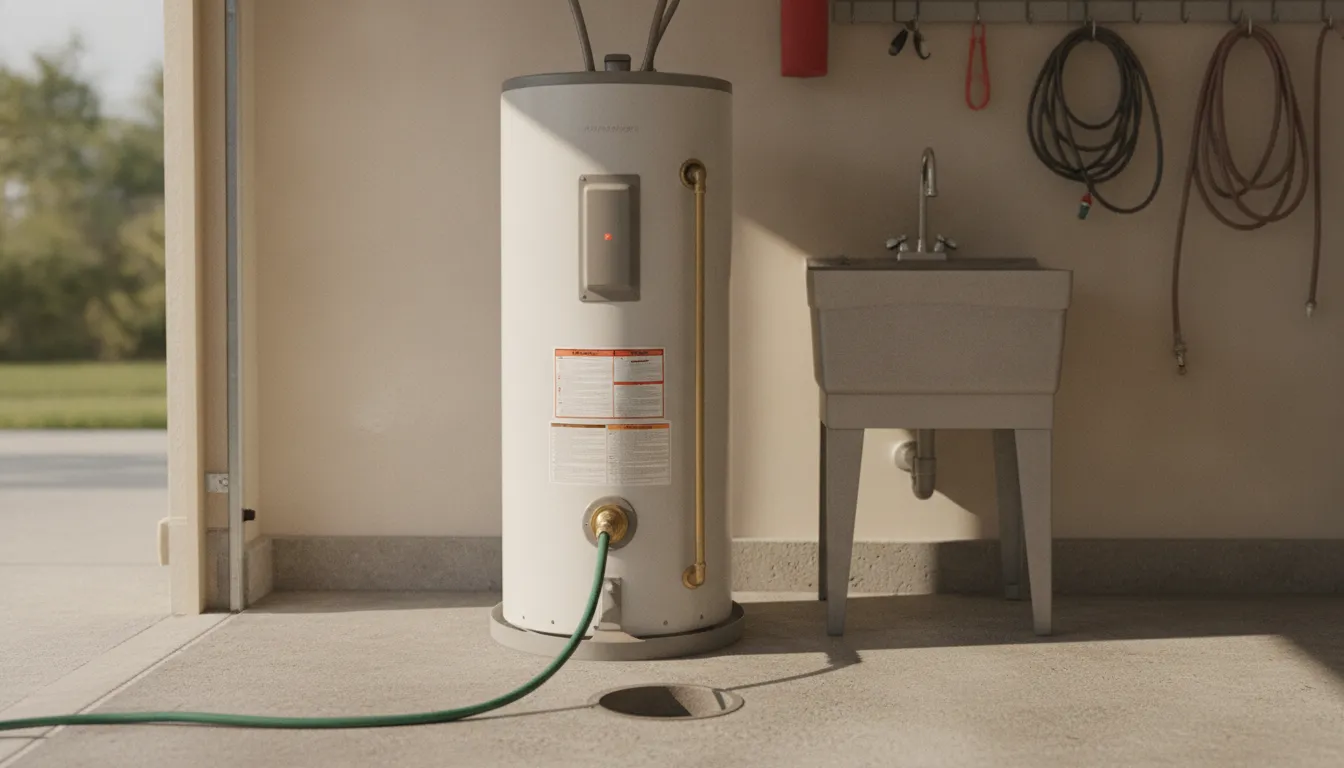
A storage-tank system and a tankless system are different kinds of equipment. Electric, natural gas, and propane options also have different connection and installation considerations. When requesting an estimate, describe the existing heater and the type you are considering, if you know it. If you are unsure, a clear photo of the unit label may help identify it, as long as you can take the photo without removing a cover or touching wiring or fuel connections.
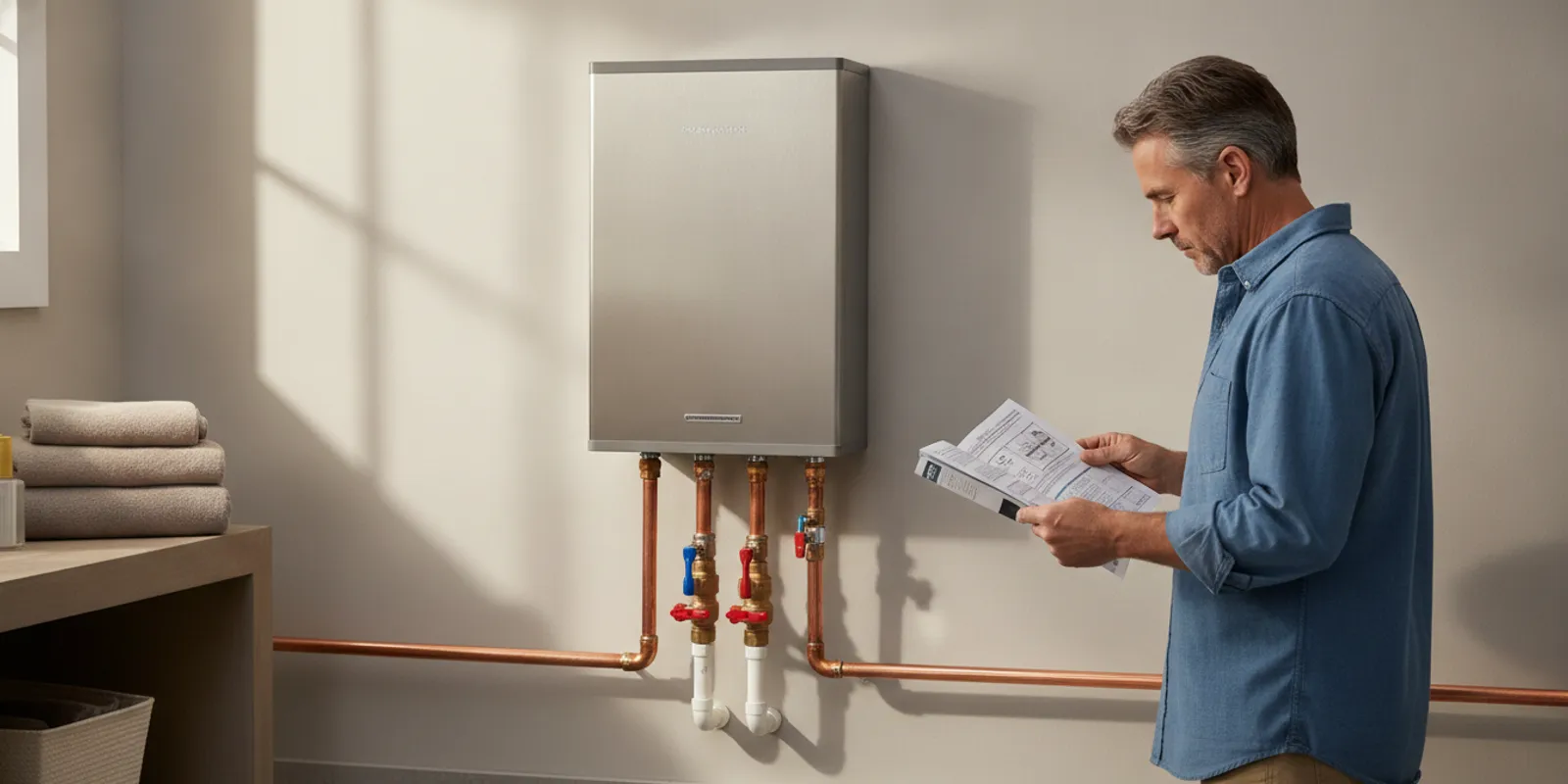
Changing the heater type or fuel can affect more than the purchase price. The plumber may need to assess the water, electrical, fuel, and venting arrangements and the space available for the proposed equipment. Ask which changes are required for the particular installation and which are alternatives you may choose. Do not assume that changing from a tank to tankless is a simple exchange.
Capacity and the building’s demand
The right capacity depends on how a home or business uses hot water. A household’s pattern may involve morning showers, laundry, and dishwashing. A business may have busy periods, several fixtures in use, or demands tied to operating hours. Tell the plumber when hot water is most important and whether the current system falls short during specific periods.
Describe what happens rather than guessing at the solution. For example, note whether hot water runs out after one shower, whether the temperature changes when two fixtures run, or whether a business has trouble during its busiest service period. Those details help frame an assessment. They do not by themselves prove that a larger unit or a different system is the right answer.
How can installation conditions change the quote?
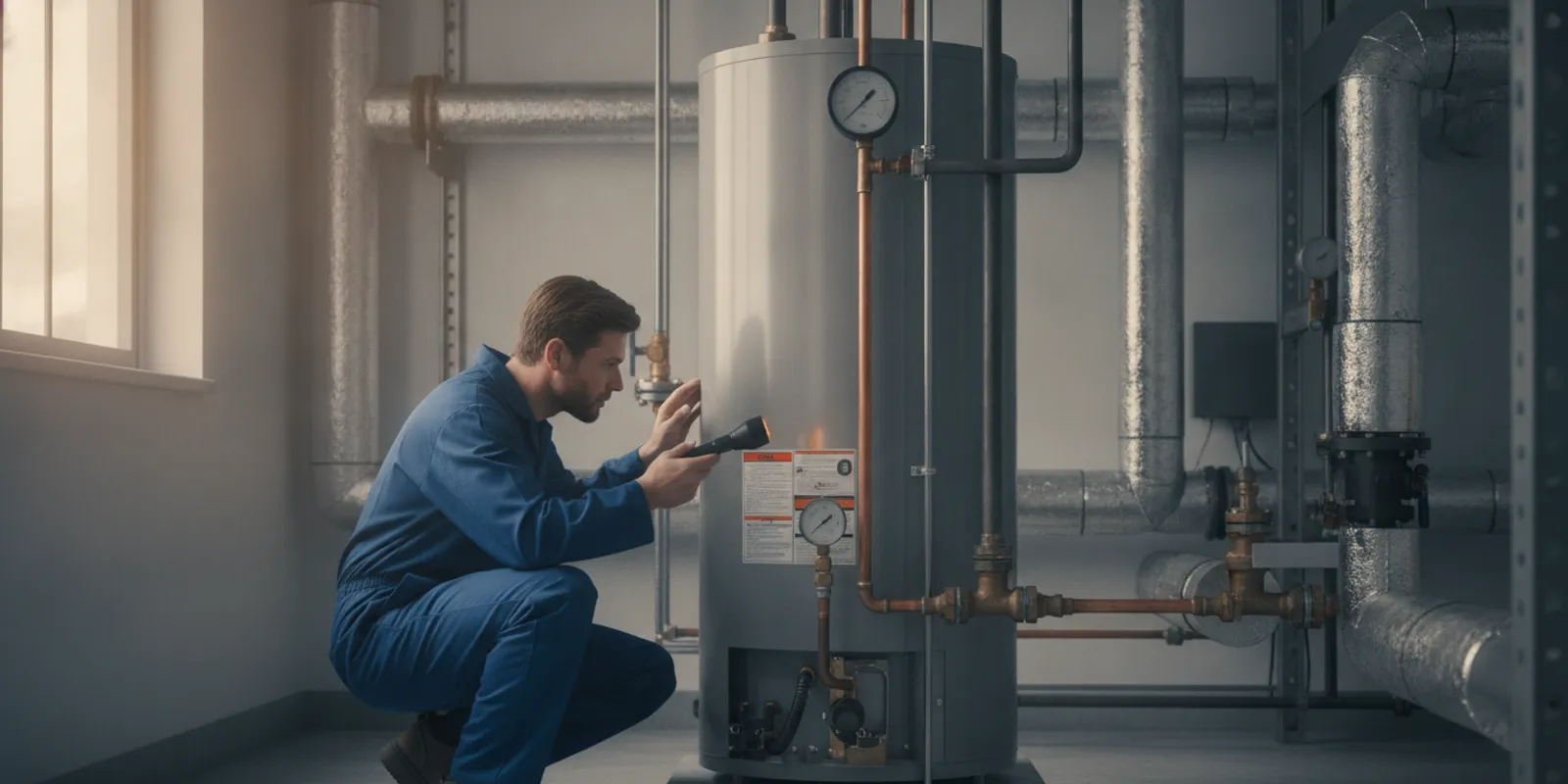
The existing installation and the location of the heater help determine the work involved. Access may be straightforward, or the unit may be in a tight utility space. Connections may suit the proposed equipment, or they may need adjustment. These are property-specific questions, so a quote should identify the work being proposed rather than assume that every installation needs the same extras.
- Access and placement: Can the existing heater be reached and removed safely? Will the proposed unit fit in the available area?
- Water connections: Do the existing piping and shutoff arrangements suit the selected heater, or does the scope include changes?
- Fuel and electrical connections: Does the proposed system match the existing service, or does the work require changes that need to be assessed?
- Venting: For a gas or propane system, does the proposed equipment require a different venting arrangement?
- Removal and disposal: Is taking out the old heater included in the proposed work?
- Permits and inspections: Does the specific project require them, who handles those steps, and are related costs included in the quote?
- Testing and completion: What checks or operating instructions are included when the work is finished?
Use these as questions, not assumptions. Permit and inspection requirements can depend on the work, the equipment, and applicable local requirements. Ask the plumber to explain how any required steps are handled. If an unexpected condition changes the scope, ask for the revised work and price to be explained before approving it.
Does an efficient model always cost less overall?
Different models can have different purchase prices and operating characteristics. A price tag alone does not tell you whether a particular model suits your property’s hot-water demand or installation conditions. First compare equipment that is appropriate for the building and the way it is used. Then ask what the installation includes and what differences matter for your decision.
For a tank model, discuss capacity and where it will be installed. For a tankless model, describe the demand pattern and ask whether the existing connections and venting suit the proposed equipment. If you are weighing options, request an explanation of the trade-offs in plain language. The goal is not to choose the most elaborate model by default; it is to compare suitable options with their full proposed scope.
For general background on energy topics, the U.S. Department of Energy is a government source. That general information cannot determine which heater or installation is right for a particular property. The equipment, demand, and site conditions still need to be considered together.
How do repair and replacement estimates differ?
A repair estimate starts with the reported problem and what an assessment finds. Replacement planning considers the new equipment and the work needed to install it. If the heater is not working as expected, explain the symptoms: no hot water, inconsistent temperature, a visible leak, an unusual sound, or another change. Share the approximate age, model, and fuel type if they are readily available.
Ask what the diagnosis establishes and what work the repair is intended to address. If replacement is also being considered, ask whether both paths are appropriate and what each proposed scope covers. Avoid assuming that a particular symptom always means the same part has failed. A job-specific assessment is more useful than a guess based on a description alone.
If there is a leak or a suspected fuel or electrical issue, do not open equipment covers or attempt work on those connections. Describe what you see when you contact a plumber and ask what to do while arranging help. Hardenburgh Plumbing provides 24/7 emergency plumbing service; that does not mean every issue needs the same response. When you request water heater service, share whether the situation is urgent and what has changed.
What should you compare when you receive quotes?
Compare the scope, not just the total. Two quotes can differ because they specify different equipment, include different installation tasks, or treat permits and removal differently. Before choosing, check whether each proposal answers the same basic questions.
- Equipment: What type, fuel, capacity, and model does the proposal cover?
- Work: Does the price cover removal, installation, connection work, and testing?
- Site changes: Are venting, plumbing, fuel-line, or electrical changes included, excluded, or still subject to assessment?
- Permits and inspections: Are they required for this project, and who is responsible for arranging them?
- Uncertain conditions: What findings could change the scope, and how will the revised work and price be presented for approval?
- Repair versus replacement: If both are being considered, what finding supports each option and what does each include?
Upfront pricing means the technician explains the work and gets approval before starting. It does not make every water heater project the same price. Ask for the proposed work and job-specific price to be clear before you approve anything. If a proposal uses a broad label such as “installation,” ask what tasks that label includes.
For example, imagine two proposals for replacing a similar tank heater. The first names a unit and installation but does not say whether removal, connection changes, or permit handling are included. The second describes the equipment, removal, installation tasks, any connection work, and how required permit or inspection steps are handled. The second proposal may be easier to evaluate even if its total differs, because you can see what the price covers. This example is a comparison method, not a prediction that either scope or price will apply to your property. Ask each provider to clarify gaps so you are comparing complete, relevant options rather than labels alone.
What information should you have ready before requesting an estimate?
A few practical details can make the first conversation more useful. You do not need to diagnose the system yourself. Share what you know, say when you are uncertain, and let the plumber determine what additional assessment is needed.
- Describe the property: Is it a home or a business? For a business, mention the type of operation and the hours or periods when hot water matters most.
- Identify the current heater: Say whether it appears to be tank or tankless and whether it uses electricity, natural gas, or propane, if known.
- Explain the issue or goal: Is this a repair, a replacement, a planned change in heater type, or a project prompted by unreliable hot water?
- Give examples of demand: Note how many people or occupants use hot water, whether several fixtures run at once, and when the current system struggles.
- Share useful equipment details: Provide the approximate age or model if easy to find safely. Do not remove panels to locate information.
- Describe the location: Mention limited access, a tight space, or another visible constraint. Photos can help explain the setup if taken without touching connections or removing covers.
These details are starting points, not a promise that a quote can be finalized without examining the job. If a plumber needs to inspect the heater or confirm connections, ask what that visit will establish. For a replacement, you can also ask how the proposed equipment fits the property’s use and what would need to change before installation.
How does a home project differ from a business project?
The same cost questions apply to both, but the pattern of use can differ. A homeowner might be planning around showers, laundry, and the number of people in the household. A restaurant, office, retail space, medical or dental office, school, warehouse, or hospitality property may have different periods of demand and operating constraints. Do not assume a residential unit or schedule fits a commercial property.
For a business, explain which fixtures or work areas depend on hot water and when demand peaks. Tell the plumber if the heater supports one area or several. Ask what the proposed scope requires and how the work relates to the building’s use. Any scheduling or operational details should be discussed as part of the job; do not assume a particular installation window or completion time without confirmation.
For either kind of property, a short description of the building’s needs can prevent an unhelpful comparison. The lowest equipment price is not a fair comparison if one option is sized or configured for different use, or if one estimate leaves out installation work that another includes.
Frequently asked questions
Can a plumber tell me the price over the phone?
A conversation can establish the basic situation, but the price depends on the equipment and work at the property. A reliable quote should describe the specific repair or installation being proposed and any relevant site conditions.
Is replacing a tank with a tankless heater a simple swap?
Not necessarily. The equipment, demand, connections, venting, and available space need to be considered for the particular property. Ask what changes the proposed option requires and whether those tasks are included.
Are permits and inspections part of every water heater job?
Do not assume that they always apply or that they never apply. Ask whether the specific work requires a permit or inspection and how the quote accounts for those steps.
Should I repair or replace a heater that is not working?
That depends on the assessment, the heater’s condition, and the proposed work. Ask what the findings support. If both repair and replacement are appropriate options, compare their scopes before deciding.
What if I do not know the heater’s model or fuel?
Share what you can identify safely, such as whether it appears to have a tank or the symptoms you notice. Do not remove covers or touch wiring or fuel connections to find details. A plumber can determine what else needs to be checked.
To get a useful estimate, describe the heater, the symptoms or project, and the property’s hot-water needs, then ask for a clear explanation of the proposed work and price before you approve it.