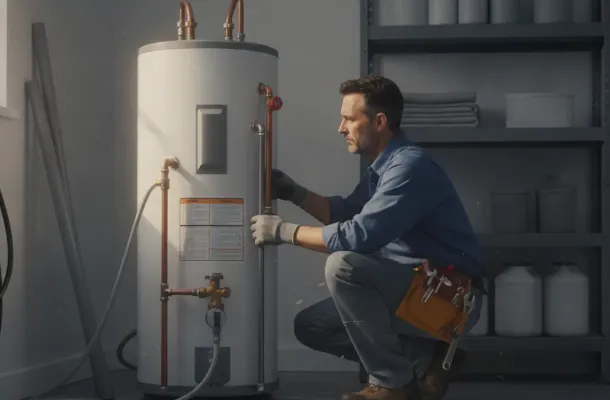
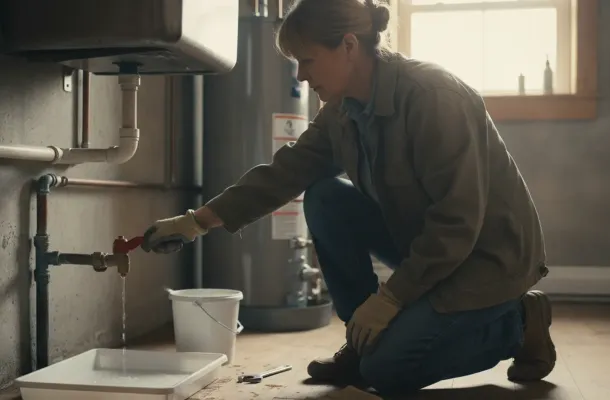
How To Repair Electric Water Heater: Plumbing Fixture Repair Questions for a Boynton Beach Home

If you are wondering how to repair electric water heater problems, begin with safe observations rather than opening the unit. An electric water heater combines high-voltage components, hot water, and a pressurized tank, so a symptom is not a diagnosis. Hardenburgh Plumbing provides residential and commercial plumbing service in Palm Beach County, including tank and tankless water heater repair and installation.
Call to discuss water heater service
What should you check before attempting a repair?
First, describe what changed. Is there no hot water, a shorter supply than usual, water that feels too hot, a new sound, or visible water near the heater? Check whether the issue affects every hot-water fixture or just one. A single fixture problem may originate at its faucet or local piping, while a house-wide change can involve the heater or a shared supply.
Look at the heater from a safe distance. Note any active leak, burning smell, breaker that appears tripped, warning light, or error code. Write down when the issue began and whether anything changed just before it. Do not touch standing water near electrical equipment or remove an access panel to inspect wiring.
- Water near the tank: Treat active leakage as a reason to stop troubleshooting. Keep clear of nearby electrical equipment, especially if the floor is wet.
- No hot water: Power, controls, a heating component, or another fault may be involved. The symptom alone cannot identify the failed part.
- Water that is too hot: Stop using hot water if it creates a scald concern. Do not open the heater to adjust controls.
- A breaker that trips again: Do not repeatedly reset it. Recurring trips need electrical diagnosis.
- New sounds or discolored water: Record what you notice and report it. Neither symptom alone proves which part needs replacement.
How does an electric water heater work?
A typical storage electric heater warms water in an insulated tank with electric heating elements controlled by thermostats. Many models have upper and lower elements, but designs differ. As stored water cools, controls call for heat and the elements warm it again. The wiring, controls, access panels, and repair procedures vary by make and model.
That is why an online description or a single symptom cannot safely prescribe a part. Internal diagnosis may involve confirming power isolation and testing components with appropriate equipment. A switch or breaker position alone does not prove that internal terminals are safe to touch. If you are unsure, leave the panels closed and request professional assessment. The U.S. Consumer Product Safety Commission provides general consumer safety information at CPSC.gov; it is not a substitute for the heater manufacturer’s instructions or a diagnosis of your specific unit. Never use general online guidance to bypass a safety device or work on energized equipment.
Which homeowner checks are reasonable?
Find out whether the issue is limited to one fixture
Briefly check more than one hot-water tap. You do not need to run water for a long time. If just one fixture is affected, tell the plumber which one and whether its cold water works normally. If several fixtures have the same problem, note that pattern too. This simple comparison helps describe the problem without dismantling anything.
Look at the breaker without opening the panel
You can visually check whether the water-heater breaker appears tripped. Do not remove the electrical panel cover, handle exposed wiring, or continue resetting a breaker that trips. If the breaker is off or trips again, stop. A repeated trip can indicate a condition that should be diagnosed rather than bypassed.
Record model and display information
If a manufacturer label or display is visible without moving the heater or removing a cover, record the model and any displayed code. The owner’s manual may explain what a code means and what safety steps the manufacturer recommends. A code that disappears after a reset does not prove that the cause has been corrected. Share the code with the service professional.
Keep people and belongings clear
Keep children away from the heater and do not touch a leaking unit or wet electrical equipment. Avoid draining the tank, disconnecting wiring, replacing an element, or removing a pressure-relief component unless you are qualified and following the manufacturer’s procedure with the right tools. Incorrect work can lead to electric shock, burns, flooding, or equipment damage.
How should you compare possible causes?
Several different conditions can produce similar complaints. Use the distinctions below to report what you observe, not to decide which component to replace.
No hot water at several taps
If the whole home or building has lost hot water, record whether the breaker appears on or off, whether a display shows a code, and when the supply stopped. These observations narrow the description but do not confirm a failed element or thermostat. A professional can inspect the heater and determine whether the cause is electrical, control-related, or something else.
Hot water runs out sooner than before
A sudden change in usable hot water may relate to the heater’s operation, usage, or another condition. Note whether the change happens at predictable busy times or regardless of demand, and whether it began after work on the plumbing or heater. Do not assume the tank simply needs a larger setting; raising temperature without proper guidance can increase scald risk.
Water is too hot or temperature varies
Stop using water that may burn someone, especially where children, older adults, or anyone with reduced sensation may use it. Record which fixtures are affected and whether the temperature changes during use. The control or delivery issue needs assessment; opening the heater or experimenting with settings can create additional risks.
Water appears around the heater
Try to observe, without touching, whether water is actively spreading and where it seems to originate. Water near a tank can have different explanations, and the location alone may not establish the cause. Do not step into water to reach a shutoff or electrical control. If you can safely reach an appropriate shutoff without contacting the unit or standing in water, follow the manufacturer’s instructions; otherwise keep clear and seek guidance.
Noise, odor, or a visible code
Describe the sound and when it occurs. If there is a burning smell, leave the heater alone and request help. A code or sound may point a technician toward an inspection, but should not be treated as proof that a particular component has failed. Avoid repeatedly clearing warnings before recording them.
What changes after a repair or installation?
After service, ask the plumber to explain what was repaired and what signs would mean the original problem has returned. Keep the invoice, model information, and any instructions provided with the heater records. These details help if another symptom appears later and reduce the chance of relying on memory about a prior repair.
Before using the heater again, follow the technician’s directions about when hot water should be available and whether any controls should remain untouched. Do not assume that every repair restores hot water instantly; the time depends on the equipment and the work performed. If the symptom continues, describe exactly what remains: for example, whether there is still no hot water at all, or whether temperature improves but supply runs out early.
For a replacement discussion, ask what unit type and capacity are being proposed and why they fit the building’s needs. A household’s pattern of use differs from a restaurant, office, or other commercial space. Ask which existing connections or conditions affect the proposed work, whether the quoted scope includes removal of the old heater, and what preparation or access is needed. Do not assume that a tank and tankless model have identical installation requirements or that switching types is a simple direct swap.
Also clarify who will handle any follow-up questions and what documentation you will receive. Keep the model and serial information accessible after installation, and review the manufacturer’s operating and safety instructions. These are practical questions for a project-specific conversation, not a reason to diagnose or alter electrical equipment yourself.
What should a repair diagnosis establish?
Before approving a repair, ask what the inspection found and how the proposed work addresses the symptom. If more than one cause is possible, ask what has been ruled out and what could remain unresolved after the repair. A useful explanation ties the findings to the recommended work rather than promising that a part will solve every complaint.
Ask for the job-specific scope and price before work begins. Confirm whether the quote includes the identified parts and labor, and ask whether additional work would require separate approval. There is no one price that fits every model and condition, so a written or clearly explained estimate should relate to the specific heater and diagnosis.
Repair versus replacement depends on the unit’s condition, age if known, model, leak location, and repair history. A leak from the tank itself may lead to a different discussion than a replaceable component issue. Ask the technician to explain the findings and options in plain language, including what is known and what remains uncertain.
Hardenburgh Plumbing offers tank and tankless water heater repair, installation, and replacement. The right service depends on the heater and the diagnosis. You can review the company’s water heater repair and installation information before discussing your specific issue.
When should you stop and call a plumber?
Stop DIY troubleshooting if the heater leaks, a breaker trips repeatedly, there is a burning smell, hot water may be dangerously hot, or the next step would require opening an electrical compartment. Request help if the unit repeatedly loses hot water, a fault code persists, or you cannot identify a safe action. If there is immediate danger, keep people away and contact the appropriate emergency service.
Do not attempt to work on wiring, drain a tank, or remove a relief device as a shortcut. The relief system is a safety component, and electrical isolation and safe handling require the right procedure. If water is near electrical equipment, avoid touching the equipment and do not stand in water to reach it. Keep the area clear and explain what you see when you call.
For general plumbing concerns, see Hardenburgh Plumbing’s residential and commercial plumbing services. The company also describes its contact options for discussing a service request. Availability for a particular location and time should be confirmed when you call.
How can you prepare to request service?
- Write down the heater’s make and model, and its approximate age if you know it. Do not move the unit to find a label.
- Describe the symptom, when it began, and whether it affects one fixture or several.
- Note visible water, odors, warning lights, displayed codes, and whether the breaker appears tripped. Do not remove covers to gather details.
- Say whether the unit is a tank or tankless model and mention recent repairs or plumbing work, if any.
- Ask what diagnostic steps are proposed, what the quoted job includes, and whether you will approve any additional work before it begins.
These details help make the first conversation specific without guessing at the cause. For a home, mention whether hot water is unavailable everywhere or only at one tap. For a business, also explain whether the problem affects a particular suite, work area, or multiple fixtures, and whether normal operations are disrupted. Do not promise or assume a response time; discuss service availability when you call.
Hardenburgh Plumbing serves residential and commercial customers and handles water heater repairs and installations. Call (561) 968-0000 to describe the symptoms and discuss a next step.
Frequently asked questions
Can I replace an electric water heater element myself?
Element replacement involves electrical connections and hot water. The heater must be isolated and serviced according to its manufacturer’s procedure. If you are not qualified and equipped to do that safely, do not open the unit; request professional diagnosis.
Should I reset the breaker if the heater stops working?
You may visually check whether the breaker appears tripped, but do not repeatedly reset it. If it trips again, or if you notice a burning odor, leave it alone and contact a qualified professional.
Does no hot water always mean the heater needs replacement?
No. Several conditions can cause a loss of hot water, and the symptom alone does not show whether repair or replacement is appropriate. Diagnosis and the heater’s condition help determine the options.
What information should I have ready when I call?
Share the heater type, model if available, symptoms, when they began, and any visible warning or leak. Do not remove covers or handle wiring to gather information.
What should you do next?
Keep the unit closed, note what you can safely observe, and request diagnosis when the issue involves leakage, electrical concerns, or persistent loss of hot water. A clear description helps a plumber assess the next step for your electric water heater.