Water Heater Repair in West Palm Beach: When to Call
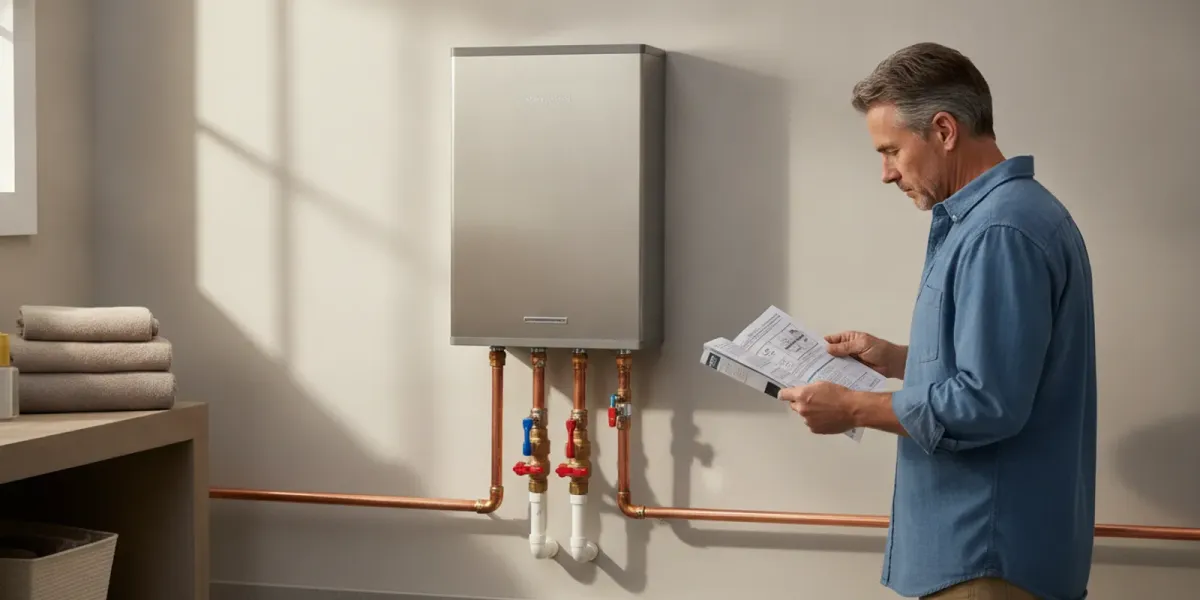
When you search for water heater repair west palm beach, start by noting what changed, where the problem appears, and whether there is any immediate safety concern. A leak, fluctuating temperature, unusual sound, or loss of hot water can have different causes. One symptom alone does not establish whether a repair or replacement is needed.
Call Hardenburgh Plumbing about your water heater
What water-heater symptoms should you pay attention to?
A useful description is specific rather than diagnostic. You do not need to identify a failed part. Record what you notice, when it happens, and whether it affects the whole property or just one fixture. Those details help a plumber understand what to assess.
- Little or no hot water: Note whether the hot water stopped altogether or is simply not lasting as long as usual. Check whether the issue affects multiple sinks, showers, or other fixtures, without opening or adjusting the heater.
- Temperature that changes: Describe whether water starts warm and cools, changes between uses, or varies while a fixture is running. If the issue occurs only at one faucet or shower, mention that distinction.
- Water near the unit: A wet floor, drip, or puddle deserves attention. If you can observe safely, note where water appears to be coming from, but do not touch a hot leak, remove a panel, or reach around wet electrical equipment.
- Unfamiliar sounds: Write down whether you hear a brief or repeated sound and when it occurs. Do not open the heater or try to investigate internal parts.
- Visible damage: From a safe distance, note corrosion, a damaged-looking connection, or a display message. Do not remove covers or handle wiring, fuel lines, or hot components.
Not every hot-water complaint comes from the heater itself. If one fixture is affected while others work normally, say so. The source could be elsewhere in the plumbing or at that fixture, and an assessment is needed to distinguish possibilities. Avoid replacing parts based on a symptom list or a generic online recommendation.
What should you do if there is a leak or possible safety hazard?
Put people’s safety ahead of troubleshooting. Keep away from hot water and from any water near electrical equipment. Do not touch a wet heater, move electrical cords, remove covers, or try to reach a shutoff or control if doing so would put you in contact with water or the appliance.
If you suspect a gas leak, leave the area. Do not operate switches, use a flame, or try to relight the equipment. From a safe location, contact the gas utility or emergency services as appropriate. If water is spreading quickly or creating an immediate hazard, keep people away and seek appropriate urgent help. When you call a plumber, describe the observed condition and any steps already taken; do not attempt work on gas, electrical, or pressurized components.
When there is no immediate danger, a few observations can be useful. Take a photo from a safe distance if it helps show the location of a drip, and note when you first saw it. Do not delay getting help to collect details. If conditions worsen, communicate that change when contacting a service professional.
What can you safely check before contacting a plumber?
Keep pre-call checks visual and simple. You can look at the heater from a safe distance, see whether the issue affects one fixture or several, and note whether the equipment is a tank or tankless model if you already know. If an accessible label is easy to read without moving or opening anything, record the make and model. Do not guess at the unit’s age when you are unsure.
If a display or indicator is visible without removing a cover, write down the exact message or take a photograph. Avoid interpreting a code as a diagnosis. A code can be helpful information for the person assessing the equipment, but it does not by itself tell you which repair is appropriate.
It can also help to prepare a short timeline: when the problem began, whether it is constant or intermittent, and what has changed since then. For a household, note whether more than one person noticed the same issue. For a business, explain which part of the operation depends on hot water and whether the interruption affects a single fixture or a wider area. These are observations, not a substitute for an on-site evaluation.
Do not take apart the unit, bypass a safety control, or work on electrical or gas components. Avoid trying an internet repair involving hot water, pressure, electricity, or fuel. For information on tank and tankless service, see Hardenburgh Plumbing’s water-heater installation and repair services page, then confirm that the work you need can be addressed at your property.
How does a water-heater repair assessment work?
A useful assessment begins with your description and the type of equipment installed. The plumber can ask when the symptom occurs, inspect relevant accessible components, and decide whether further diagnostic work is appropriate. Tank and tankless heaters have different designs, so identifying which kind is present helps frame the conversation. If you do not know the type, simply say so.
The assessment should separate what has been confirmed from what remains a possibility. For example, a visible drip may be confirmed, while its source may still need to be identified. A hot-water interruption may be clear, but a conversation about repair should explain what the inspection found and what proposed work is intended to address. Ask for a plain-language explanation before approving the job.
Florida homeowners who want to check a contractor’s licensing information can use the Florida Department of Business and Professional Regulation website. Hardenburgh Plumbing is a family-owned residential and commercial plumbing contractor serving Palm Beach County and South Florida. Contact the company to discuss the specific equipment and confirm the appropriate service path.
Before work starts, ask what the quoted price covers. Upfront pricing means the technician explains the work and gets approval before starting; the price applies to the specific job, not to every heater or household. Clarify whether the proposed scope includes parts, labor, and any additional work identified during the assessment. If a new condition changes the scope, ask for an explanation and updated approval before proceeding.
When should you compare repair and replacement?
There is no single rule that determines the right choice for every water heater. The equipment’s inspected condition, the issue identified, whether an appropriate repair is available, and your household or building’s needs all matter. A repair discussion may make sense when the problem is identified and the proposed work addresses it. It is reasonable to ask about replacement when the assessment identifies broader deterioration or when you want to compare the scope of repairing the existing heater with installing another unit.
Ask the plumber to connect the recommendation to the findings. Is the suggested work meant to address a specific fault, or is additional diagnosis needed? If replacement is proposed, what equipment type and installation work are included? A clear explanation helps you compare the actual options instead of relying on a general age rule or an online price that may not reflect your installation.
Question to compare: What is being considered?
Repair discussion: Work to address a diagnosed issue or component concern.
Replacement discussion: Selection and installation of a new tank or tankless system.
Question to compare: What should the assessment explain?
Repair discussion: What was found, what remains uncertain, and what the proposed work should address.
Replacement discussion: Why replacement is being considered and what installation requirements apply.
Question to compare: What affects the scope?
Repair discussion: The condition of the existing heater and the work needed for the identified problem.
Replacement discussion: Equipment choice, the property’s setup, and the work needed to install the unit.
Question to compare: What should be in the quote?
Repair discussion: The specific approved repair and what its price includes.
Replacement discussion: The proposed equipment and installation work included in the job-specific price.
Question to compare: What should you ask next?
Repair discussion: What result is the repair intended to achieve, and what happens if the symptom continues?
Replacement discussion: Which options suit the property and what, if anything, is outside the quoted scope?
This table is a way to organize a discussion, not a promise that a particular option is suitable or available. Ask for the findings in plain language and keep a copy of the proposed scope. If the recommendation changes after further inspection, ask what new information led to the change before deciding how to proceed.
What should West Palm Beach homeowners and businesses confirm?
When you contact a plumber, share your location, the symptoms, whether the issue affects one fixture or several, and the heater type if known. Ask whether the company can address the requested work at your property and what information is needed to take the next step. Service availability depends on the request and dispatch circumstances; do not assume that every service is available in every area at every hour.
Hardenburgh Plumbing describes tank and tankless water-heater repair, installation, replacement, and maintenance. The company serves residential and commercial customers in Palm Beach County and South Florida. A call is the practical way to confirm whether the specific work can be handled at your location and to discuss timing. The public phone number is (561) 968-0000.
For a commercial property, include the context a technician may need to understand the request. Explain whether hot water serves a restroom, kitchen, customer area, or another operation; whether the interruption is limited to one fixture; and whether there are access or operating constraints. Commercial hot-water systems can have different requirements from a household unit, so provide the information you know rather than assuming the residential repair process applies unchanged.
If you prefer to send details in writing, use the Hardenburgh Plumbing contact form. Include a concise description and a way to reach you. Do not include sensitive information that is not needed to explain the plumbing concern. The company can confirm the next step and whether it can assist with the request.
What questions can help you make a decision?
Before authorizing work, keep the conversation focused on your actual heater. These questions can help clarify the recommendation:
- What did the assessment confirm, and what is still uncertain?
- Is the proposed work a repair, replacement, or an additional diagnostic step?
- Which part of the equipment or installation is the work intended to address?
- What exactly is included in the quoted price, and will work begin only after I approve it?
- If repair and replacement are both options, what are the differences in scope for this property?
- Are there safety precautions I should follow while waiting?
- What should I do if the symptoms change before the scheduled service discussion?
These questions do not require you to know how the heater works. They help you understand the proposed work, its limits, and what information the recommendation is based on. Save the estimate and any notes about the equipment. If the concern is not resolved, a clear record of the original symptom and approved scope can make the follow-up conversation more specific.
Contact Hardenburgh Plumbing about your water heater
Frequently asked questions
Should I turn off the water heater if it is leaking?
Do not approach a leak if doing so would put you near hot water, wet electrical equipment, or another hazard. Avoid removing a cover or handling controls and connections. If there is an immediate safety risk, leave the area and seek appropriate urgent help. Otherwise, call a plumber and describe where you see water, if you can tell safely.
Can one cold faucet mean the water heater has failed?
Not necessarily. If other fixtures still have hot water, report that difference. A problem affecting one fixture may have a source other than the heater, and an assessment can help identify what to inspect.
Does a repair quote tell me whether replacement is better?
A quote should explain the proposed work and its job-specific price. The broader decision depends on the inspection findings, the condition of the equipment, and your needs. Ask for a comparison of repair and replacement scope when both are being considered.
Does Hardenburgh Plumbing publish a standard water-heater repair price?
No universal rate is stated here. Pricing is specific to the job. Ask what the quoted work includes and approve the work before it begins.
Where can I read about the company’s water-heater services?
Visit the water-heater service page for information about tank and tankless installation, repair, replacement, and maintenance. Confirm the details for your equipment and location when you contact the company.
A clear symptom description and a careful assessment can help you understand whether repair, replacement, or further diagnosis is the appropriate next conversation for your West Palm Beach property.


