
Serving Palm Beach County

Available 24/7 - Give us a call 561 968 0000
how to identify polybutylene pipes

How To Repipe A House With Pex: Warehouse Plumbing Maintenance Questions for Facility Managers

Knowing how to repipe a house with PEX starts with understanding the existing pipes, building layout, and how people use water. In an occupied warehouse, a sound plan also accounts for restrooms, break rooms, cleaning needs, tenant access, and any production process that relies on water. PEX is one possible material; choosing it does not replace a site-specific assessment.

Call to discuss a repipe assessment

What does a PEX repipe involve?

Repiping replaces some or all of a building’s water supply piping. PEX is flexible plastic tubing used to distribute water. Hardenburgh Plumbing describes PEX and copper as material options for repiping, including polybutylene replacement. The appropriate material and scope depend on the piping and conditions found during assessment.

A repipe differs from fixing one accessible leak. Work may include routing new supply lines, making connections to fixtures and equipment, creating access to concealed piping, and coordinating water shutoffs. The scope should explain which areas are included and which existing lines will remain. Do not assume every project needs the same route, openings, duration, or restoration.

What should happen before approving the work?

Begin by identifying the existing pipe type and assessing whether repair or repiping is appropriate. Hardenburgh Plumbing offers a free inspection to identify pipe type and assess repipe needs. Its published repiping information describes discussing PEX or copper options and notes that HOA approval may apply in some settings. For a commercial building, gather available plumbing plans, access procedures, and operational constraints before finalizing a scope.

Define the boundaries of the project

Ask whether the proposal covers the whole building or specific branches, floors, suites, or fixtures. Clarify whether hot and cold supply piping are both included. Ask the contractor to mark boundaries on a plan or list the rooms and equipment covered. If some pipes are excluded, identify them and understand why they are outside scope. This prevents a partial replacement from being mistaken for a whole-building repipe.

For a house, note bathrooms, kitchen, laundry, water heater, and any additions or detached areas. In a warehouse, include shared restrooms, offices, break areas, and service spaces. If multiple tenants use separate areas, make sure the proposal distinguishes shared plumbing from tenant-specific branches. Walk the list room by room and mark each fixture as included, excluded, or still needing assessment. For example, if a laundry branch is outside the planned work, ask whether it remains on the existing system and how that affects the project boundary.

Map access and water use

Walk the site with the plumbing contractor. Identify mechanical rooms, ceilings, walls, storage, occupied offices, and restricted spaces that may affect access. Share safety procedures, delivery schedules, and times when water is critical. Make a list of essential water uses, such as restrooms, employee kitchens, wash stations, cleaning areas, or processes. This helps the contractor and facility manager discuss sequencing and planned interruptions.

Do not promise tenants a particular shutdown window until the project plan establishes it. Instead, collect affected areas and operating needs, then request a written interruption plan. For a home, consider household routines, access to bathrooms, and whether someone needs to be present while work areas are accessed. A useful planning note identifies the fixture, the people who rely on it, the hours it is needed, and a contact who can confirm any change to access.

Ask about permits and inspections

Repiping may require permits and inspections, depending on the work and local requirements. Hardenburgh Plumbing’s repiping information describes permits and rough-in and final inspections as parts of the process. Ask who will obtain applicable approvals, which inspections apply, and how inspection timing affects concealed work or restoration. Confirm project-specific permit charges in the quote rather than assuming a universal fee.

Florida’s official building-code information describes the Florida Building Code and its adoption and updates. Review the state’s code resource at Florida Building Code resources, and ask the contractor or local building department which current requirements apply to the property. The resource is general information, not a substitute for job-specific permitting guidance.

How is a PEX repipe carried out?

  1. Assessment and scope: The contractor reviews the piping and discusses whether repair or repiping is suitable. The written scope defines included areas, material, and assumptions.
  2. Planning: The parties review routes, access, shutoffs, building rules, approvals, and sequencing. Communicate the confirmed plan to affected occupants.
  3. Access and installation: Workers reach relevant piping and install the agreed replacement lines and connections. The route and amount of opening depend on the building.
  4. Testing and inspection: The system is checked as required for the job, and applicable inspections are coordinated. Ask how checks and approvals will be documented.
  5. Return to service and closeout: Confirm what must happen before water service is considered restored, who will be notified, and what patching or finish work remains.

This is a general framework, not a guaranteed schedule or identical sequence for every property. Layout, access, permit steps, and findings during work can change the plan. Request project-specific timing and communicate only confirmed details to occupants. Before work begins, assign responsibility for updating tenants or household members if the sequence changes; this avoids multiple people relaying different versions of the plan.

What should a facility manager ask about disruption?

  • Water interruptions: Which areas will lose water, when is each interruption expected, and who will receive notice?
  • Work hours and access: Which areas must be cleared, and what site procedures must workers follow?
  • Tenant coordination: Who will send updates, and how will shared restrooms or kitchens be handled?
  • Inspection dependencies: Which approvals or inspections must happen before concealed work or service restoration?
  • Protection and cleanup: How will active work areas, stored materials, and debris be managed?
  • Restoration: Does the quote include closing openings, drywall repair, painting, or other finishes?

Keep one contact path for updates and record agreed notices. If a process depends on water, explain what it uses and when it must operate. Ask how the sequence addresses that constraint; do not rely on an informal assumption about a brief shutdown or an exact completion time. When several departments share a restroom, identify a manager who can distribute confirmed updates and flag conflicts promptly.

How should you compare PEX and copper?

Hardenburgh Plumbing describes PEX and copper as repiping options. Compare the proposed work for the specific building rather than relying on a blanket claim that one material is always preferable. Ask for the reasoning behind the proposed choice in light of the existing system, route, connections, and applicable requirements.

Questions to ask about PEX

Ask where the tubing will run, how it connects to the existing system and fixtures, what access is needed, and how transitions to other materials are handled. Request an explanation of how the proposal accounts for building conditions and applicable requirements. For a warehouse, also ask how the planned route interacts with occupied areas and site procedures. Ask how the contractor will identify the new lines and describe any maintenance or access considerations that matter for the property.

Questions to ask about copper

If copper is also being considered, request the same detail: areas included, route, connections, access, shutoffs, approvals, testing, and restoration. Comparing two proposals is useful only when they cover the same work and disclose their assumptions. A lower initial quote may not be directly comparable if it excludes branches, access work, or finish restoration.

Compare the scope, not just the material name

For either option, ask what piping will be removed or abandoned, what new connections are included, and how the finished system will be checked. Find out whether changes discovered after opening walls require a revised quote and written approval. A material label alone does not tell you how much of the building is addressed, how disruptive access may be, or what closeout work is included.

One practical way to compare proposals is to make a side-by-side checklist. Put the rooms and branches on the left, then record each contractor’s stated material, access assumptions, shutoff plan, inspection steps, and finish work. Mark any blank or vague item as a question rather than treating it as included. If one proposal covers the whole building and another covers only selected branches, clarify the difference before comparing quoted totals.

What should the written scope include?

Before approving work, make sure the document answers the practical questions that matter to the property:

  • Which pipes, rooms, and areas are included, and what is excluded?
  • What material and routing are proposed, and what conditions could change the plan?
  • What access, openings, and water interruptions are anticipated?
  • Who handles permits and coordinates required inspections?
  • What testing, service restoration, and closeout steps are included?
  • Are drywall, patching, painting, and other finish repairs included or excluded?
  • What is the quote for this defined job, and what changes require renewed approval?

Read the assumptions alongside the inclusions. For example, a proposal might describe new piping to listed fixtures while excluding concealed damage or finish repairs. Ask what happens if the route cannot be used as planned, how the change will be explained, and whether work waits for written approval. A clear change process helps both the property owner and contractor distinguish the original agreed work from a later decision.

For a broader overview of the company’s work, see plumbing services. If the assessment identifies polybutylene, review the information on polybutylene pipe replacement. Risk should be evaluated from the actual pipe condition and the customer’s insurer; do not treat a particular insurance outcome as automatic.

What can change the plan after work begins?

Conditions behind walls or above ceilings may differ from what is visible during an initial review. Existing connections, unexpected routing, limited access, or building requirements can affect the work. If a finding changes the agreed scope, ask for an explanation, updated cost, and approval before additional work proceeds. This is especially important when several tenants or departments share the affected supply.

A simple decision sequence can help: pause at the newly discovered condition, ask the contractor to explain its effect on the route or scope, request the revised work and cost in writing, then identify who has authority to approve it. In a multi-tenant property, confirm whether the owner or manager must also notify occupants before access or water plans change. Keep the updated scope with the original proposal so the closeout record reflects what was actually authorized.

A facility manager can help by sharing records, identifying critical water uses, arranging access, and keeping stakeholders informed. A homeowner can make access easier by clearing the planned work area and identifying fixtures or rooms that need attention. These steps do not guarantee a project duration, but they help surface constraints early and make decisions clearer.

How might planning differ between a house and a warehouse?

The core decisions are similar: identify what piping is present, establish the scope, select a material with the contractor, arrange approvals, and plan testing and closeout. Coordination differs because a warehouse may have more occupants, separate suites, restricted work areas, and business functions that rely on water. A house may have fewer stakeholders but still needs a clear plan for bathroom access, kitchen use, and household schedules.

For example, if a warehouse has offices, a shared restroom, and a cleaning station on different branches, the manager can ask the contractor to identify which branches are included and whether work can be sequenced by area. The manager should not assume that sequencing eliminates shutoffs; the contractor needs to confirm the arrangement. In a home, a similar planning exercise might list each bathroom and appliance so the proposed route and periods without water are understood before approval.

In a house, the practical checklist can include pets or children who need to stay clear of work areas, the location of stored items beneath access points, and which bathroom is essential during work. In a warehouse, add delivery windows, security access, tenant contacts, and any equipment or cleaning task that cannot be moved without notice. These are planning details, not promises about the method or duration. Share them early so they can be considered while the route and sequence are being discussed.

When comparing proposals, both audiences can use the same checklist: scope boundary, material, access, interruptions, permit responsibility, inspection steps, testing, restoration, and change approval. The property type changes the questions about access and communication, not the need for a complete written plan.

Frequently asked questions

Can every house or warehouse be repiped with PEX?

No material should be assumed suitable for every building. The existing pipes, proposed route, connections, site conditions, and applicable requirements should be assessed before a material and scope are selected.

Does a PEX repipe always require opening walls?

Access needs depend on the building and proposed route. Ask which walls, ceilings, or other areas may need to be opened and whether closing or repairing those areas is included in the written scope.

How long will a repipe take?

Timing depends on the property, scope, access, operating constraints, and approvals. Request a project-specific schedule and confirmed water interruption plan rather than relying on a general duration.

Is the inspection free?

Hardenburgh Plumbing offers a free inspection to identify pipe type and assess repipe needs. That offer does not mean every diagnostic or plumbing service is free.

Call Hardenburgh Plumbing about a repipe assessment

A careful assessment and a written scope help homeowners and facility managers compare options, coordinate access, and understand what approval covers before a PEX repipe begins.
how to identify polybutylene pipes

What to Expect When Repiping a House

If you are researching what to expect when repiping a house, begin with an assessment of the existing pipes and the reason replacement is being considered. A repipe is more than installing new lines: the plan may involve deciding between a repair and broader replacement, choosing a route and material, arranging access, discussing permits and inspections, and planning around water interruptions. The right scope depends on the home and the plumbing conditions found there.

Call to discuss a pipe inspection

What happens during the initial pipe assessment?

The first step is to identify the pipe type and understand the symptoms or concerns. A leak, recurring plumbing problems, visible corrosion, or a known polybutylene supply system may prompt questions about replacement. None of those details alone determines that an entire home needs a repipe. The condition, layout and accessibility of the piping matter, as does whether the concern is confined to a particular section.

Hardenburgh Plumbing offers a free inspection to identify pipe type and assess repiping needs. It is a focused assessment, not a blanket free whole-house diagnostic. The aim is to understand the pipe material and whether repair or repiping should be considered. If there is an active or hard-to-locate leak, a separate water leak detection assessment may help clarify where the issue is before a larger scope is discussed.

Before the assessment, write down the symptoms and relevant history. For example, note which fixtures are affected, whether the issue happens at certain times, and when you first noticed it. Gather repair records, prior leak reports, and any documents that identify the pipe material. If you are planning a renovation or have an HOA approval process, mention that early. These details help keep the conversation focused on your home rather than on general assumptions about a material or age of a building.

It can also help to prepare a short list of practical questions: which areas will be inspected, what evidence supports the recommendation, what access might be needed, and what happens next if you decide to proceed. If you are not sure whether the problem is a single leak or a broader piping concern, say so. The inspection should help define what is known and what still needs investigation.

How do you decide between a repair and a repipe?

A localized defect may call for a localized repair. A wider replacement may be considered when pipe material, condition or repeated issues point to a system-wide concern. Ask the plumber to connect the recommendation to findings in your home. The explanation should distinguish the section that needs attention from the rest of the system, and clarify whether a proposed scope is a repair, partial replacement or full repipe.

For a home with polybutylene, ask what the inspection found and what it means for your specific plumbing. The condition and risk should be discussed in context; failure is not certain, and insurance decisions vary by insurer and policy. Hardenburgh Plumbing’s polybutylene replacement information can help you prepare questions about the material and possible replacement.

Before approving work, request a written explanation of the recommended scope. It should identify the piping areas and fixtures included, the proposed material, access expectations, and any work that is excluded. Ask what would trigger a change in scope and how an unexpected condition will be handled. Comparing two proposals is easier when each describes the same areas and responsibilities, rather than relying only on a final price.

Which pipe material should you discuss?

PEX and copper are options described for repiping by Hardenburgh Plumbing. The appropriate choice depends on the building, installation conditions, applicable requirements and the project proposal. Ask why the proposed material suits your home and how new lines will connect to plumbing that remains in place. A material name by itself does not explain the route, access needs or the full scope of installation.

Use these questions to make the comparison specific:

  • What material is included in the written proposal, and why is it being recommended for this home?
  • Will any existing piping remain, and where will new and existing lines connect?
  • How will the proposed route reach each fixture, and how will the lines be protected?
  • Are there HOA requirements or other approvals to address before work starts?
  • What project details could change the material choice or the scope?

Do not assume that one material automatically makes a project less disruptive or less costly. The route, number of fixtures, building construction, access and restoration needs all affect the work. Ask the contractor to explain the tradeoffs in the context of the actual home, and record the selected material and any limits in the proposal.

What planning happens before installation?

After you understand and approve the proposed scope, preparation and scheduling can begin. Repiping may require access through walls or ceilings. Ask which rooms or surfaces may be opened, whether access can be limited to planned locations, and how the crew expects to protect nearby belongings and surfaces. Move furniture or stored items only after you know which areas need to be clear. If the home is occupied, discuss how people will move through the work area.

Clarify what the proposal says about surface restoration. The available company information does not establish that drywall patching or painting is included in every repipe. Ask whether patching, texture, paint or other finish work is included, excluded or handled by another contractor. If any of those tasks are outside the plumbing scope, confirm who will arrange them and when they can happen. A clear answer can prevent a difference in expectations after the pipes are installed.

Permit requirements depend on the project and applicable local rules. Hardenburgh Plumbing describes a process that may include permits and rough-in and final inspections. Ask who coordinates permit steps, which inspections apply to your project and how those steps affect timing. For Florida building-code resources, consult the Florida Building Commission and confirm project-specific requirements with the relevant local permitting office. Do not assume that every home follows an identical approval sequence.

Plan for water service interruptions before work begins. Ask when water may be shut off, how long each interruption is expected to last, and how service will be restored at the end of a work period. If residents, tenants or a home-based business need access to water at particular times, explain that in advance. The project plan should make clear what the household can expect and whom to contact if the schedule or water status changes.

For a household with children, older adults or someone who relies on water for daily care, identify essential needs before setting the work sequence. For a property with tenants, communicate the expected access and interruption details through the appropriate property contact. These preparations do not change the plumbing scope, but they make it easier to coordinate the work and respond calmly if a planned step takes a different order.

What should you expect during the work?

The installer accesses the existing supply lines, places new piping along the approved route and connects the system to fixtures. The sequence varies with the home’s layout, the agreed scope and the access available. Keep a copy of the proposal nearby so you can compare questions with the work that was approved. Identify a point of contact for questions and ask how progress updates will be shared.

Before work starts, ask what should happen if the crew finds concealed damage, an obstruction or a route that differs from the plan. Upfront pricing means the technician explains the work and gets approval before starting. If a new condition requires a scope change, ask for an explanation of the change and any price effect, then approve it before additional work proceeds. Price is specific to the job, so a generic online figure is not a substitute for a project proposal.

It is reasonable to ask how the crew will keep track of open access points and protect the work area. Confirm whether the household should keep people or pets away from particular rooms and how materials or tools will be managed around occupied spaces. Avoid making assumptions about the precise daily sequence: the project plan and the conditions found during installation will guide that sequence.

If the approved route or included fixtures seem different from what you understood, pause and ask for clarification. A simple written note of a change, the reason for it and who approved it can make later closeout clearer. Do not treat a conversation about a possible change as approval to proceed with work that has not been explained.

How do inspections and closeout work?

Depending on the project, rough-in and final inspections may be part of the process. Confirm what each inspection is intended to review and whether water can be used normally at each stage. Ask who will tell you when an inspection is scheduled and what happens if a required step needs follow-up. These details are project-specific, so make sure the answer reflects the permit and scope that apply to your home.

At closeout, ask the plumber to walk through the completed work and explain any operating notes or remaining follow-up items. Clarify whether any access openings still need finishing and who is responsible for that work. Keep the proposal, change approvals, permit documents, inspection records and relevant invoices together. These records help show what was installed, what was included and when the work took place.

It can be useful to keep a basic home plumbing file after the project. Include the date of the repipe, the material and areas described in the scope, inspection information and the contractor’s contact details. If you later need service or sell the property, these documents can help explain the work to another professional or interested party. Keep copies rather than relying on a single paper document stored at home.

What insurance paperwork should you clarify?

Do not treat a plumber’s assessment as a guarantee of insurance coverage. Coverage depends on the policy, the facts of a loss and the insurer’s review. If you are considering a claim or have questions about a policy, contact your insurer directly. Ask what information it needs, whether it wants documentation before work begins and how it wants you to handle urgent repairs. The insurer, not the plumbing contractor, makes coverage decisions.

Ask the plumbing contractor for clear, factual project records, such as the pipe type observed, areas inspected, recommended scope and work performed. Keep dated photographs and copies of correspondence with your own records. If an insurer requests documents, provide accurate information and follow its instructions. Do not ask the contractor to promise that an insurer requires a replacement or that a claim will be approved.

If you need to speak with the insurer before approving non-urgent work, ask what timing or documentation it recommends. If there is an active plumbing problem that needs attention, tell the insurer what is happening and ask how to document the situation while following its guidance. Keep separate notes about the plumbing findings and the insurer’s directions. That separation helps avoid turning an inspection opinion into a statement about what a policy covers.

What should you ask before approving a repipe?

Use a final review to make sure the proposal answers practical questions, not just the broad decision to replace pipes. You can ask:

  • What condition or evidence supports the recommended scope?
  • Which rooms, fixtures and pipe runs are included, and which are not?
  • What material will be installed, and what existing piping will remain?
  • What access openings are expected, and who handles patching or finish work?
  • Who coordinates permits and any required inspections?
  • When may water be interrupted, and how will service be restored?
  • How will unexpected conditions, added work and price changes be explained and approved?
  • What documents will be provided at closeout, and what records should you keep for an insurer?

Imagine that a proposal covers new supply lines to the listed fixtures but excludes painting and does not yet specify how an unexpected obstruction will affect the route. Before approving it, ask for those limits to be made clear. You can then decide whether you need another contractor for finish work and understand how the plumbing scope could change. This is more useful than comparing that proposal with a second estimate that describes a different set of rooms or responsibilities.

A clear written scope is also a helpful reference during the job. If you want general information about the company’s plumbing work, visit the plumbing services page. For questions about a particular home, discuss the condition found and the proposed next step rather than relying on a general description to decide whether a repipe is needed.

Frequently asked questions

How long does repiping a house take?

There is no single duration that applies to every home. Layout, access, project scope, approvals and inspection timing can affect the schedule. Ask for a project-specific timing estimate and expected water interruptions before work is arranged.

Will every wall need to be opened?

Access depends on how the plumbing is routed and how the home is built. Ask which areas are likely to be opened and whether the proposal includes closing or finishing them. Do not assume that access or restoration will be the same in every home.

Does a repipe guarantee an insurance claim will be approved?

No. An insurer makes coverage decisions based on the policy and circumstances. Request factual project documentation and speak directly with your insurer about its requirements.

Can I choose between PEX and copper?

Ask which materials are appropriate for your home and have the contractor explain the reasons, installation route and any differences in the proposed scope. The choice should be considered in the context of the actual project, not a general rule.

Contact Hardenburgh Plumbing to discuss your project

A careful assessment, a specific written scope and organized project records can help you understand the work and plan around it from the first inspection through closeout.

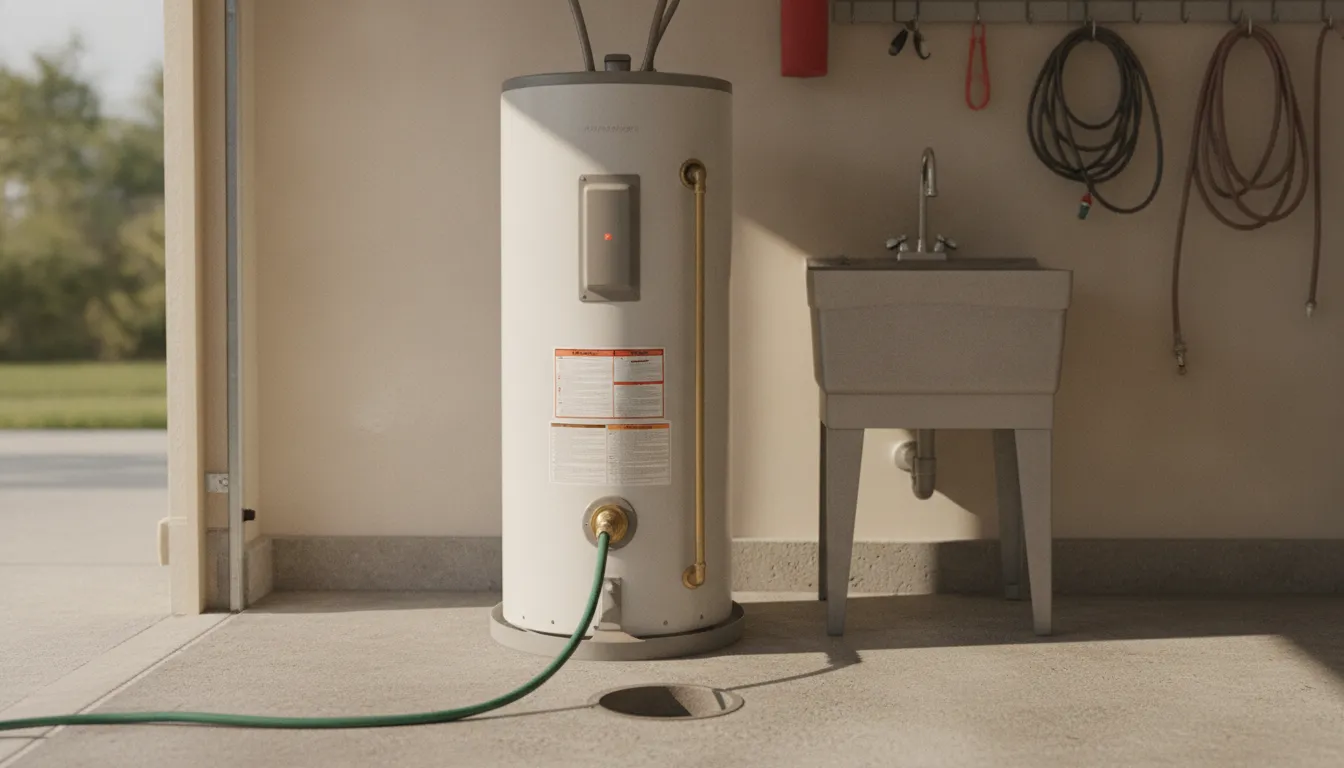
Garden hose attached to the drain valve of a residential tank water heater

How Long Does It Take to Repipe a House?

If you manage a medical or dental office and you searched how long does it take to repipe a house, the house answer will not plan your week. A clinic stays open around patients, sterilization, and shared risers. The useful question is which suites lose water, for how long, and what the written scope says will be finished before water returns. Commercial plumbing in Boca Raton is the service path for that building-level assessment. A house timeline is a different job.

Call (561) 968-0000 to discuss an office plumbing assessment

How long does it take to repipe a house if you run a clinic?

A single-family repipe is usually one household, one water service, and one set of fixtures. A medical or dental suite may share a riser, a water heater, or a shutoff with neighbors in the same building. Closing one exam room does not mean the rest of the floor still has water.

Published house ranges, often described as a day or several days, come from residential jobs with different access and occupancy. They are not a bid for your office. Hardenburgh Plumbing does not publish a standard completion time, a same-day promise, or a company-wide warranty. The schedule belongs in a written scope after someone has seen the piping, the access, and how the office actually uses water.

Homeowner duration variables, including home size and a day-by-day residential sequence, belong in a separate homeowner article that is still queued. This page does not repeat those ranges. Use it for the questions an office manager should ask before a house number is treated as a clinic plan.

  • Which suites, sterilization areas, and restrooms lose water, and which stay on.
  • Whether the shutoff is the suite, a floor, or the whole building.
  • What has to be moved, covered, or kept sterile while walls or ceilings are open.
  • Who in the building, landlord, or association has to approve access and notices.

Count the planning steps in order before anyone names a start date. A house average skips this sequence.

  1. List every room that uses water during patient hours.
  2. Mark which of those rooms can pause and which cannot.
  3. Find out whether the shutoff is yours alone or shared.
  4. Ask what must be opened to reach the pipe.
  5. Ask which permits apply at this street address.
  6. Ask for the water-off window in hours, by phase.
  7. Ask what “done” includes: tested pipe, closed openings, and water restored.

What to ask about water-off windows

Ask for the water-off window in hours for each phase, not a single project length. A short office might be piped in phases so water returns before the next patient block. A larger building might be sequenced by riser or by wing so the practice is not dark for the whole job. Phasing can make the calendar longer on purpose. The point is predictable outages, not the shortest total.

Write down the answers before you approve work:

  • What time water goes off, and what time the plumber expects it back, on each working day.
  • Which fixtures are included: sinks, toilets, a dental vacuum or water line, an ice maker, or a break-room tap.
  • Whether a temporary water setup is part of the scope or out of scope.
  • What happens if an inspection, an access problem, or a hidden condition pushes the window.
  • How staff and patients will be told, and who sends that notice.

Do not treat a verbal “about a day” as the plan. Ask for the window in the proposal, with the suites named. If the building has more than one tenant, ask whether other occupants share the same shutoff. Their schedule can limit yours even when your suite is small.

Questions about occupied suites and clinical use

An occupied office changes the work more than square footage does. Open ceilings over a waiting room, a procedure room, or a sterilization area are not the same as open drywall in an empty house. Ask which openings are likely, whether they can be done after hours or between sessions, and whether the scope includes closing those openings or only the piping.

Clinical water use is part of the planning conversation, not a reason to invent a medical protocol. Tell the plumber which rooms cannot lose water during patient hours, which equipment is connected to the building supply, and whether a landlord or equipment vendor has to be present. Hardenburgh can inspect the plumbing and explain a repair or a repipe. It does not set infection-control policy for your practice. Follow your own clinical procedures and the equipment maker’s instructions for any device that uses water.

Useful notes to bring to the visit:

  • A simple suite sketch with sinks, toilets, and any plumbed equipment.
  • Hours when the office can be without water, and hours when it cannot.
  • Known leak locations, stains, or prior pipe repairs.
  • The name of the property manager or landlord who controls risers and ceilings.

Access, building rules, and notices

Duration often waits on access, not on how fast pipe can be cut. A locked ceiling, a slab line that cannot be seen, or a riser in another tenant’s space can add days before piping starts. Ask the plumber to separate three clocks: time to get permission and a permit path, time the water is off, and time to close openings and pass inspection.

For a Boca Raton office, confirm who has jurisdiction before anyone promises a start date. The City of Boca Raton and unincorporated Palm Beach County do not use the same counter. Palm Beach County’s Building Division permit center handles permit applications for the unincorporated area and points applicants to its ePZB portal, as described by the Palm Beach County permit center. If your suite is inside the city, ask the city building division what it requires. Do not assume a county form covers a city address.

Also ask:

  • Whether the proposal is a repair of a section or a broader replacement, and what will be left in place.
  • Which pipe material is proposed, and why it fits this building. PEX and copper are both discussed on real jobs. The choice is project-specific.
  • What the landlord must approve in writing, including ceiling access and after-hours work.
  • What notice tenants or patients should receive, and how far ahead.

Polybutylene, if it is present, is a condition to identify on site. It is not, by itself, a promise that an insurer will require replacement or change a premium. Those questions go to that building’s insurer. Identification and a written replacement scope for Boca Raton polybutylene are already covered at planning a polybutylene repipe in Boca Raton.

What a written scope should say before you book

Ask for a scope you can hand to a landlord or office manager. It should name the areas, the water-off windows, the material, the access, and what is not included. Restoration, patching, painting, and moving clinical equipment are easy to assume and easy to leave out. If they are not listed, ask.

Florida law describes a plumbing contractor as a contractor who may install, maintain, repair, alter, or extend plumbing, including water supply systems, under section 489.105 of the Florida Statutes. That definition is not a promise that every person on a crew holds the same license. Ted G. Hardenburgh is an active Florida Certified Plumbing Contractor, license CFC048265, associated with Hardenburgh Plumbing, Inc. Confirm the license on the state lookup if your landlord asks for it.

Before you approve, the scope should answer:

  • The suites and fixtures in this phase, and the suites left for later.
  • The expected water-off window each day, and whether water is restored at the end of the day.
  • Permit and inspection steps the plumber will handle, and any step the owner must file.
  • How hidden conditions will be priced and how they can change the window.
  • What “done” means: piping tested, openings closed or left for others, and water back on.

Upfront pricing at Hardenburgh means the technician explains the work and gets approval before starting. It is not a published rate, a trip fee, or a financing offer. There is no charge to come out for an estimate, and some estimates can be done by video. That visit is not a free whole-office diagnostic, and it is not a confirmed appointment until you have spoken with the office.

How this differs from a home repipe plan

Keep the two conversations separate so the wrong timeline does not land on the schedule.

  • Who is there: House plan: one household. Office plan: patients and staff.
  • Shutoff: House plan: usually one service. Office plan: it may be shared.
  • Must stay on: House plan: kitchen and baths. Office plan: named clinical rooms.
  • Who approves: House plan: the homeowner. Office plan: often the landlord.
  • Duration source: House plan: the homeowner article. Office plan: a written water-off window.

Who is in the building

A household can often pause for a work day. Patients and staff may need water back before the next session.

Where the shutoff sits

A house usually has one water service. An office may share a valve with other tenants, so their hours can limit yours.

What must stay in service

A home plan thinks about kitchens and baths. An office plan has to name clinical rooms and any equipment connected to the building supply.

Who approves access

A homeowner can decide. An office often needs a landlord, a property manager, or an association before a ceiling or a riser can be opened.

Where the duration answer belongs

House variables stay in the queued homeowner article. This page asks for written water-off windows after someone has looked at the suite.

  • Occupancy. A house can often pause for a day. A clinic may need water back before the next session, or it may need after-hours work.
  • Shutoff. A house usually has one service. An office may share a valve with other tenants.
  • What must stay in service. Sterilization, procedure rooms, and plumbed clinical equipment need to be named. A home repipe plan does not list them.
  • Who approves access. A homeowner decides. An office often needs a landlord, a property manager, or an association.
  • Where the duration answer lives. House variables stay on the homeowner article. This page is the list of office questions to settle first.

The live service page for business plumbing in Boca Raton covers restaurants, offices, retail, backflow, grease traps, and water heaters. It does not spell out a repipe duration. Use it to reach the commercial crew, then use the questions above so the visit starts with your water-off limits instead of a house average.

Weekend visits are not something to advertise as automatic. Emergency plumbing and a booked visit are different. Ask what can be scheduled around your hours rather than assuming a Saturday crew.

Questions to bring to the call

A short list is enough. You do not need a construction background to ask it.

  • Can you see the piping that serves this suite, or is part of it concealed in a slab or another tenant’s space?
  • Is the recommendation a local repair or a larger replacement, and what would be left in place?
  • Which rooms lose water, for which hours, on which days?
  • Will water be restored at the end of each work window?
  • What has to be open, and who closes it?
  • What permits or inspections apply at this address, and who files them?
  • What will the written scope and the price approval include before work starts?

If the answer to the first question is “we have not seen it,” there is no reliable duration yet. That is the point of the assessment. The free offer is a pipe-type and repipe-needs inspection, not a promise that replacement will be recommended.

Frequently asked questions

How long does it take to repipe a house if the building is a medical office?

A house timeline does not transfer. Ask which suites lose water and for how many hours each day. The calendar depends on access, shared shutoffs, inspections, and whether the office has to stay in use. Get that in a written scope after the piping has been seen.

Can the office stay open during the work?

Sometimes, if the work can be phased and water returns on a schedule the practice can live with. Ask for that schedule in writing. Do not assume every room can stay in service, and do not assume the building must close. The visit has to sort out which is true here.

Does a repipe include patching and painting?

Only if the scope says so. Ask whether openings will be closed by the plumber, by another trade, or left open. Restoration is a common gap between a piping price and a room that is ready for patients.

Will insurance require the office to repipe?

Not as a rule you can take from a plumbing article. An insurer decides from the policy and the building. Ask the plumber for inspection notes and a written scope, then ask the insurer what it needs. Do not treat a contractor’s observation as a coverage decision.

Who should I call for a Boca Raton office?

Start with commercial plumbing services in Boca Raton or call (561) 968-0000. The Boca Raton and West Palm Beach addresses on the contact page are not walk-in storefronts. Use the phone or the contact form to request the assessment.

Call (561) 968-0000 to request an office pipe assessment

Bring your hours, the rooms that cannot lose water, and the landlord’s access rules. Hardenburgh Plumbing can explain whether a repair or a repipe fits what is actually in the building, and what the water-off window would be, before you put a house timeline on the office calendar.

how to identify polybutylene pipes

Planning Boca Raton Polybutylene Pipe Replacement

A Boca Raton polybutylene pipe replacement is a planned change to the water supply lines a written scope names. It is not a drain job, and it is not a guess based on the year the house was built. Hardenburgh Plumbing writes that scope for Boca Raton and nine nearby cities. Use it to compare the proposed replacement with your needs. The plan should say which lines are included, which material is proposed, and which rooms may be opened.

A pipe-type inspection can show whether polybutylene replacement is the right next step for your Boca Raton home.

Request a repipe estimate or call (561) 968-0000.

This guide is for a homeowner, buyer, or property manager who already wants the replacement planned. You will see what a Boca Raton polybutylene pipe replacement scope covers, how PEX and copper differ on the proposal, and what access changes the job. You will also see the cities this service includes and the questions worth asking before deciding whether to proceed. It does not promise that every older home needs new pipe, and it does not predict what an insurer will do.

What a Boca Raton Polybutylene Pipe Replacement Scope Includes

Polybutylene is flexible plastic used for hot and cold water supply. It was not used for drains, waste, or vent pipes. A class-action notice in Cox v. Shell Oil described plastic or metal insert fittings and installations from January 1, 1978, through July 31, 1995. Interior pipe is often gray. An underground service can be blue, gray, or black. Rigid white or off-white pipe is a different plastic, so color is only a clue.

The replacement plan is about the supply lines the scope includes. A full pipe replacement replaces the supply piping named in that plan. A partial replacement covers one run, such as a water-heater supply or a kitchen branch. A local repair replaces a damaged section or a fitting when the rest of the system stays as it is. Those are three different jobs, and the proposal should say which option you are considering.

If you are still trying to recognize the material, start with how to identify polybutylene pipes. The service page for polybutylene pipe replacement in Boca Raton describes the replacement visit. This article is the planning step: what the written scope should contain before anyone opens a wall.

Boca Raton and the Nine Nearby Cities

For polybutylene re-piping, Hardenburgh Plumbing has confirmed service in Boca Raton and nine nearby cities. Those cities are Delray Beach, Boynton Beach, Lake Worth, and West Palm Beach. They also include Royal Palm Beach, Palm Beach Gardens, Wellington, Loxahatchee, and The Acreage. A yes at the city level means the service is available there. It does not mean every neighborhood is dispatched at every hour, or that a booked visit and an emergency call follow the same path.

Boca Raton is the center of this article because many homes from that building era still have original supply lines in walls, slabs, and attic runs. The same scope questions apply in the cities above. A Delray Beach condo with one accessible kitchen branch is not the same job as a Wellington home with several repaired fittings. A house in The Acreage with a long underground service is different again. The city list sets where the service is offered. The written scope sets what gets replaced.

Scope line.What it should name.Why it changes the job.
Lines included.The supply runs in the plan, and any runs left out.A kitchen branch is not a whole-house repipe.
Replacement material.PEX or copper, and where each is proposed.The material is a job decision, not a slogan.
Fixtures and shutoffs.Water-heater connections, hose bibs, and the main shutoff, if they are included.Leaving them out leaves old connections on new pipe.
Access.Walls, ceilings, attic, crawlspace, or slab areas that may be opened.Access changes the work more than the city name does.
Water during the job.When water will be off and which fixtures will be out of service.You can plan around the outage once the timing is understood.

Emergency plumbing is separate from a booked repipe. If water is actively spreading, call (561) 968-0000 and say it is an active leak. A planned repipe estimate can use the same number or the contact form. Booked visits and emergency calls are different requests, so say which one you need.

PEX, Copper, and the Pipe Replacement Scope

PEX and copper are both replacement materials Hardenburgh Plumbing installs for this work. PEX is cross-linked polyethylene tubing covered by ASTM F876. Hot- and cold-water distribution systems using it are covered by ASTM F877. Those standards describe the product. They do not make one material the right choice in every wall. Copper remains an option when the plan calls for it. The proposal should name the material for your job so you can review the choice.

Ask which lines were included and which were excluded. Ask whether the plan includes the water-heater connections, hose bibs, and the main shutoff. Ask how water will be turned off and which fixtures will be out of service. Ask which walls or ceilings may be opened. Those answers keep a polybutylene conversation from turning into a blank check.

Open walls are part of some plans and not others. A crawlspace or an attic run may be reachable without cutting finished rooms. A line buried in a Boca Raton slab is a different conversation, and it may need leak detection before anyone talks about opening the floor. If the symptom is water under the slab with no visible supply line, start with slab leak detection or water leak detection. Find the source before anyone opens walls for a repipe.

Request a written scope of the proposed work and a job-specific price for that scope so you can compare the plan with your needs. There is no rate card in this article because the price belongs to that job.

What the Plan Does Not Promise

A repipe plan is not a company-wide warranty, a guaranteed arrival time, or a promise of same-day completion. The FAQ note about a 20-year epoxy line is not a Hardenburgh-wide warranty. Ted G. Hardenburgh is an active Florida Certified Plumbing Contractor, license CFC048265, associated with Hardenburgh Plumbing, Inc. That license does not mean every person on a crew is the qualifying contractor.

Polybutylene risk has to be qualified by the pipe that was seen and by that customer’s own insurer. Failure is not guaranteed. This article does not claim that insurers refuse coverage or raise premiums as a category. Replacement is also not something that happens because an insurer calls and requires it. If a carrier, a buyer, or a property manager asks for documentation, the useful record is the written scope for the work.

Reach Hardenburgh Plumbing by phone or the contact form. Drain cleaning, sewer repairs, and water-heater work can show up in the same house, but they are different jobs. A slow drain does not identify polybutylene. Polybutylene was a supply-pipe product.

Questions to Settle Before You Proceed

What should the written scope include?

It should name the supply lines included, the lines left out, the proposed material, and the access. It should also say whether the water-heater connections, hose bibs, and main shutoff are part of the job, and when water will be off. Review that scope before deciding whether to proceed. The written scope should be clear before any work starts.

Does a Boca Raton polybutylene pipe replacement include nearby cities?

Yes for the cities confirmed for this service. Those are Delray Beach, Boynton Beach, Lake Worth, West Palm Beach, Royal Palm Beach, Palm Beach Gardens, Wellington, Loxahatchee, and The Acreage. Boca Raton is the focus. Confirm the address when you call. City-level availability is not a promise of immediate dispatch to every street.

Which pipe replaces polybutylene?

The repipe plan uses PEX or copper. PEX tubing used for this kind of water distribution is specified under ASTM F876, with distribution systems covered by ASTM F877. The proposal should name the material for your job so you can review the choice.

What should I ask about the estimate?

For an estimate, ask for the proposed scope and job-specific price in writing so you can review them before deciding whether to proceed. Ask what the written scope includes, what access may be needed, and which material is proposed. The scope and price belong to that job.

Will an insurance company require the replacement?

An insurer’s request depends on that customer’s own policy and on the pipe that was seen. This article does not predict a premium, a claim decision, or a required replacement.

What should I do if water is leaking right now?

Stop using the affected fixture if you can, shut the water off only if you know the correct valve and can reach it safely, and call (561) 968-0000. If you are unsure which valve to turn, leave it and call. Active-leak dispatch is not the same thing as a booked repipe estimate.

Request a Boca Raton Polybutylene Pipe Replacement Scope

Call Hardenburgh Plumbing at (561) 968-0000 or use the contact form at the contact page. Say you want a written polybutylene pipe replacement scope, name the city, and say whether water is leaking now. Who gives a drip? We do. Ask for an explanation of the proposed scope and the job-specific price before deciding whether to proceed.

Primary sources for the pipe facts are public, not competitor sites. The Cox v. Shell Oil settlement notice describes the 1978 to 1995 installation window and the pipe colors. NIST’s report on polybutylene water pipe describes the material used in water distribution. ASTM F876 and ASTM F877 are the PEX tubing and distribution-system specifications. Service-area and offer details come from Hardenburgh Plumbing’s confirmed polybutylene city list and public contact page.

Plumbing Pipes Service

Plumbing Pipes Advice

Plumbing Pipes:  A  Few Necessary Tips

Plumbing pipes problems require proper repairs from an experienced do-it-yourselfer or a licensed plumber. Often, a sound piece of insight is necessary to start off on the right foot, and the advice in this article is a good place to find such an insight.

If a plunger is ineffective, you might be able to do the trick with a bucket of warm water. This procedure can be repeated if the water level again returns to a level that is too low.

If your house uses well water and there is orange or pink stains in tubs or sinks, it’s because of the iron level in the water. Luckily, you can quickly fix this by adding some water softener to your supply. You can pick up this product at a lot of stores, or have it shipped out to you.

Continue reading

Call us now