Older homes have a charm and character that is often appealing to would-be buyers. In Florida, homes that were built in the mid-to-late 80s and early 90s have a potential disaster lurking beneath the drywall, floors, and ceilings. Polybutylene pipes were used prolifically during this timeframe because of their flexibility in installation and relatively low cost in relation to other piping solutions at the time. In addition to the perceived benefit of the pipes, there was also massive residential expansion in South Florida during this period.
The horror stories from older Florida homes flooding mostly stem from the catastrophic and silent failure of these grey poly pipes. In this guide, we will show you how to identify polybutylene pipes, where you can start looking for them, and what your next steps should be in solving the problem once and for all.
What is Polybutylene and Why Is It a Risk?
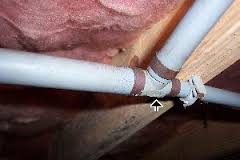
Often shortened to just “Poly”, Polybutylene is a form of resinous plastic that developers and plumbers used extensively in the form of water supply piping from the late 1970s right up until the mid-1990s. Initially, the pipe was hailed as a solution for the future since it was so cost-effective, flexible, lightweight, and much easier to install than any other available solution for plumbers at the time.
The Sunbelt states saw a significant boom during this time, and there were millions of homes being built across the United States, most of them using poly piping. Unfortunately, the poly dream was, if you’ll excuse us, a pipe dream. The late 1980s ushered in new reports of failed plumbing systems at alarming rates, and the culprit was poly. The failures were so widespread that a massive class-action lawsuit was launched, and poly was removed from the building code in the mid-90s.
Why Poly Pipes Fail in Florida
If your home is connected to a municipal water supply, then you are receiving water from a municipal water treatment plant. The fundamental reason why poly pipes fail is because of a chemical reaction that takes place between one of the chemicals required to treat water and the polybutylene. Chlorine is used widely throughout the world to clean and disinfect water to make it safe for human consumption. As the treated water flows through the pipes, the chlorine present in the water starts to react with the plastic and causes it to become brittle and flake away on the inside of the pipe.
Over time, tiny microfractures occur in the pipe wall and slowly erode its structural integrity. The result is that the pipe will eventually split or snap at the connectors, causing instantaneous flooding. Since all of this is happening on the inside of the pipes, the damage can’t be seen from the outside, and it is a silent, ticking time bomb. Left unchanged, these pipes will eventually flood your home, since their failure is guaranteed.
The Threat to Florida Homes
The Sunshine State has many wonderful attributes that make it such a popular destination. Still, there are a few reasons why homes in Florida, especially South Florida, face such a risk with poly pipes.
High Ambient Temperatures
The high ambient temperatures in Florida are wonderful for a day at the beach, but they can cause significant issues for poly pipes. The increased temperatures in attics and crawl spaces accelerate chemical reactions, increasing the rate of plastic degradation.
Water Chemistry
Since most of Florida’s water is hard water, meaning that it has a higher pH level, or is more alkaline, municipal treatment plants need to add more chlorine for the sanitation levels to remain effective. This increased chlorine concentration in the water speeds up the chemical reaction, making the poly piping brittle faster.
How to Identify Polybutylene Pipes in Your Home
There is no need to embark on a full-scale demolition just to identify if and where you have poly pipes installed. You just need to know what to look for and where to look for it, and we’re going to tell you!
What Do Poly Pipes Look Like?
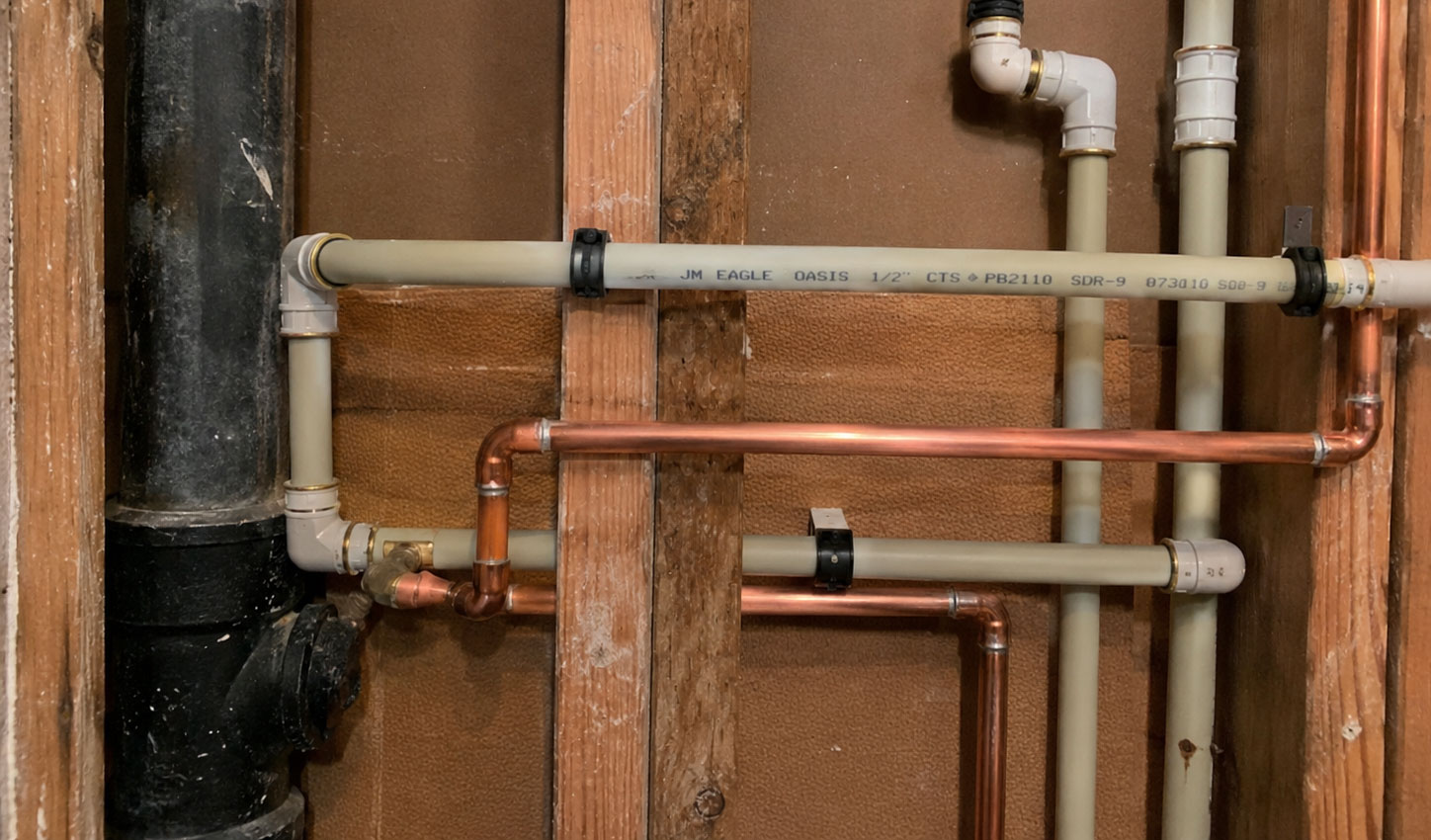
The easiest way to identify a potential poly pipe is to look at its color and flexibility. We’ve put the key things to identify the pipes in this useful table:
| Color | In the vast majority of cases, poly pipes are a light gray color, although there are cases where they have been used as the main water supply from a municipal source, where they are usually blue. |
| Material | Polybutylene is a flexible, smooth plastic that should not be confused with modern PEX piping, which is also a smooth plastic but far more rigid. PEX is usually red, bright blue, or opaque white in color. PVC piping is also extremely rigid and a smooth plastic, but is used almost exclusively for drain pipes |
| Fittings | By looking at where any pipe connects to a fitting or joins another pipe, you will notice a copper, brass, or gray plastic ring that crimps the connections together. |
| Stamping | The definitive test for identifying the pipes is the manufacturing stamping on the side of the pipe. This is printed along the entire length of the piping at regular intervals. If you see the stamp PB2110, it’s poly piping. |
Where to Look for Polybutylene Pipes
Seeing through walls is unfortunately not an option, but you can get into the areas where you may find these pipes hiding pretty easily.
Under Sinks
For all sinks, whether in the kitchen, laundry, or bathroom, see if you can identify the pipes that feed the faucets. Sometimes a copper pipe or some other flexible pipe is attached to the faucet itself to install a shut-off valve. This can be a false negative. Follow the pipe into the wall and see if you can see the tell-tale gray plastic pipe there.
The Water Heater
Find out where the water heater is and have a look at the inlet and outlet lines that come off the top of your water heater installation.
The Washer Box
Some laundries have a recessed valve box where the washer hoses connect to the water lines. Look inside that box to find the gray pipes.
Attics and Crawlspaces
If your home has an accessible attic or crawlspace, look for exposed gray lines with that signature stamping, running to your bathroom and kitchen areas.
Water Meter Box
Locate your water meter box, usually near the street. Look at the pipe that goes towards the house. If it’s a flexible grey or blue plastic pipe, then it’s likely that your main supply line is polybutylene.
What To Do If You Find Poly Pipes
If your inspection reveals gray or blue plastic lines with the PB2110 stamp, do not panic, but don’t ignore it either. Take the following concrete steps to protect your property.
Locate the Main Shut-off Valve
Ensure every adult in the home knows exactly where the main water shut-off valve is located and how to close it. If a pipe bursts, shutting the water off within seconds can mean the difference between a damp floor and tens of thousands of dollars in structural damage.
Schedule a Professional Plumbing Inspection
Have a licensed plumber inspect the system. A reputable South Florida plumber will know exactly where to look and can check the condition of the visible fittings to provide an accurate assessment of the polybutylene problem.
Plan for a Polybutylene Pipe Replacement and Repiping Project
The only way to deal with a polybutylene pipe problem is to repipe your entire home. If even one pipe is left over, your home is at risk of an uninsurable catastrophe. The pipes will be replaced with reliable materials such as PEX or copper, ensuring that you and your family stay safe and dry. While a polybutylene pipe replacement project is a significant investment, the rewards far outweigh the costs.
Polybutylene Pipe Replacement in Boca Raton
Now that you know how to identify polybutylene pipes in your home, it’s time to contact Hardenburgh Plumbing. Ever since we started business in 1989, we’ve been friends, neighbors, and partners in ensuring the well-being of the plumbing in your home.
Expert plumbing solutions are just one call away! Contact us at 561-968-0000 to schedule the inspection for your polybutylene repiping project.