Backflow testing checks whether the device protecting your property and the public drinking water supply from contaminated reverse-flowing water works. In Florida, required backflow assemblies at non-residential connections need annual testing. That commonly includes commercial properties, restaurants and other businesses, as well as many properties with irrigation systems or dedicated fire lines.
If you have received a notice saying your property needs backflow testing, it may sound concerning. However, the test is a routine safety and compliance check made to confirm that water can travel into your property without contaminated water flowing back into the public supply.
For business owners and property managers, understanding why the device is there, what the test involves, and what happens if it fails makes the process much easier to manage.
Why Backflow Testing Matters
Under normal conditions, water should move in one direction: from the public water system into your building or property. A backflow preventer is a mechanical assembly installed in the water line to help make sure it stays that way.
The problem occurs when water pressure changes.
A water main break, firefighting activity or another sudden drop in municipal water pressure can create backsiphonage, effectively pulling water in the wrong direction. Backpressure can also occur when pressure inside a private plumbing system becomes greater than the pressure in the public supply. Palm Beach County Water Utilities identifies both situations as potential causes of contaminated water entering the drinking water system.
The backflow prevention assembly acts as a barrier against that reverse flow.
Mechanical assemblies contain valves, seals, springs and other working components. Those parts can wear, become fouled or stop sealing correctly over time. That is why simply seeing a backflow preventer on the property is not enough. Backflow testing confirms that it can actually perform its job when needed.
What Is a Cross Connection?
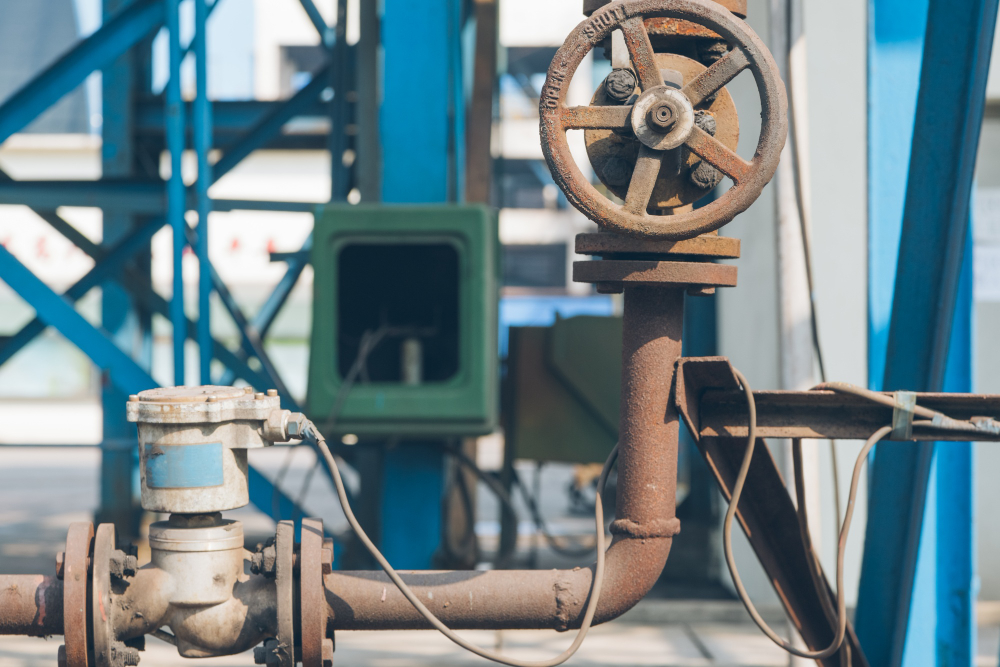
A cross connection is any point where the drinking water system can potentially come into contact with another water source, substance or system that may not be safe to drink.
An irrigation system is an easy example. Water sitting in irrigation piping may be exposed to soil, fertilizers, pesticides or other contaminants. A commercial building may have equipment, cleaning systems or other plumbing connections that create a similar risk. Fire protection systems can also contain standing water or, in some applications, additives.
If conditions cause water to reverse through one of these connections, contaminants could potentially travel toward the drinking water system.
Florida therefore requires community water suppliers to maintain cross-connection control programmes and ensure appropriate protection is installed at service connections that create significant hazards. The Florida Department of Environmental Protection specifically identifies dedicated fire protection systems and irrigation piping systems among the connections where protection is generally necessary.
Which Florida Properties Need Annual Testing?
Florida Administrative Code requires backflow assemblies that are required at non-residential service connections to be tested after installation or repair and at least annually thereafter. Residential requirements can differ, including biennial testing for certain required residential assemblies, so property owners should follow the schedule set by their water supplier.
In practice, annual backflow testing commonly applies to properties such as:
- Commercial buildings, offices, stores and multi-tenant properties
- Restaurants and other food-service businesses
- Properties with irrigation or sprinkler systems where backflow protection is required
- Commercial properties with dedicated fire protection lines
- Medical, industrial and other facilities with higher-risk plumbing connections
- Properties with auxiliary or reclaimed water systems
In Palm Beach County, Water Utilities requires testable backflow prevention assemblies for non-residential services and sends customers notifications when their annual test is due. The county also specifies backflow protection for water-based fire systems, with the type of assembly depending on the system.
Because the exact requirement can depend on the property, assembly, and water utility, the simplest approach is to take a testing notice seriously rather than assuming it does not apply to your building.

What Happens During a Backflow Test?
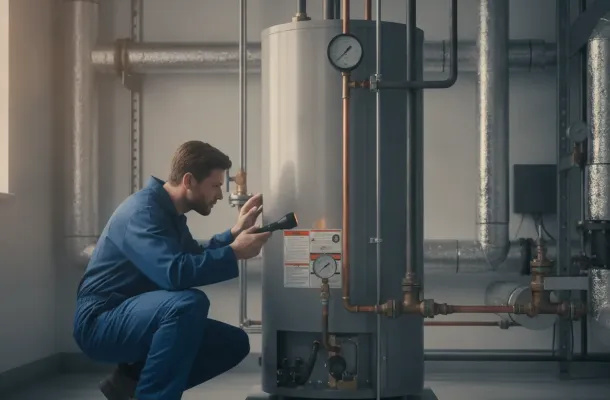
A certified technician performs the test using calibrated gauge equipment. The purpose is to measure how the assembly’s internal components respond to changes in pressure and whether its check valves and relief components operate within the required performance standards.
Water service may need to be temporarily interrupted while the assembly is being tested, although the exact procedure and duration depend on the device and property.
Once the backflow testing is complete, the technician records the results. When the assembly passes, the required test or maintenance documentation can be submitted according to the local utility’s compliance process.
For Palm Beach County Water Utilities customers, the customer is responsible for arranging the annual test through an appropriately qualified contractor and ensuring the required report reaches the utility.
The important point is that this is not simply a visual inspection. The technician is checking whether the mechanical assembly can maintain the protection it was installed to provide.
What If the Backflow Preventer Fails?
A failed test does not automatically mean the entire assembly has to be replaced.
Backflow preventers are mechanical devices, so components can wear or become obstructed. Depending on the condition of the assembly, the appropriate solution may be a repair followed by another test. If the device is severely damaged, deteriorated, or no longer suitable for the application, replacement may make more sense.
Florida rules require assemblies that fail the applicable performance standards to be repaired, and Palm Beach County requires an assembly to be retested after repair or replacement.
This is where choosing the right plumbing company can simplify the process. You do not want to arrange a backflow testing appointment, learn that the device failed, and then have to start looking for another contractor to deal with the problem.
Hardenburgh Plumbing provides backflow device installation, annual testing, certification, repairs, and replacement as part of our commercial plumbing services. For assemblies within our scope of service, that means one licensed plumbing company can identify the problem and handle the necessary corrective work instead of simply testing the device and sending you elsewhere.
Keep Your Property Compliant and Your Water Supply Protected
If you have received an annual testing notice, scheduling the inspection before the deadline is the easiest way to avoid unnecessary compliance problems. In Palm Beach County, customers who do not meet the testing requirement can receive follow-up notices and ultimately face possible interruption of water service if compliance is not achieved.
Regular backflow testing is ultimately about more than paperwork. It confirms that an important safety device between your property and the public water system is still doing the job it was designed to do.
Reliable Plumbing, Honest Service. Who Gives A Drip? We Do!
Hardenburgh Plumbing brings more than four decades of plumbing experience to customers throughout Palm Beach County, with the ability to test, diagnose, repair and replace backflow prevention devices as needed. Whether you manage a restaurant, office, retail property or another commercial facility, the team can help you understand what your property requires and take care of the next step.
Contact us or call Hardenburgh Plumbing at 561-968-0000 to schedule service or discuss your annual backflow requirement.