How to Plan a Commercial Plumbing Inspection
Knowing how to plan a commercial plumbing inspection starts with a useful description of the building and the problem—not a guess about what is broken. A little preparation helps the plumber focus the visit and helps your team make decisions afterward. Whether you manage an office, restaurant, retail space, school, warehouse, medical office, or hospitality property, keep the facts and access details together.
Call to discuss a commercial plumbing concern
What should you decide before arranging the inspection?
Begin with the reason for the visit. “We need someone to look at the plumbing” is an understandable starting point, but it leaves the key question unanswered. Are you responding to an active leak, a recurring drain backup, inconsistent hot water, a concern found during renovation, or a general review of a particular system? Describe what prompted the request and what you hope to learn.
Separate urgent symptoms from planned assessment. Active water loss, sewage backup, or loss of essential water service deserves prompt attention. A non-urgent review of visible plumbing conditions can be arranged differently. Hardenburgh Plumbing provides 24/7 emergency plumbing service. When you call, explain what is happening now; do not assume a particular arrival time or completion window.
Identify the people involved in the decision. The person who reports an issue may not be authorized to approve work. A facilities manager may arrange access, while an owner, corporate office, or property manager approves the proposal. Tell the plumber how approval works so the visit does not end with useful findings and nobody available to decide what happens next.
- State the main concern and when it began.
- Say whether it is active, intermittent, or recurring.
- Name the person coordinating the visit and the person who can approve work.
- Explain any deadline or operating constraint, without assuming a repair can be completed by then.
What building information should you gather?
Prepare a short building profile. Include the property type, approximate age if known, number of floors, and affected areas. A restaurant, office, retail space, school, warehouse, medical office, and hotel can use plumbing differently. Explain the building’s actual use and operating pattern rather than expecting its category alone to tell the story.
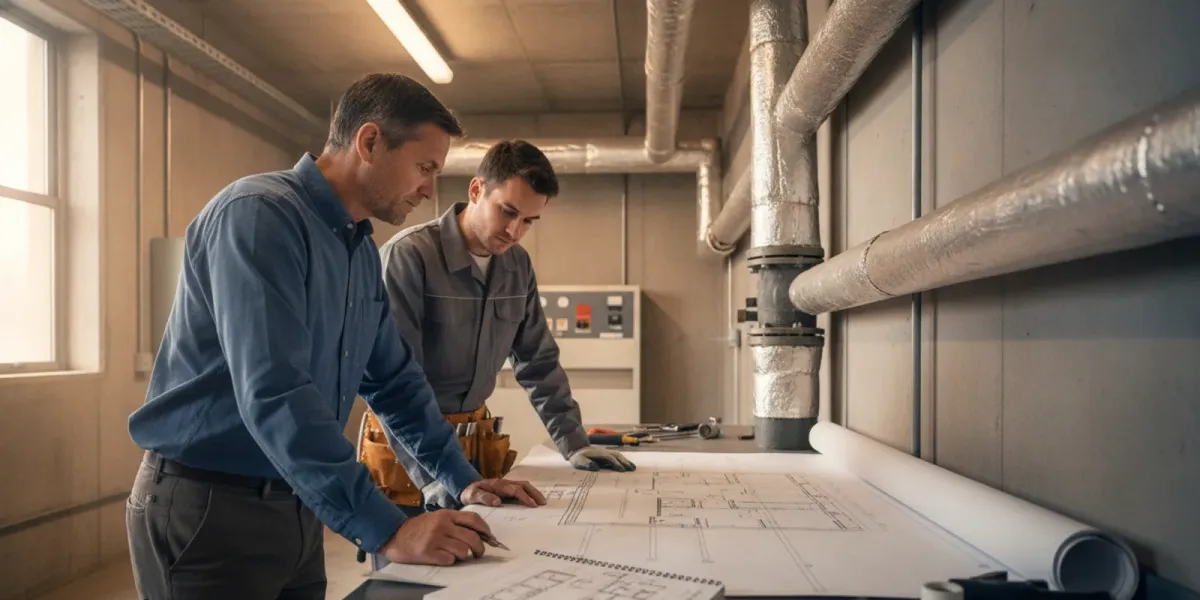
Collect records that may help locate piping and fixtures. Useful items include plumbing drawings, prior inspection notes, repair invoices, equipment manuals, and renovation records. Do not postpone an urgent call because a drawing is missing. If records are incomplete or outdated, say so plainly. An honest unknown is more useful than a confident guess.
Write down the location of major equipment and plumbing areas when known: water heaters, shutoff valves, restrooms, kitchens, floor drains, and cleanouts. Note labels, room names, or nearby landmarks. A photograph of a visible leak or equipment label may help explain the issue. Do not open panels, remove covers, or touch equipment to get a better picture.
For a multi-tenant property, say whether the symptom affects one suite, several floors, a shared area, or the whole building. If there are several entrances, addresses, or utility rooms, specify where the plumber should check in and how to reach the affected area. A map marked with “water under sink, Suite 204” beats a vague tour of the building.
How can you describe recurring symptoms clearly?
Use a simple timeline instead of relying on memory during the visit. Record the date and time, location, duration, and what was happening when a symptom appeared. For example, note whether a drain backs up after a busy service period, a leak shows up during heavy use, or hot water changes at particular fixtures.
Separate observations from theories. “Water collected under the sink after the lunch shift” is an observation. “The main sewer line is blocked” is a diagnosis you may not yet know. Let the plumber evaluate the evidence without being steered by an unverified conclusion.
For repeat issues, make a brief history of previous work. Include approximate dates, affected locations, symptoms, what was done if known, and whether the problem stopped or returned. This is not about assigning blame. It shows whether the same area has been affected before and what has already been tried.
Here is a practical log format:
- Date and time: when the symptom appeared.
- Location: room, suite, fixture, floor, or equipment label.
- What happened: visible water, slow drain, odor, loss of hot water, or another direct observation.
- Conditions: what the space was doing at the time, if relevant.
- Duration and recurrence: how long it lasted and whether it has happened before.
- Response: who was notified and any action taken under your site procedures.
If an active leak or backup creates a hazard, follow the building’s safety procedures, keep occupants clear of unsafe areas, and notify the appropriate contact. Do not handle electrical equipment in a wet area or attempt work beyond your role and training. Tell the plumber about immediate hazards when you call. OSHA provides workplace safety information at the Occupational Safety and Health Administration website; site-specific procedures and professional assessment still matter.
Which equipment and service areas need attention?
Inventory the areas connected to the concern rather than making a speculative list of every component in the building. Depending on the issue, that may include restrooms, kitchen or food-service areas, water heaters, floor drains, sewer cleanouts, visible supply lines, or pumps. Point out shared spaces and tenant areas that could also be affected.
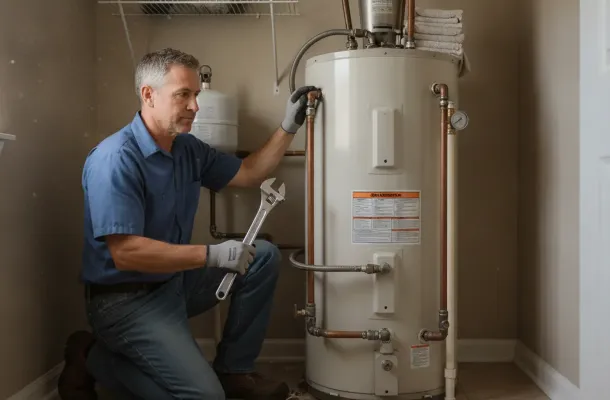
If a water heater is part of the concern, record its location and any visible make or model label. Note which fixtures are affected and whether the symptom is no hot water, inconsistent temperature, or another change. Tank and tankless heaters have different configurations; basic equipment details help frame the discussion. Leave operation, gas connections, and repairs to qualified professionals.
For drain or sewer symptoms, note exactly which fixtures are affected and whether more than one area has a problem. A single slow sink, recurring blockage, and water surfacing at a floor drain are different observations. Hardenburgh Plumbing offers drain cleaning and hydro jetting where suitable, plus sewer-camera inspection through a cleanout and sewer repair. Ask whether a camera assessment is appropriate; the right diagnostic approach depends on the observed condition and site access.
For a commercial kitchen, identify the affected sinks, floor drains, and grease-trap area. Hardenburgh Plumbing lists commercial grease-trap work among its services. Describe what staff have observed and ask what specific work is proposed. Do not assume the visit establishes a compliance result or a particular service interval.
How should you plan access around occupants and operations?
Access can determine whether the visit reaches the reported problem or only the nearest visible fixture. Share check-in procedures, locked rooms, loading areas, security rules, parking limits, escort requirements, and any protective equipment or sign-in process. Confirm who will meet the plumber and how to reach that person on the day.
List affected spaces and coordinate entry with tenants or department leads in advance where possible. Explain that the visit is to inspect a plumbing concern; do not promise every repair will be completed during that visit. If a room cannot be entered, record the restriction and ask how it could affect the inspection or next steps.
Consider business rhythms: customer service peaks, patient or student schedules, deliveries, food preparation, and shift changes. Share constraints when arranging the visit so the parties can discuss workable access. This is planning, not a guarantee of a particular time slot or after-hours arrangement.
If staff already know where a shutoff or cleanout is, make that information available. Do not operate a valve unless it is within your role and safe to do so. Decide who should notify occupants if an inspection or approved repair could interrupt water service or limit access to part of the property.
What questions should you ask about the inspection and proposal?
Ask what the visit is intended to examine and what it cannot settle. A visual review, equipment check, drain evaluation, and sewer-camera assessment are different activities. The plumber may need to see the site before recommending a method. Do not treat an inspection as a guarantee that every concealed pipe or future issue will be found.
Before approving work, ask for a plain explanation of the observed condition, proposed repair, and reasonable alternatives. Clarify which areas and components are included, what access is needed, and whether work may disrupt tenants or operations. If more investigation is recommended, ask what question it is meant to answer and what decision follows.
Ask for the cost of the specific proposed work before it begins, and make sure the person approving it understands the scope. Pricing depends on the job; no single inspection checklist or repair price fits every commercial property. If additional findings change the proposal, ask for the revised scope and cost before authorizing added work.
If the property may benefit from ongoing attention, ask what options are available and what each actually covers. Do not assume a fixed inspection cadence, maintenance agreement, response time, or included repair. Request written terms so your organization can review frequency, tasks, exclusions, and the approval process.
How can you prioritize concerns across a busy property?
When several issues arise together, group them by impact instead of treating each as equally urgent. Report active water loss, sewage, or loss of essential service promptly. Next list recurring problems that disrupt normal operations, followed by maintenance questions or items noticed during routine walkthroughs. This helps organize the conversation; it is not a substitute for a plumber’s risk assessment.
For each concern, capture four basics: location, observed symptom, timing, and who is affected. Add whether the issue is continuing or has stopped. Number multiple items and identify the one that most affects safe use or operations. This gives the person arranging the visit a starting point without attempting a diagnosis.
Consider dependencies. A repair in a tenant suite may require coordination with the building engineer. Work in a food-service area may require a manager to prepare the space. A cleanout or shutoff may need a key or escort. Identify those people before the visit, but do not assume the access arrangements determine what repair is needed.
Do not bundle every question into an expectation that one visit will resolve everything. Ask which concerns can be evaluated together and whether another area needs a separate assessment. Keep the agreed priorities in writing so the inspection and any follow-up proposal address the needs you actually raised.
How can you make the findings useful afterward?
Choose one person to collect the findings and share them with decision-makers. Keep notes focused: what was inspected, what was observed, what needs further evaluation, what work was proposed, and what remains undecided. If the plumber identifies an immediate concern, ask what action is recommended and who must authorize it.
Separate completed work from recommended work in your records. Attach the proposal, relevant photographs or equipment details, and the date. If a symptom returns, record its location and timing. These basics help the next person distinguish a new issue from a repeat concern and keep future discussions grounded in the property’s history.
For multiple buildings, use the same short intake format at each site. Consistent notes make it easier to compare issues without pretending every building has identical equipment or needs. A concise record of observations is more useful than a long list of assumptions.
When reviewing a provider’s proposed scope, explain the property’s needs and ask how the work addresses them. See the overview of commercial plumbing contractors for commercial service context. You can also send a question through the contact page.
Call Hardenburgh Plumbing to discuss your property’s needs
Frequently asked questions
Does planning an inspection mean all repairs will happen during that visit?
No. The visit helps clarify the observed issue and possible next steps. Whether work can be completed then depends on the findings, approved scope, access, and job-specific conditions. Ask what is included before authorizing work.
Should I wait for building plans before calling?
No. Report urgent symptoms promptly. Plans and service records may help, but missing records should not delay a call about an active leak, backup, or other immediate concern. Tell the plumber which documents are available.
What if the issue affects tenant or customer areas?
List affected spaces and coordinate access with the people responsible for them. Share security, privacy, and operating constraints when arranging the visit. Avoid promising occupants a repair time or interruption until the scope and arrangements are confirmed.
How should I prepare for an intermittent symptom?
Keep a short log with dates, times, locations, duration, and what was happening when the symptom appeared. Note previous work and whether the issue returned. Those observations help even if the problem is not happening during the visit.
A useful inspection plan is straightforward: describe what you observed, gather the records you have, arrange safe access, and make sure someone can review and approve the next step.