Water Heater Installation Palm Beach Gardens: Plan the Shutoff
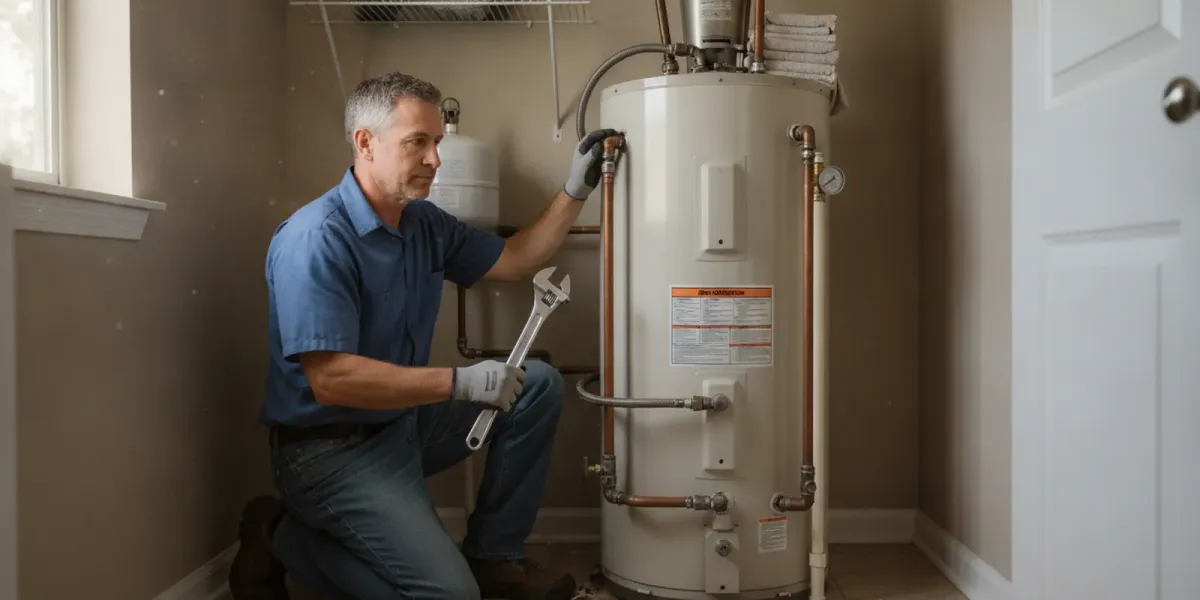
Planning a water heater installation in Palm Beach Gardens starts before the old unit is disconnected. A few details about access, shutoff valves, existing equipment, and hot-water use can help a plumber assess the job and explain the options. You do not need to diagnose the system yourself; note what you can see safely and share what you know.
Call Hardenburgh Plumbing to discuss the installation
What should you gather before requesting an installation?
Start with the basics. Write down whether the heater is a tank or tankless unit, its fuel source if known, and whether it currently works. For a tank, the label may show the make, model, and capacity. A photo of the label can be useful if it is easy to reach. Do not remove panels, climb on equipment, or reach into a cramped or wet area to take it.
- Note symptoms: a leak, unusual sound, inconsistent hot water, or a unit that has stopped heating.
- Describe how many people use hot water and whether showers, laundry, and kitchen tasks often overlap.
- Record where the heater is located, such as a garage, utility room, closet, or outdoor area.
- Share access limits, including stairs, narrow doors, stored items, gates, or building access procedures.
- For a rental or managed property, identify who can approve the proposed work.
These details help frame the conversation, but they do not establish the final equipment choice or scope. A plumber needs to assess the unit, connections, and installation conditions. If a label is unreadable or missing, simply say so rather than guessing at the model.
How can you prepare the work area?
Clear a practical path to the heater and move loose belongings away from the immediate work area. Leave enough room for a person to reach the equipment and for the existing unit to be assessed. If stored items are heavy, awkward, or close to piping or wiring, do not risk an injury trying to move them. Tell the plumber what remains in the way.
Keep children and pets away from the work area during the visit. Let the plumber know about gates, alarms, parking instructions, elevator rules, or a property manager who must provide access. In a condominium or commercial building, ask management whether advance notice or approval is required for work that could affect shared areas or water service.
Do not disconnect the heater or attempt to move it as preparation. A water heater can involve water, electricity, gas, propane, venting, and drainage connections. Leave shutoff and disconnection work to a qualified professional. If a valve is stuck or damaged, or you smell gas, avoid operating equipment and seek appropriate professional guidance.
What should you know about the water shutoff?
It is useful to know where the water supply shutoff is and whether it appears accessible. If you already know how to operate it safely, you can tell the plumber where it is. Do not force a valve that is corroded, leaking, or difficult to turn; a damaged valve can create another problem.
Ask which parts of the home may lose water during the work and how the interruption is expected to be managed. If family members work from home, tenants rely on the property, or visitors are expected, plan how to communicate a possible temporary interruption. Avoid promising a fixed restoration time before the scope and site conditions are confirmed.
For a business, identify fixtures or operations that depend on hot water and consider whether the work should be coordinated around a quieter period. This does not determine when a visit is available, but it helps the plumber understand the practical impact of the interruption and discuss the job-specific plan.
Which existing connections and conditions matter?
The heater itself is only one part of an installation assessment. The plumber may need to consider available space, the route for removing the old unit, water and fuel connections, venting where applicable, drainage, electrical supply, and the condition of nearby piping. A replacement in the same location may still require different work if the setup or selected equipment calls for it.
Point out visible signs such as water staining, corrosion, a damp floor, or a history of leaks. Mention repairs or alterations you know about. Do not cover a leak with stored items or assume a small amount of water is harmless. Describe what you observed, when it began, and whether it is still happening, then let the plumber evaluate it.
Tankless and tank-style systems can have different installation considerations. Share the current unit type and any preferences, but do not assume a different type is a direct swap. The proposed setup depends on the property, demand, available connections, and the installation conditions. Learn about water heater installation and repair options.
How should you describe your hot-water needs?
Describe how the household uses hot water rather than choosing a size by guesswork. Think through an ordinary busy morning: how many showers occur close together, whether laundry runs at the same time, and whether the kitchen uses hot water during those periods. Note whether the current unit runs short only at peak times or fails to provide enough hot water throughout the day.
For a business, explain the type of operation and when demand peaks. A small office with occasional fixture use has a different pattern from a food-service business with repeated hot-water needs. Share operating hours, the number and type of fixtures involved, and any periods when interruption would be especially disruptive. These are planning details, not a substitute for a site assessment.
Ask the plumber to explain how a proposed unit addresses the demand you described and what assumptions inform the recommendation. A larger unit is not automatically the right answer, and a model that works for one household may not fit another. Fuel availability, space, connections, and other site conditions also matter.
What questions should you ask about the proposal?
Before approving work, make sure you understand which equipment is proposed and what the job includes. Ask for a clear explanation of the scope and the price for your specific job. Upfront pricing means the work is explained and approved before it starts; it does not mean a universal price applies to every installation.
- What type of heater and fuel does the proposal specify, and why does it suit the property?
- Does the scope include removing the existing unit and addressing any connections or nearby piping?
- Are there visible site conditions that could change the work, and how will changes be explained before proceeding?
- What access or preparation should the property owner handle, and what should be left to the plumber?
- Will water service be interrupted, and what should occupants expect during that period?
- Are permits or inspections relevant to this particular project, and who will clarify the applicable requirements?
Compare proposals by scope, not just by the equipment name. One estimate may describe removal and connection work in more detail than another. Ask what is included, what is not included, and how the plumber will discuss any additional work discovered during assessment. This makes it easier to compare like with like without assuming the lowest initial figure describes the same job.
Energy use can be part of the equipment discussion, but it is only one consideration alongside installation fit and household demand. The U.S. Department of Energy provides general consumer information about water heating at Energy.gov. Use general guidance as background, then ask how the specific equipment and site conditions apply to your project.
How can you make the visit more useful?
A simple pre-visit note can keep important information from getting lost. Write down the heater location, what it is doing, when the issue started, and any water shutoff location you already know. Add access instructions and the name of the person who can approve work. If you are comparing installation options, list the questions that matter most: hot-water capacity, fuel type, location, work included, and any expected interruption.
Keep observations separate from conclusions. “The hot water runs out after two showers” is more useful than deciding the heater is too small before it has been assessed. “There is rust-colored staining near the base” reports what you see without declaring the tank has failed. This distinction helps the plumber understand the problem and decide what needs inspection.
It can also help to think through the route for the old unit to leave and the new one to reach the installation area. Are there interior doors, steps, tight turns, a gate, or a shared hallway? Do not measure or move heavy equipment yourself. Just flag anything that could affect access. In a managed building, check whether protective coverings, service-elevator reservations, or advance notice are required by building management.
What should you consider when choosing tank or tankless?
There is no single format that is automatically right for every property. A tank stores heated water, while a tankless unit heats water as it is called for; the practical choice still depends on the building, demand, fuel and connections, available space, and the proposed installation. Do not assume a tankless unit is a simple swap for a tank, or that keeping the same type means no other work is needed.
Instead, ask the plumber to explain the trade-offs for your use pattern. How many fixtures are likely to draw hot water at the same time? Is the existing location appropriate for the proposed equipment? What changes, if any, would be needed to connections or venting? What maintenance guidance does the manufacturer provide for that model? These questions help focus the conversation on fit rather than broad claims about one category being best.
If the household plans to change its use—such as adding occupants or regularly running multiple hot-water tasks at once—mention that before equipment is selected. If your needs are staying much the same, explain where the current heater falls short. The goal is to give the plumber a realistic picture, not to select capacity from a rough rule of thumb.
How can you plan around occupants and property operations?
For a household, tell everyone who may be affected that water service could be interrupted while the work is underway. If someone relies on hot water for a specific routine, plan around the possibility of a temporary change, but wait for job-specific guidance before setting a firm time. Keep essential items out of the work path and make sure the person greeting the plumber knows where the heater is.
For a business or rental property, identify who communicates with occupants and who can approve a change in scope. A manager may need to notify tenants, staff, or customers, while the person authorizing work may be someone else. Establishing that handoff before the assessment can prevent delays when a decision is needed. Avoid telling people that service will return at a precise hour until the work plan is confirmed.
Hardenburgh Plumbing handles tank and tankless water heater installation and repair. For other plumbing needs around a home or commercial property, see the plumbing services overview. The right route for this particular job still depends on the equipment, property, and conditions found during assessment.
Have an adult available to describe symptoms, point out the heater, and answer questions about access. If you cannot be present, arrange access with the person responsible for the property and give them the questions you want answered. For a rental or managed building, confirm who is authorized to approve the quoted work so there is no confusion about the next step.
If you have photos of the label, the surrounding area, or earlier repair paperwork, have them ready. Do not delay asking for help just because a document is missing. A short, accurate account is more useful than a confident guess about the cause. For example, “the tank has a damp patch on the floor and the label is hard to read” gives the plumber clear observations without trying to identify a failure.
For a planned project, make a short list of unresolved decisions: whether the current fuel type is staying the same, which household demand pattern matters most, and whether a building manager needs notice. The plumber can then address those points while reviewing the equipment and work area. If an unexpected condition changes the scope, ask for an explanation and approval before work proceeds.
Frequently asked questions
Should I turn off the water heater before the plumber arrives?
Do not operate unfamiliar or damaged controls just to prepare for a visit. If there is an active leak or another urgent concern, call for guidance. If you already used an accessible shutoff safely, explain what you did. Never force a valve or handle a gas or electrical issue beyond your competence.
Can I choose a replacement model before the assessment?
You can research preferences and share them, but suitability depends on the property, demand, existing connections, and installation conditions. Ask the plumber to explain which options fit the actual job rather than assuming a particular model will be a direct replacement.
What if the current heater is leaking?
Describe where the water appears, how much you see, and whether the leak is ongoing. Avoid touching electrical equipment or attempting repairs in a wet area. If water is spreading or the situation feels unsafe, call promptly and follow professional guidance.
Does every installation take the same amount of time?
No. Equipment, access, the condition of connections, and the work required can vary. Ask about the expected process for your job once the plumber has enough information to assess it. Do not assume a fixed schedule or same-day completion.
Contact Hardenburgh Plumbing to discuss your project
With equipment details, access information, and questions ready, you can have a more useful conversation about the next steps for your Palm Beach Gardens water heater installation.