Emergency Plumber in Loxahatchee: What to Do First
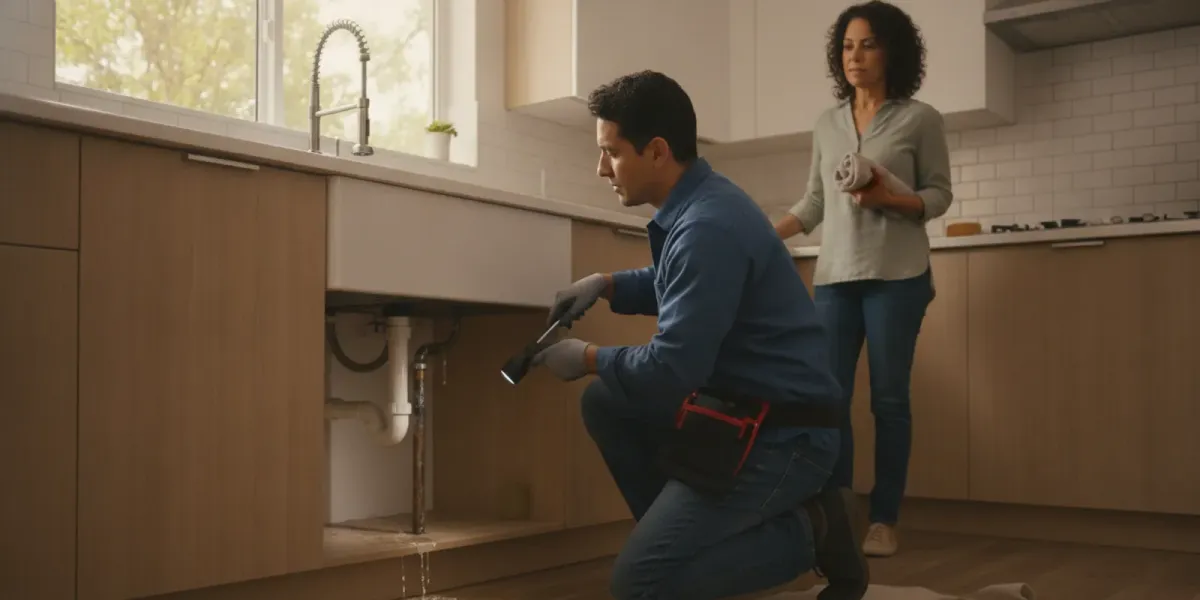
A burst pipe, sewage backup, or sudden leak can make a home feel unsafe fast. If you need an emergency plumber loxahatchee residents can call, start by protecting people, limiting water damage, and avoiding repairs that could create another hazard. The right first step depends on what is leaking and where it is coming from.
Hardenburgh Plumbing serves residential and commercial customers in Palm Beach County and South Florida. The company offers emergency plumbing, but emergency dispatch and scheduled appointments are not the same thing. Call to explain the problem and location, then ask whether dispatch is available for your situation. Do not assume a visit time or weekend availability until it is confirmed.
For a pipe-type and repipe-needs question rather than an active emergency, the company describes a free inspection to assess repiping needs. That offer is specific to pipe identification and repiping assessment; it is not a blanket promise of a free emergency diagnostic.
What should you do first during a plumbing emergency?
Take a moment to identify immediate dangers before reaching for tools. If water is near outlets, appliances, an electrical panel, or a ceiling light, do not step into standing water or touch electrical equipment. Keep people and pets away. If you can reach the main water shutoff without crossing a wet or hazardous area, closing it may limit further damage. If you cannot reach it safely, leave it alone and call for help.
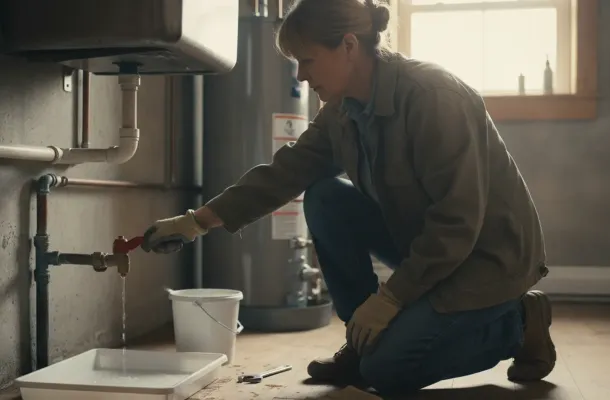
In many homes, the main shutoff is near where the water service enters the building, but its location and design vary. It may be in a garage, utility area, or outside near the service line. Do not force a stuck or damaged valve. A broken shutoff can make the leak worse. If you know the valve and can operate it safely, turn it gently to the closed position. If the water stops, leave the valve closed until the plumbing is checked.
Use towels or a bucket only for a small, controlled leak where the area is safe. Do not open ceilings, remove wall panels, or move heavy appliances to find a pipe. Water can travel away from its source, and a wet ceiling may sag or collapse. Photograph the damage from a safe place for your records, but do not delay calling when water is actively spreading.
Which problems call for urgent professional help?
A plumbing problem is urgent when water cannot be stopped, a drain or sewer is backing up into the building, a pipe has burst, or the leak threatens electrical equipment, structural materials, or valuable contents. A complete loss of water may also need prompt assessment, especially when there is an active leak or a business cannot operate safely.
Some symptoms can wait for a scheduled visit if the water is off, the area is safe, and the problem is not getting worse. A slow drip into a container, a single fixture that drains slowly while other drains work, or a faucet that needs repair may be less urgent than flooding or sewage. Still, the cause matters. A small visible drip can come from a larger concealed leak, so monitor it and ask for guidance if you are unsure.
| Problem | First safe action | When to request urgent help |
|---|---|---|
| Burst or actively leaking water pipe | Close the main shutoff if accessible without danger; keep clear of electrical hazards. | Call promptly if the leak continues, the shutoff fails, or water is spreading into walls, ceilings, or floors. |
| Sewer or drain backup | Stop using affected sinks, toilets, showers, and appliances; keep people and pets away from wastewater. | Request help when wastewater returns into a fixture, multiple drains are affected, or the backup is spreading. |
| Water heater leak | Avoid touching wet electrical components or hot water; keep clear of the heater if the area is unsafe. | Call when water is actively escaping, the tank or connections appear damaged, or you cannot safely isolate it. |
| Slow drip at one fixture | Place a container beneath it if safe and stop using the fixture if that reduces leaking. | A booked visit may be suitable when the drip is controlled and there is no spreading damage. |
How should you respond to a burst pipe or major leak?
For a leak that is actively flooding a room, shut off the water only if the valve is known, reachable, and safe to use. Do not search for a hidden valve through standing water or near exposed wiring. If the water is near electrical equipment, stay out of the area and contact the appropriate emergency service if there is an immediate danger. A plumber can address the plumbing, but electrical hazards require a safe approach first.
Once the water is off, move belongings only if you can do so without entering an unsafe area. Keep children and pets away from wet floors. Avoid using a wet vacuum or plugging in fans or other equipment where water may have reached outlets or cords. Do not puncture a bulging ceiling to drain it; the material may give way unexpectedly. Tell the responding professional where water is visible, when it began, whether the shutoff worked, and whether any rooms or floors are affected.
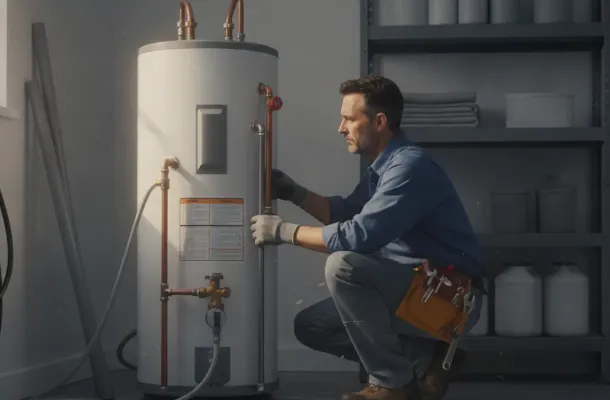
If you live in a home with a water heater or pump, do not start switching equipment on and off without knowing what controls it. If the leak seems to come from a heater, pump, or concealed pipe, give that detail on the call. The source may not be obvious from the water’s location. A technician may need to inspect the plumbing before recommending a repair. For heater-specific repair information, see the company’s water heater repair and installation page.
What if a toilet, drain, or sewer line backs up?
Stop running water into plumbing connected to the affected drain. That means avoiding repeated toilet flushes and pausing the dishwasher, washing machine, shower, and sinks if several fixtures are involved. More water can push a backup farther into the home. Keep people and pets away from wastewater, and do not try to clear a sewer backup with chemical drain cleaners.
A single slow sink may be a localized clog, while water coming up through a tub, floor drain, or more than one fixture can point to a wider drainage problem. These signs do not prove the exact cause. A plumber may use drain cleaning methods or a sewer camera inspection depending on what the inspection shows. Learn more about drain cleaning options; do not remove a cleanout cap or attempt to operate unfamiliar equipment, because pressure or wastewater may escape.
For a commercial property, stop using affected fixtures and notify the person responsible for building operations. In a restaurant or other food-service setting, follow the business’s sanitation procedures and keep contaminated areas out of use until they are addressed. Tell the plumber which fixtures are affected, whether the problem happens repeatedly, and whether water is coming up or simply draining slowly.
What should you do if you smell gas near plumbing equipment?
If you smell gas, hear a hissing sound, or suspect a gas leak, leave the building and move away. Do not operate lights, switches, appliances, phones inside the building, or anything else that could create a spark. Do not try to locate or repair the leak. Once you are safely away, contact the gas utility or emergency services using their appropriate emergency number. A plumbing call is not a substitute for responding to a possible gas emergency.
Do not re-enter until the appropriate emergency responders or utility provider say it is safe. If the concern is instead a plumbing leak near a gas water heater, do not touch wet components or try to relight equipment. Explain what you observed and let qualified professionals determine the safe next step.
How can you tell whether to request dispatch or book a visit?
Emergency dispatch is intended for situations that need prompt attention, such as an uncontrolled leak or an active backup creating damage or unsafe conditions. A booked visit is generally more appropriate when the issue is contained, the affected fixture can remain unused, and there is no immediate risk. A phone conversation helps clarify which path may fit, but only the service provider can confirm whether a dispatch is available.
Hardenburgh Plumbing describes emergency plumbing as a service. However, standard appointments and emergency calls are separate, and weekend access is not universally promised. Ask directly about current availability for your address and the type of problem. Do not rely on a general claim of around-the-clock emergency assistance as confirmation that a particular visit can be dispatched at a particular time.
When you call, share the specific facts rather than only saying “plumbing emergency.” This helps the person taking the call understand the urgency and what the technician may need to know:
- Your street or area in Loxahatchee and the best callback number.
- What is happening: active leak, no water, sewer backup, heater leak, or another issue.
- Whether water is still flowing and whether you could safely close the main shutoff.
- Which fixtures, rooms, floors, or parts of a commercial building are affected.
- Whether there is standing water near electrical equipment, a gas odor, or another immediate hazard.
- Whether you need emergency dispatch or can arrange a scheduled visit.
What should you expect when requesting plumbing help?
Describe what you can see, but do not guess at the cause. For example, say that water is appearing beneath a bathroom floor rather than declaring that a pipe beneath the slab has failed. A professional can assess the condition and explain what inspection or repair may be appropriate. If the cause is uncertain, the initial visit may focus on identifying the source before a repair plan is proposed. The company also describes water leak detection services for concealed leak concerns.
Ask what the next step will involve, whether the problem appears contained, and what work is being recommended. Before work starts, ask for an explanation of the proposed repair and its price for that job. Hardenburgh Plumbing’s stated approach is to explain the work and get approval before starting. A quote depends on the particular problem; there is no universal price that can be responsibly applied to every leak, backup, or pipe repair.
For concealed leaks, recurring drain issues, or water-heater problems, make a note of when the symptoms started and what makes them better or worse. Keep the affected area accessible if it is safe to do so. Do not remove fixtures, cut into drywall, or begin a repair just to prepare for the visit. Those actions can create additional damage or hide useful evidence about the source.
How can you reduce damage while waiting for guidance?
Keep the water off if closing the shutoff stopped the leak, and do not reopen it to test the system. Use a dry, safe route to keep people away from the affected area. If there is no electrical risk and the water is limited, move small belongings out of the way and place a container beneath a controlled drip. Avoid handling contaminated water, and do not use cleaning products or tools that could react with materials already in the drain.
Keep track of any change: whether water is still spreading, a new fixture is affected, or the backup has stopped. If conditions get worse, call back and update the person handling the request. Do not wait for a routine appointment if the situation becomes an uncontrolled leak, reaches an electrical hazard, or creates a serious sewage exposure concern.
What details matter in a Loxahatchee home or business?
The same symptom can have different implications depending on the building. In a single-family home, note whether water is affecting one room or more than one floor, and whether fixtures elsewhere still work. In a multi-tenant property, tell the property manager which units or shared areas are affected. Do not enter another unit or a locked mechanical space without permission. A building representative may need to coordinate access while the plumber assesses the issue.
For a commercial property, consider which operations must pause to keep people safe. A restaurant with a drain backup, for instance, should stop using affected fixtures and follow its sanitation procedures rather than directing staff to keep working around wastewater. An office or retail manager can identify restrooms, break rooms, and common areas affected, and can arrange safe access to the relevant plumbing. This information helps explain the scope of the problem; it does not replace an inspection.
Loxahatchee includes properties with different layouts and plumbing systems, so avoid assuming that a shutoff, water source, or access point is the same from one building to another. If you know where the main water shutoff is, tell the person on the call whether you closed it and what happened. If you do not know, say so. Never spend time searching in an unsafe area just to provide an answer.
When a problem affects a shared building or business, designate one person to speak with the service provider and relay updates. That person can share the address, access instructions, observed symptoms, and any changes while keeping others clear of the hazard. For a home, make sure the caller can be reached and can explain whether the leak is still active. Clear, factual information is more useful than a guessed diagnosis.
For general emergency preparedness, the U.S. government’s Ready.gov guidance recommends planning ahead for emergencies. Treat that broad advice as preparation, not plumbing diagnosis: learn where household shutoffs are before a leak occurs, and keep emergency contacts accessible.
Frequently asked questions
Does every leak require emergency dispatch?
No. A controlled drip with no spreading damage may be suitable for a scheduled visit. An active leak that cannot be stopped, threatens electrical equipment, or is damaging walls, ceilings, or floors calls for more urgent attention. Describe what is happening and ask about availability.
Should I shut off the water before calling?
Only if you can reach a known shutoff safely and operate it without entering standing water or touching electrical hazards. Do not force a stuck valve or take apart plumbing. If you cannot shut the water off safely, move away and explain the situation when you call.
Can I use drain cleaner for a sewer backup?
Avoid chemical drain cleaners when wastewater is backing up or several fixtures are affected. Stop using connected fixtures and keep people and pets away. A professional can assess whether drain cleaning, a camera inspection, or another step is appropriate.
Is emergency service guaranteed at any hour in Loxahatchee?
Do not assume a particular dispatch time or weekend visit is available. Emergency plumbing and booked visits are different service paths. Call to confirm current availability for your location and the problem you are facing.
What if I suspect a gas leak?
Leave the building without operating switches or appliances, move away, and contact the gas utility or emergency services from a safe location. Do not attempt to find or fix the source, and do not re-enter until responders say it is safe.
Call to discuss your plumbing problem
What is the safest next step?
Protect people first, shut off water only when it is safe, and avoid using plumbing that is backing up or leaking. For an uncontrolled leak, sewer backup, or other urgent issue in Loxahatchee, call Hardenburgh Plumbing at (561) 968-0000 to explain the problem and ask whether emergency dispatch is available. If the issue is contained, arrange a booked visit and keep monitoring the area for changes. For further guidance about plumbing services and how to reach the company, visit the plumbing service overview.