Plumber in Loxahatchee: Residential Plumbing Services
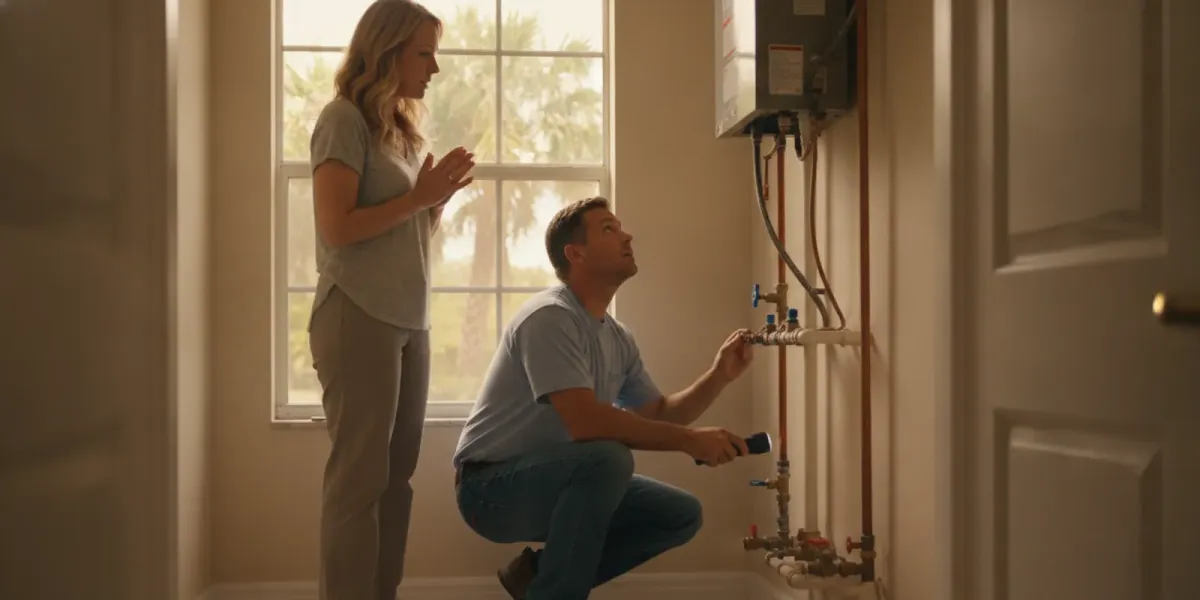
If you need a plumber in Loxahatchee, begin with what changed, which fixture or area is affected, and whether water is actively escaping. Hardenburgh Plumbing is a family-owned residential and commercial plumbing contractor serving Palm Beach County and South Florida since 1989, known as the Home of the Repipe Plumbers. The company offers a free inspection to identify pipe type and assess repiping needs; that offer is not a free whole-house diagnostic. A clear, property-specific assessment helps determine whether repair, maintenance, or a larger project should be discussed.
Call Hardenburgh Plumbing at (561) 968-0000
What plumbing problems can a Loxahatchee homeowner ask about?
A symptom can come from a fixture, supply pipe, drain, water heater, or pump. Describe what you have observed rather than trying to diagnose the cause. These details help the plumber understand what needs evaluation and whether the concern is urgent.
- Leaks or unexplained moisture: Say where water appears, when you first noticed it, and whether it continues when fixtures are off. The company offers leak detection and repair, including slab leak work. A wet spot alone does not confirm the source.
- Slow or blocked drains: Identify each affected sink, tub, or other drain and whether the problem returns after clearing. Drain cleaning methods include cleaning and hydro jetting where appropriate; the line and its condition matter when selecting a method.
- Hot-water changes: Note whether one fixture or the whole home is affected, whether the water is absent or inconsistent, and whether the heater is tank or tankless if known. Avoid opening equipment or attempting a repair you are not qualified to perform.
- Pipe concerns: Mention any known pipe material, such as polybutylene, and prior repairs. Material and condition should be assessed before deciding whether a repair or repipe makes sense.
- Pump symptoms: Describe changes in water supply, unusual pump behavior, and whether the symptom is constant or intermittent. Hardenburgh Plumbing offers pump installation and repair.
For active water escaping, keep people away from wet areas near electrical equipment. If you can safely reach the appropriate shutoff, stopping the water may limit further damage while you seek help. Do not enter standing water where electrical hazards may be present. If the source is unclear, avoid dismantling equipment or opening walls; report what you can see and let the assessment establish next steps.
How can you prepare before calling?
You do not need a plumbing diagnosis to make a useful call. A short, factual description is often more helpful than a guess about which pipe or component failed. Before calling or sending the contact form, gather the information that is safe and easy to obtain:
- Write down the property address, affected room or equipment, and when the symptom began.
- Check whether the issue affects one fixture or several. Do not repeatedly run a fixture that is overflowing, leaking, or draining poorly.
- Look for visible water, staining, sounds, or changes in hot-water supply. Do not remove panels or enter a hazardous area to investigate.
- Share relevant history, such as a previous repair, known pipe material, or recent plumbing work.
- Explain whether water is actively escaping, what safe steps you have taken, and whether access to the affected area is limited.
Photos may help explain a visible issue, but they cannot always show what is happening inside a wall, slab, drain, or heater. An on-site assessment may be needed to identify the source and discuss options. Do not delay urgent help to collect pictures. If you are arranging work for a property you manage, say who can provide access and who is authorized to approve a proposed scope.
What services may be relevant to the problem?
Hardenburgh Plumbing lists residential plumbing repair, installation, and maintenance, as well as emergency plumbing. Other offerings include drain cleaning and hydro jetting, sewer camera inspection and repair, tank and tankless water heaters, leak detection and slab leak repair, repiping including polybutylene replacement with PEX or copper, and pump installation and repair. Which service fits depends on the property and what an inspection finds. The company also lists commercial services, but this article focuses on homeowner concerns.
| Concern | Possible evaluation or service | Useful details to share |
|---|---|---|
| Visible leak or unexplained moisture | Leak detection and repair; slab leak assessment when relevant | Where water appears, whether it is active, and any safe shutoff made |
| Recurring or slow drain | Drain cleaning; hydro jetting may be considered after suitability is assessed | Which fixtures are affected, how often it returns, and any recent work |
| Drain or sewer concern | Sewer camera inspection and condition-dependent repair options | Which drains are involved and whether the issue is recurring |
| Hot-water problem | Tank or tankless water heater repair, maintenance, or replacement discussion | Heater type, symptoms, and whether one or all fixtures are affected |
| Pipe age or material concern | Pipe-type inspection and repiping-needs assessment | Known material, visible signs, and prior repairs |
| Water-supply or pump issue | Pump installation or repair evaluation | Changes in supply, pump behavior, and when symptoms occur |
This table is a starting point for explaining the concern, not a diagnosis or promise that a particular method will be used. For example, hydro jetting should follow an assessment of whether the pipe is suitable. Repeated drain trouble may merit a closer look at the line rather than another assumption that the same clearing method will solve it. Likewise, a water heater symptom might be isolated to one fixture or affect the whole home; noting that difference helps frame the assessment.
When should you ask about a pipe inspection or repiping?
Recurring leaks, repeated repairs, or known polybutylene piping can make a pipe assessment useful. None of those facts alone proves that every pipe must be replaced. The system’s condition, leak history, accessibility, and the homeowner’s circumstances all matter. A pipe’s material is one piece of information, not a complete diagnosis.
Hardenburgh Plumbing’s free pipe-type and repipe-needs inspection is intended to help establish what piping is present and whether repiping should be discussed. It should not be confused with a free inspection of every plumbing component in the home. If replacement is appropriate, ask which material options are suitable, what areas may need access, and what the proposed scope includes. PEX and copper are listed options, but the choice should be explained for the specific project.
It can help to ask whether the recommendation addresses all observed concerns or only a particular section, how access may affect the work, and what decisions remain open. If the inspection does not establish a need to repipe, ask what maintenance or repair options are relevant instead. For polybutylene piping, do not assume an insurer will take a particular position. Ask your insurer about your policy and how it treats the material at your property. A plumber can describe observed pipe condition and options, but coverage is determined by the insurer and policy.
How can you compare repair and replacement discussions?
Repair and replacement are different scopes, and neither should be selected solely from a general rule about pipe age or material. A repair discussion should identify the affected component or area and what the proposed work is meant to address. A repiping discussion should explain which piping is included, what material options are being considered, and what access may be necessary. Ask how the recommendation relates to the symptoms you reported.
For example, if one visible leak has occurred, ask what inspection supports the proposed repair and whether other pipe concerns were observed. If there have been several leaks or a known piping material raises questions, ask whether a broader pipe assessment is appropriate. In either case, request a clear explanation of the work before deciding. A quote is specific to the job; the available information does not establish a universal price for a Loxahatchee home.
Repiping can involve access to concealed pipes. Ask what surfaces may need to be opened and what the proposed scope says about related work, permits, or inspections. Do not assume patching or restoration is included unless it is stated in the job-specific proposal. If the project involves an association or property manager, clarify whether approvals or access arrangements are needed before work is scheduled.
What should you ask about an estimate?
Hardenburgh Plumbing’s FAQ says there is no charge to come out for estimates, and some estimates may be done by video. This is separate from a free whole-home plumbing diagnostic. The distinct free inspection described for the company concerns pipe type and repiping needs. When you contact the company, ask what type of assessment applies to your concern and what information is needed to provide an estimate.
Before work begins, ask for the proposed work and job-specific price to be explained, including what is and is not included. Upfront pricing means the technician explains the work and gets approval before starting. If a diagnosis changes after access or further inspection, ask what changed and approve any revised scope before proceeding. A clear estimate should let you understand the work being proposed; no single price applies to every home or plumbing problem.
Keep your questions practical: What issue is the work intended to address? Is the recommendation limited to one fixture or a broader system? What access is expected? What should you do if the symptom changes before the visit? These questions help keep the conversation tied to the actual condition rather than assumptions or a generic price range.
How should you confirm Loxahatchee dispatch?
Hardenburgh Plumbing markets 24/7 emergency plumbing, but dispatch depends on the issue and availability. Standard weekend appointment access is not the same as emergency dispatch. When you call, say whether the problem is active, describe any immediate risk, and ask what service is available for your address. Do not assume every service is dispatched to every town at every hour, and do not rely on a guaranteed arrival time or same-day completion.
For a non-emergency issue, ask about the next appropriate appointment option and what information would help the plumber prepare. If you can safely limit water use or keep the affected area clear while waiting, follow common-sense precautions; do not attempt work that could expose you to electrical or other hazards. Confirm access arrangements, including gates, pets, parking, or who will meet the technician, if relevant to the property.
How can you contact Hardenburgh Plumbing?
Call the public number, (561) 968-0000, or use the contact form to describe the issue. You can review the company’s plumbing services and read more about repiping and polybutylene pipe replacement. Florida’s DBPR license record identifies Ted G. Hardenburgh as an active Certified Plumbing Contractor associated with Hardenburgh Plumbing, Inc. These links provide background, not confirmation that a particular service is available at every address or time. Ask directly about your location and need.
Send a plumbing question through the contact form
Frequently asked questions
Does Hardenburgh Plumbing provide a free inspection in Loxahatchee?
The company describes a free inspection to identify pipe type and assess repiping needs. Its FAQ separately says there is no charge to come out for estimates, with some estimates possible by video. Ask what kind of assessment applies to your concern.
Can I get emergency plumbing help?
The company markets 24/7 emergency plumbing. Call to describe the problem and confirm dispatch options for your address; emergency availability does not establish a guaranteed arrival time or completion date.
Does every slow drain need hydro jetting?
No. Drain cleaning methods depend on the line and its condition. Hydro jetting is considered after the pipe is assessed for suitability, so ask what method is recommended and why.
Should I replace polybutylene pipes immediately?
Not based on the material name alone. Have pipe type and condition evaluated, discuss repair and replacement options, and ask your insurer about policy-specific coverage questions.
What should I have ready when I call?
Share the address, affected fixture or area, when the issue began, whether it is active, and any known pipe or equipment details. Mention access limits and whether someone can approve the work.
Careful observations, a property-specific assessment, and an explained scope can help you choose a sensible next step without guessing at the cause or committing to work before you understand the proposal.


